Trusted Dental Care in Seoul Since 1997 · SNU Dental Alumni · Multilingual Concierge


Dental Guide
How Digital Prosthetic Treatment Works
Learn how Digital Prosthetic Treatment works, from digital scans and planning to custom restorations, improved precision, and comfort. Explore the process today.
Schedule a ConsultationUnderstanding Tooth Loss and the Need for Prosthetic Solutions

Missing or damaged teeth affect more than appearance. They can interfere with chewing, speech, and jaw alignment, and over time may lead to bone loss in the surrounding area as the jawbone no longer receives the stimulation it needs from a healthy tooth root. Left unaddressed, even a single missing tooth can gradually shift the position of neighboring teeth, alter bite pressure distribution, and place additional strain on the jaw joint.
Traditional methods of replacing or restoring teeth — such as conventional crowns, bridges, and dentures — have served patients for decades, but they often rely on manual impressions and lab processes that introduce room for error and discomfort. Physical impression material can shrink, distort, or shift slightly during handling and transport to the laboratory, which sometimes results in restorations that require multiple adjustment visits before they fit comfortably.
Digital prosthetic treatment addresses these limitations by using computer-guided scanning and design technology to create restorations that fit more precisely and are produced more efficiently. For patients considering crowns, bridges, veneers, or full-mouth reconstruction, understanding how this technology works can help clarify what to expect from consultation through final placement — and why more clinics are shifting away from traditional impression trays altogether.
What Is Digital Prosthetic Treatment?
Digital prosthetic treatment refers to the use of intraoral 3D scanning and digital design software to plan and fabricate dental restorations, replacing the traditional physical impression process. Instead of biting into a tray of impression material, the dentist uses a small handheld scanner to capture a detailed digital model of the teeth and gums in real time.
This digital model becomes the basis for designing crowns, bridges, veneers, and other restorations with a level of detail and accuracy that supports a more predictable, comfortable fit. The scanning process typically captures thousands of data points across the tooth surface, bite relationship, and surrounding gum contour, giving the dental team a far more complete picture than a physical mold alone could offer.
At Dongdaemun Dental Clinic in Jongno-gu, Seoul, this process is carried out using the CEREC Primescan intraoral scanning system, paired with a dental laboratory partnership that has supported the clinic's prosthetic fabrication for more than 20 years. This combination of in-clinic digital scanning and an established laboratory relationship allows the digital design to be translated into a finished restoration with fewer discrepancies between the plan and the final product.
How Digital Scanning Differs from Traditional Impressions
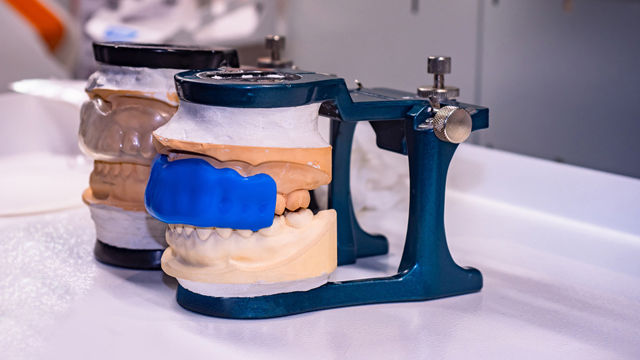
Patients who have experienced traditional dental impressions often remember the sensation of a tray filled with putty-like material held in the mouth for several minutes. Beyond the discomfort, this method depends heavily on the material's handling — how quickly it sets, how it is transported, and how it is poured into a plaster model at the laboratory. Each of these steps introduces a small chance of distortion.
Digital scanning removes several of these variables. Because the scan is captured and reviewed on a monitor immediately, the dentist can verify that all necessary areas have been recorded clearly before moving forward, and can rescan a specific area in seconds if needed — something not possible with a set impression material. This immediate feedback loop is one of the main reasons digital workflows have become a standard reference point in modern restorative dentistry.
Who Is a Candidate for Digital Prosthetic Treatment?
Digital prosthetic treatment is suitable for a wide range of patients, including those who need:
Single or multiple crowns following decay, fracture, or root canal treatment
Fixed bridges to replace one or more missing teeth
Full-mouth reconstruction after extensive tooth loss or wear
Prosthetic restorations placed on top of dental implants
Replacement or upgrade of older, ill-fitting restorations
Aesthetic improvements such as veneers for uneven or discolored teeth
Patients who have difficulty tolerating traditional impression materials — due to a strong gag reflex or general discomfort — are often good candidates for digital scanning, since it eliminates the need for trays and impression putty. This can be particularly relevant for patients who have avoided dental visits in the past specifically because of discomfort with impression procedures.
A thorough oral examination, including a review of gum health, bite alignment, and any underlying bone loss, is used to determine whether digital prosthetic treatment is appropriate for an individual case, or whether preparatory treatment such as gum therapy or bone grafting should be addressed first. In cases involving active gum disease or insufficient bone support, treating these underlying issues before prosthetic work is typically necessary to support a stable, long-lasting result.
The Digital Prosthetic Treatment Process
Step 1: Diagnostic Scanning
The process begins with an intraoral scan using the CEREC Primescan. The scanner captures a highly detailed 3D image of the teeth, gums, and bite relationship within minutes, without the discomfort associated with conventional impression trays. This scan also serves as useful baseline documentation that can be referenced in future visits to track changes over time.
Step 2: Digital Treatment Planning
Using the scanned data, the dentist evaluates the condition of the teeth and surrounding structures and designs the restoration digitally. This step allows for precise measurement of tooth preparation, contact points with neighboring teeth, and bite alignment before any physical fabrication begins. Because the design can be viewed and adjusted on-screen, the dentist and patient can review the proposed shape and fit together, which supports clearer communication about what the finished restoration will look like.
Step 3: Restoration Design and Fabrication
The digital design is transmitted to the dental laboratory, which uses the data to fabricate the prosthetic restoration. Because the design is based on an exact digital model rather than a physical impression that may distort slightly during handling, the resulting restoration is generally more consistent in fit. Depending on the material selected — such as ceramic, zirconia, or a metal-ceramic combination — fabrication timelines can vary, and the dentist will discuss which material best suits the patient's bite strength, aesthetic goals, and the location of the restoration in the mouth.
Step 4: Fitting and Adjustment
Once fabricated, the restoration is tried in the mouth. The dentist checks the fit, bite contact, and appearance, making adjustments as needed before final placement or cementation. Even with the improved accuracy of digital design, this clinical check remains an essential step, since factors such as gum tissue response and natural bite movement can only be confirmed with the restoration in place.
Step 5: Follow-Up Care
After placement, follow-up visits allow the dentist to confirm that the restoration is functioning well and that the surrounding gum tissue is healthy. Patients are advised on maintenance care to support the longevity of the restoration, including guidance on cleaning around crowns and bridges and recommendations for routine checkups to monitor the restoration over time.
Doctor's Expertise
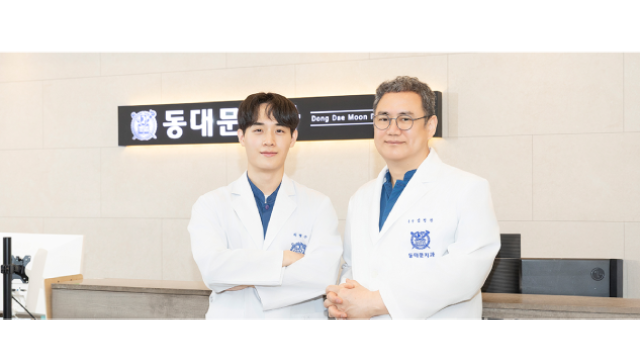
Digital prosthetic treatment at Dongdaemun Dental Clinic is provided under the guidance of the clinic's dental team, including Dr. Kim Jeong-chan and Dr. Huh Byeong-soo.
Dr. Kim Jeong-chan, Representative Director of the clinic, is a graduate of Seoul National University's College of Dentistry and completed residency training in periodontics at the Seoul National University Graduate School. He has served as a clinical professor in the Department of Periodontics at Seoul National University Dental Hospital, and his clinical focus has centered on complex implant cases, including implant repair and re-surgery — experience that also informs the clinic's approach to prosthetic planning in cases involving prior implant or restorative work.
Dr. Huh Byeong-soo, Director, is a graduate of Seoul National University's Graduate School of Dentistry with a Master's degree in Dentistry. He trained at the Comprehensive Care Clinic of Seoul National University Dental Hospital and completed an externship at Osaka University's Dental School, along with advanced coursework in implant systems. This combined academic and clinical background supports a treatment planning process that considers both the restorative and structural aspects of each case.
Why Patients Choose Dongdaemun Dental Clinic
Located on the 6th floor of the New Building at Dongdaemun Comprehensive Market in Jongno-gu, Seoul, Dongdaemun Dental Clinic has operated from the same location since 1997. Nearly three decades of continuous service in the same community has allowed the clinic to build long-term relationships with patients, and more than 75% of patients arrive through personal referrals, reflecting a long-standing pattern of returning and repeat care within the local community.
The clinic combines its digital scanning technology with a dental laboratory relationship of more than two decades, supporting consistency in how digital designs are translated into finished restorations. This long-term laboratory partnership means the technicians fabricating each restoration are familiar with the clinic's standards and preferences, which can help reduce back-and-forth adjustments between the clinic and the lab.
For international patients, the clinic offers translation support in English, Japanese, and Chinese, helping ensure that treatment explanations and consultations are clearly understood regardless of a patient's native language. This is particularly relevant for prosthetic treatment, where understanding material options, timelines, and aftercare instructions is an important part of achieving a satisfactory outcome.
Recovery, Safety, and Realistic Outcomes
Recovery after digital prosthetic treatment varies depending on the type and extent of restoration involved. Simple crown or bridge placement typically involves a brief adjustment period as the patient's bite adapts to the new restoration, while more extensive full-mouth reconstruction may require a longer adjustment timeline and staged follow-up visits to fine-tune bite alignment across multiple teeth.
Because digital scanning removes several sources of physical distortion present in traditional impression-taking, the fit of the final restoration tends to require fewer adjustments at the seating appointment. However, outcomes still depend on individual factors such as oral hygiene, bite habits (including teeth grinding or clenching), and the health of the supporting gum and bone tissue. Patients with a history of grinding, for example, may be advised to use a protective night guard to extend the lifespan of a new restoration.
As with any dental restoration, long-term success depends on regular checkups and proper home care, including consistent brushing, flossing or interdental cleaning around bridges, and routine professional cleanings to monitor gum health around the restoration margins.
Final Thoughts
Digital prosthetic treatment offers a more precise and comfortable alternative to traditional impression-based methods, using 3D scanning technology to guide the design and fabrication of crowns, bridges, and other restorations. At Dongdaemun Dental Clinic in Seoul, this approach is supported by an experienced dental team and a long-term laboratory partnership, offering patients a structured, technology-supported path toward restoring both function and a natural smile.
Patients considering crowns, bridges, or full-mouth reconstruction are encouraged to schedule a consultation to determine whether digital prosthetic treatment is the right fit for their individual dental needs.
More Articles
Continue reading our clinical guides and recovery resources.
Why Bone Graft Implants Matter for Long-Term Dental Health
Learn why Bone Graft Implants support long-term dental health by strengthening the jaw, improving implant stability, and preserving your smile. Learn more.
Learn More

Recovery After Full-Mouth Reconstruction with Implants
Learn what to expect during recovery after Full-Mouth Reconstruction with Implants, including healing, aftercare, diet, and key milestones. Prepare with confidence.
Learn More
How Digital Prosthetic Treatment Works
Learn how Digital Prosthetic Treatment works, from digital scans and planning to custom restorations, improved precision, and comfort. Explore the process today.
Learn More