Trusted Dental Care in Seoul Since 1997 · SNU Dental Alumni · Multilingual Concierge

Dental Guide
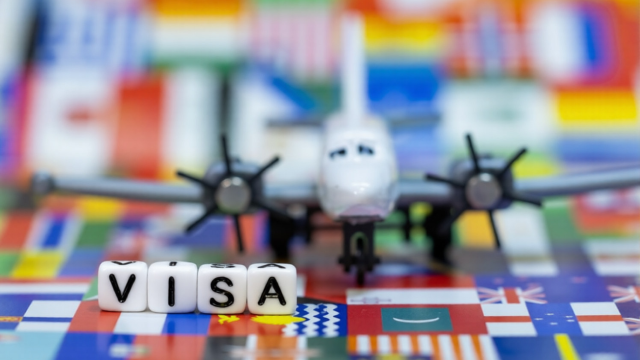
K-ETA & Visa Rules for US Dental Patients in Korea
US passport holders need no K-ETA for Korea through December 31, 2026. Understand entry rules, visa-free short stays, and the documents for a dental trip.
Schedule a ConsultationK-ETA and Visa Rules for US Patients Traveling to Korea for Dental Treatment
Medically reviewed by Dr. Kim Jeong-chan, Dentist, Representative Director, Dongdaemun Dental Clinic
If you are a US resident planning to fly to Seoul for implants, crowns, or a smile makeover, one of the first practical questions is deceptively simple: what paperwork do you actually need to get into the country? The good news is that entry for short dental trips is usually straightforward for US passport holders. The important news is that Korea's rules have changed recently, and they are scheduled to change again, so what a friend told you two years ago may no longer apply.
This guide explains how the Korea Electronic Travel Authorization (K-ETA) currently works for Americans, when a short stay is enough versus when a dedicated medical visa may make sense, and which official sources to check before you book. Because immigration rules are set by the Korean government and can be updated with little notice, treat everything here as general orientation, not legal advice. Always confirm your own situation with an official Korean source or a Korean diplomatic mission close to your travel date.
What Is K-ETA and Why Does It Matter?
K-ETA stands for Korea Electronic Travel Authorization. It is an online pre-screening system for travelers from countries that are eligible to enter Korea without a visa for short stays. In normal operation, an eligible traveler completes an online application, pays a small processing fee, and receives an electronic authorization linked to their passport before boarding a flight to Korea. It is conceptually similar to the United States' ESTA system that many international visitors to the US already know.
K-ETA is not a visa. It is a travel authorization that runs alongside visa-free entry. When it is required, airlines check for it before allowing you to board, and immigration officers may reference it on arrival. When it is not required, you simply present your passport and complete the normal arrival process.
For someone traveling specifically for dental care, the practical point is this: K-ETA or its absence affects only your permission to enter Korea. It says nothing about your treatment plan, your appointments, or your suitability for a procedure. Those are separate questions you settle directly with your dental clinic.
The Current Rule for US Passport Holders
Here is the fact that matters most for American travelers right now. US passport holders are exempt from K-ETA through December 31, 2026, under a temporary exemption tied to Korea's tourism promotion efforts. K-ETA is scheduled to resume for these travelers beginning January 1, 2027.
In plain terms, if you hold a US passport and travel during the exemption window, you generally do not need to apply for K-ETA in advance for a short-stay entry. If your trip falls on or after January 1, 2027, you should plan to apply for K-ETA before you fly, unless the Korean government announces a further extension or change. Because these dates are policy decisions that can be adjusted, verify the current status yourself before every trip rather than relying on the last time you traveled.
There is one useful nuance even for exempt travelers. You may still choose to apply for K-ETA voluntarily. Travelers who hold a valid K-ETA can skip the paper arrival card on entry, using the electronic arrival record (the e-Arrival Card system) instead. If you would rather not fill out a paper card in line at the airport after a long flight, opting into K-ETA voluntarily is a reasonable convenience choice, but it is not a requirement during the exemption period.
Visa-Free Short Stay Versus a Medical Visa
The second question is about the type of entry, not the K-ETA screening. For most dental trips, US travelers use ordinary visa-free short-stay entry, which is the same category tourists use. This generally covers the length of stay a typical dental visit needs, including cleanings, examinations, crowns, aligner starts, and many implant surgery or restoration appointments that fit within a short window.
Short-stay entry has a maximum permitted duration set by Korean immigration policy, and it is intended for temporary visits. If your treatment plan is longer or more complex, the picture can change. Some dental treatments, particularly full implant journeys, are staged over months because the titanium fixture typically needs time to integrate with the bone before the final crown is placed. Many patients handle this with two shorter trips rather than one long stay. But if you intend to remain in Korea for an extended, continuous period of treatment, a dedicated short-term medical visa may be the better fit.
Korea offers a short-term general visa category often referenced as C-3, and within it a medical-treatment purpose sometimes described as C-3-3, for people entering specifically to receive medical care. Whether you need it depends on how long you will stay, the nature of your treatment, and current immigration rules. This is exactly the kind of decision to confirm with a Korean diplomatic mission (embassy or consulate) or the official immigration service before you travel, because they assess your individual circumstances. Do not assume you need a medical visa for a routine short dental trip, and do not assume short-stay entry will cover an extended multi-month treatment plan.
How This Fits a Real Dental Trip to Seoul
When you contact a clinic about treatment, the sequence of your medical planning and your travel planning should run in parallel. Your dentist can tell you roughly how many appointments a plan requires and how they might be spaced, which in turn tells you how long you need to be in Korea and whether one trip or two makes more sense. That length-of-stay estimate is what determines whether standard short-stay entry is sufficient or whether a medical visa conversation is warranted.
Dongdaemun Dental Clinic is a Registered Medical Institution for Attracting Foreign Patients under Korea's Ministry of Health and Welfare, and it provides international patient support in English, Japanese, and Chinese, including an online consultation board. That means you can begin discussing your treatment goals, share records, and get a general sense of your treatment timeline before you finalize flights and entry paperwork. You can reach the team through the Dongdaemun Dental Clinic website or its contact page to start that conversation. The clinic can describe your likely appointment schedule; it cannot, however, issue visas or guarantee immigration outcomes, which are decided solely by Korean authorities.
The clinic is located near Dongdaemun Station on Seoul Metro Lines 1 and 4, at Exit 9, which makes it accessible by public transit from the airport rail and subway network once you have cleared immigration. Knowing your entry path in advance means the travel day itself becomes the simple part.
Documents to Have Ready Before You Fly
Regardless of whether K-ETA applies to your trip, a few basics apply to almost every international traveler. Carry a passport that is valid well beyond your planned return date; many travelers aim for at least six months of validity to avoid complications, though requirements vary. Have proof of onward or return travel and accommodation details available, as immigration officers may ask about the purpose and length of your visit.
If you are traveling for treatment, it is sensible to keep basic documentation of your appointment plans accessible, such as correspondence with the clinic. This is not a formal requirement for ordinary short-stay entry, but it helps you answer routine questions about the purpose of your trip clearly and honestly. If you are pursuing a medical visa, the Korean mission handling your application will tell you exactly which supporting documents they require; follow their list rather than a generic checklist.
Finally, separate your medical documents from your entry documents in your own mind. Nothing about K-ETA, visa-free entry, or a medical visa substitutes for the clinical steps of care: an examination, imaging, a diagnosis, and a treatment plan that a dentist confirms in person. Entry paperwork gets you into the country; your candidacy for any specific procedure is always determined by an in-person evaluation.
Verify Before You Travel
Immigration policy changes. The K-ETA exemption for US passport holders is currently set to run through December 31, 2026, with K-ETA scheduled to resume January 1, 2027, but governments extend, shorten, or modify such measures. The most reliable approach is to check an official Korean source close to your departure: the K-ETA program information, the Korea Immigration Service via the HiKorea portal, and Korea's Ministry of Foreign Affairs. For US-specific guidance, the US Department of State's country information page for South Korea is a helpful cross-reference. Confirming across these sources a few weeks before you fly, and again shortly before departure, protects you from acting on outdated information.
Frequently Asked Questions
Do US citizens need K-ETA to visit Korea for dental treatment?
US passport holders are exempt from K-ETA through December 31, 2026, so during that window you generally do not need it for a short-stay visit. K-ETA is scheduled to resume for these travelers on January 1, 2027. Because dates can change, verify the current status with an official Korean source before you book.
Is K-ETA the same thing as a visa?
No. K-ETA is an electronic travel authorization that works alongside visa-free entry for eligible nationalities, not a visa itself. A visa is a separate document issued by a Korean diplomatic mission for specific purposes and durations. For most short dental trips, US travelers use visa-free short-stay entry rather than a visa.
Can I enter visa-free for a dental trip, or do I need a medical visa?
Most short dental visits fall under ordinary visa-free short-stay entry, the same category tourists use. If your treatment requires an extended, continuous stay, a short-term medical visa such as C-3-3 may be appropriate. Confirm which applies to your situation with a Korean embassy or consulate before you travel.
What is the e-Arrival Card, and do I have to use it?
The e-Arrival Card is an electronic arrival record that lets eligible travelers skip the paper arrival card on entry. Even during the K-ETA exemption, US travelers may voluntarily apply for K-ETA to use this convenience. It is optional, not a requirement, during the exemption period.
How long can I stay in Korea on visa-free short-stay entry?
Visa-free short-stay entry has a maximum permitted duration set by Korean immigration policy and is intended for temporary visits. It typically covers a standard dental trip. For treatment that spans several months, many patients plan two shorter trips or ask a Korean mission whether a medical visa fits their plan.
Should I check anything again right before I fly?
Yes. Immigration rules can change with little notice, so confirm the current K-ETA and entry requirements a few weeks before departure and again shortly before you fly. Reliable sources include Korea's official K-ETA and immigration portals, the Ministry of Foreign Affairs, and the US Department of State country page for South Korea.
The Bottom Line
- US passport holders are exempt from K-ETA through December 31, 2026, with K-ETA scheduled to resume on January 1, 2027; verify the current status before every trip.
- Most short dental visits use ordinary visa-free short-stay entry; longer, continuous treatment stays may warrant a short-term medical visa such as C-3-3, confirmed with a Korean mission.
- Exempt travelers may still opt into K-ETA voluntarily to use the e-Arrival Card and skip the paper arrival card.
- Plan your treatment timeline with the clinic first, because how long you stay determines which entry path fits; Dongdaemun Dental Clinic offers English, Japanese, and Chinese support to help you scope that timeline.
- Entry paperwork only gets you into Korea; your suitability for any dental procedure is decided by an in-person examination, and immigration outcomes are decided solely by Korean authorities.
Disclaimer
This article is for general educational purposes and is not legal, immigration, or medical advice. It is not a self-diagnosis tool and does not replace an in-person dental examination or an official immigration determination. Entry and visa rules are set by the Korean government and can change at any time; the dates and categories described here reflect policy at the time of writing and must be verified with official Korean sources before you travel. No dental outcome is guaranteed, and candidacy for any treatment is determined only by a qualified dentist after an in-person evaluation.
More Articles
Continue reading our clinical guides and recovery resources.
Why Bone Graft Implants Matter for Long-Term Dental Health
Learn why Bone Graft Implants support long-term dental health by strengthening the jaw, improving implant stability, and preserving your smile. Learn more.
Learn More

Recovery After Full-Mouth Reconstruction with Implants
Learn what to expect during recovery after Full-Mouth Reconstruction with Implants, including healing, aftercare, diet, and key milestones. Prepare with confidence.
Learn More

How Digital Prosthetic Treatment Works
Learn how Digital Prosthetic Treatment works, from digital scans and planning to custom restorations, improved precision, and comfort. Explore the process today.
Learn More