Trusted Dental Care in Seoul Since 1997 · SNU Dental Alumni · Multilingual Concierge

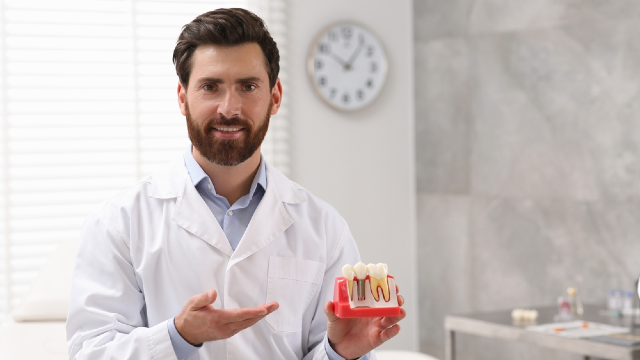
Dental Guide
What SNU-Trained Korean Dentists Mean for US Patients
Understand what Seoul National University dental training and Korean licensing mean, how they compare to the US system, and how to verify a Korean dentist.
Schedule a ConsultationWhat SNU-Trained Korean Dentists Mean for US Patients
Medically reviewed by Dr. Kim Jeong-chan, Dentist, Representative Director, Dongdaemun Dental Clinic
If you are a U.S. patient considering dental care in Korea, one of the first credentials you are likely to encounter is "trained at Seoul National University." It sounds impressive, and it is a real, documented qualification. But what does it actually mean, how does Korean dental training compare to the system you know at home, and how can you verify a dentist's credentials from the other side of the world? This article walks through those questions in plain language so you can evaluate a Korean dentist with confidence and realistic expectations.
What Seoul National University Training Means
Seoul National University (SNU) is widely regarded as one of Korea's most prominent universities, and its College of Dentistry and associated graduate programs and dental hospital are well known within Korean dentistry. When a dentist is described as SNU-trained, it generally signals that they completed their dental education, and often additional graduate or clinical training, at this institution.
At Dongdaemun Dental Clinic, both documented dentists have SNU backgrounds. Dr. Kim Jeong-chan graduated from the SNU College of Dentistry, trained in periodontics at the SNU Graduate School, and has served as a Clinical Assistant Professor of Periodontics at Seoul National University Dental Hospital. Dr. Huh Byeong-soo holds a Master of Science in Dentistry from the SNU Graduate School and trained in the general-practice department of the SNU Dental College. These are the credentials the clinic documents, and they are the kind of factual, checkable statements that should anchor any conversation about a dentist's background.
It is worth being clear about what a strong university pedigree does and does not tell you. It reflects the quality and rigor of a clinician's education. It does not, by itself, guarantee any particular treatment outcome for you, because outcomes depend on your individual condition, the specific procedure, and your own healing and maintenance. Think of a credential as one solid input into your decision, not as a promise.
How Dental Training Works in Korea
To practice dentistry in Korea, a dentist must complete an accredited dental education program and pass the country's national dental licensing examination administered under the national health authorities. The result is a licensed dentist, which is the core, baseline credential that allows someone to diagnose and treat patients. This is the status that both dentists at Dongdaemun Dental Clinic hold, and it is the single most important thing to confirm about any dentist you are considering: that they are properly licensed to practice.
Beyond the basic license, some Korean dentists pursue further graduate study (such as a master's or doctoral degree), hospital-based clinical training, or academic and teaching roles. In Korea, as in many countries, there is also a formal specialty system with its own recognized specialist designations in certain fields. A dentist may have deep training and experience in an area, such as periodontics or implant care, without necessarily holding a formal specialist board title. Because of this, precise language matters. A responsible clinic will describe a clinician by what is actually documented, for example "a licensed dentist with periodontics training," rather than reaching for a title that has not been formally conferred.
Korea Versus the United States: A Fair Comparison
Patients from the United States naturally want to map foreign credentials onto the system they understand. Here it helps to be careful and honest.
In the U.S., dentists complete dental school, earn a DDS or DMD degree, and obtain a state license to practice. Recognized specialties, such as periodontics or oral surgery, involve additional accredited residency training, and specialty boards exist within the American system. These are American structures governed by American organizations.
Korea has its own parallel system: accredited dental schools, a national licensing examination, graduate and clinical training, and its own recognized specialties. The two systems are broadly comparable in that both require rigorous education and national licensure before a dentist can practice, but they are separate systems with separate credentials and separate governing bodies.
This leads to an important point about honesty in credentials. A Korean dentist is credentialed within the Korean system. It would be inaccurate and misleading for any Korean clinic to claim U.S. board certification or American Dental Association board status for a Korean-trained dentist, and Dongdaemun Dental Clinic makes no such claim. A trustworthy clinic states its clinicians' actual, documented Korean credentials plainly and does not borrow the language of another country's system to seem more familiar. When you read a clinic's descriptions, that kind of restraint is a positive sign, not a shortfall.
Why Credential Precision Signals Trustworthiness
One of the most useful things you can do when evaluating a dentist abroad is to notice how carefully they describe themselves. Overstatement is a warning sign; precise, modest, verifiable language is reassuring.
At Dongdaemun Dental Clinic, this shows up in the way the team is presented. Dr. Kim is described as a licensed dentist with periodontics training and an academic teaching background, and as an implant dentist, rather than being given a specialist board title that is not documented. Dr. Huh is described as a licensed dentist with a master's degree and implant training, without any specialty claim the records do not support. International continuing education, such as a Japanese university externship in Dr. Huh's background, is presented as exactly that, a modest piece of training, rather than being inflated into a headline. This kind of discipline is precisely what you want to see, because it tells you the clinic is willing to be accurate even when a bigger-sounding claim might be more persuasive.
How a US Patient Can Verify a Korean Dentist
You do not have to take any clinic's word at face value. There are practical steps you can take to verify and reassure yourself before committing to treatment abroad:
- Confirm licensure first. The foundational question is whether the dentist is a licensed dentist in Korea. Ask directly, and ask the clinic to state each clinician's license status and where they trained.
- Ask for specifics, then check them. Request the exact names of degrees, universities, and training programs. Named, specific credentials (for example, "SNU College of Dentistry" or "Master of Science in Dentistry from the SNU Graduate School") are easier to research than vague phrases like "internationally trained."
- Match the claim to the treatment. If you need implant care, ask about the clinician's implant training and experience specifically. General reputation is not the same as relevant, documented experience for your procedure.
- Watch the language. Be cautious of any clinic that claims U.S. or ADA board certification for a Korea-trained dentist, or that uses guarantees such as "permanent," "pain-free," or "lasts forever." Accurate clinics avoid this language.
- Use the clinic's own channels. Reputable Korean clinics that serve international patients typically have staff who can answer credential questions in English. You can reach out through Dongdaemun Dental Clinic and its contact page to ask about credentials, share your records, and understand what care would involve.
- Look for institutional registration. Dongdaemun Dental Clinic is a registered medical institution for attracting foreign patients under Korea's Ministry of Health and Welfare. Registration of this kind is a factual, checkable status that indicates the clinic is set up to treat international patients within the country's framework.
Putting Credentials in Context
A credential is a starting point, not the whole picture. Even the strongest training does not remove the normal uncertainties of dental treatment. Implants, for example, involve healing over months, ongoing maintenance, and real if uncommon risks such as peri-implantitis and implant failure; outcomes vary from person to person and can only be estimated after an in-person examination and imaging. The value of good training is that it improves the quality of planning, diagnosis, and technique, all of which give you a better foundation, not a guarantee.
So use credentials the way a careful person would use any single data point. Confirm the license. Read the documented education. Check that the experience matches your treatment. Notice whether the clinic speaks about itself accurately. Then make your decision with a consultation, where a dentist can examine you, review your imaging, and give you individualized information rather than a generic promise.
Visiting Dongdaemun Dental Clinic
For patients who decide to explore care in Seoul, Dongdaemun Dental Clinic is located on the 6th floor of the New Building Annex at the Dongdaemun General Market, 272 Jongno, Jongno-gu, Seoul. The nearest subway is Dongdaemun Station, served by Seoul Metro Lines 1 and 4, and the clinic is reached from Exit 9. The clinic documents translation support in English, Japanese, and Chinese, an online consultation board, and an in-house dental laboratory it states it has operated since 2003. These are practical details that can matter to an international patient, alongside the credentials of the clinicians who would provide your care.
Frequently Asked Questions
What does it mean that a dentist is "SNU-trained"?
It means the dentist completed dental education, and often additional graduate or clinical training, at Seoul National University, one of Korea's leading universities. At Dongdaemun Dental Clinic, both documented dentists have SNU backgrounds. A strong training background reflects educational rigor but does not by itself guarantee a specific treatment outcome.
Is a Korean dental license comparable to a U.S. dental license?
Both countries require accredited dental education and a national or state licensing process before a dentist can practice, so they are broadly comparable in rigor. However, they are separate systems with separate credentials and governing bodies. A Korean dentist is credentialed within the Korean system, not the U.S. one.
Do the dentists at this clinic hold U.S. or ADA board certification?
No, and the clinic makes no such claim. The dentists are credentialed within the Korean system, and it would be inaccurate to describe Korea-trained dentists as U.S. or ADA board certified. Accurate, restrained credential language is a sign of a trustworthy clinic.
How can I verify a Korean dentist's credentials from the United States?
Start by confirming the dentist is licensed in Korea, then ask for the specific names of degrees, universities, and training programs so you can research them. Match the credentials to the treatment you need, and use the clinic's international patient channels to ask questions directly. Be cautious of vague claims or guarantees.
Why does careful credential language matter so much?
Overstated credentials are a warning sign, while precise, modest, verifiable descriptions suggest a clinic is willing to be accurate even when a bigger claim might sound more impressive. Noticing how a clinic describes its clinicians is one of the simplest ways to gauge trustworthiness.
Does a great credential guarantee a good result?
No. Training improves planning, diagnosis, and technique, which gives you a stronger foundation, but dental outcomes still depend on your individual condition, the procedure, and your healing and maintenance. Results vary, and an in-person examination is needed to assess your situation.
The Bottom Line
- "SNU-trained" is a real, documented credential meaning a dentist studied at Seoul National University; both dentists at Dongdaemun Dental Clinic have documented SNU backgrounds.
- Korea and the U.S. both require accredited education and licensure, but they are separate systems, so a Korea-trained dentist is credentialed within the Korean system, not the American one.
- No clinician here holds or claims U.S. or ADA board certification, and accurate, restrained credential language is a positive sign of trustworthiness.
- You can verify a Korean dentist by confirming licensure, requesting specific degree and training details, matching credentials to your treatment, and using the clinic's international channels.
- A credential is one input, not a guarantee; outcomes vary and require an in-person examination, so use consultation to get individualized information.
Disclaimer
This article is for general educational purposes only and is not a substitute for professional dental advice, diagnosis, or treatment. It is not a self-diagnosis tool. Descriptions of the clinicians' training reflect what Dongdaemun Dental Clinic documents, and the comparison of Korean and U.S. systems is provided for general understanding rather than legal or regulatory guidance. Only a licensed dentist who examines you in person can determine whether a treatment is appropriate, and individual results vary. Always consult a qualified professional about your specific situation.
More Articles
Continue reading our clinical guides and recovery resources.
Why Bone Graft Implants Matter for Long-Term Dental Health
Learn why Bone Graft Implants support long-term dental health by strengthening the jaw, improving implant stability, and preserving your smile. Learn more.
Learn More

Recovery After Full-Mouth Reconstruction with Implants
Learn what to expect during recovery after Full-Mouth Reconstruction with Implants, including healing, aftercare, diet, and key milestones. Prepare with confidence.
Learn More

How Digital Prosthetic Treatment Works
Learn how Digital Prosthetic Treatment works, from digital scans and planning to custom restorations, improved precision, and comfort. Explore the process today.
Learn More