Trusted Dental Care in Seoul Since 1997 · SNU Dental Alumni · Multilingual Concierge

Dental Implants · Needs Clinic Confirmation
Bone Graft Implants
Bone graft implant treatment addresses one of the most common obstacles to getting a dental implant: not having enough bone to hold one securely.
Schedule a ConsultationBone Graft Implants
Medically reviewed by Dr. Kim Jeong-chan, Representative Director and Head Dentist, Dongdaemun Dental Clinic, Seoul
Bone graft implant treatment addresses one of the most common obstacles to getting a dental implant: not having enough bone to hold one securely. At Dongdaemun Dental Clinic, bone-graft planning is built on digital diagnostics rather than guesswork about how much bone is actually present.
Who Needs Bone Grafting Before an Implant
Good candidates for bone graft implants include individuals who have been missing teeth for a long time, causing weakened gums and bone; those whose gums or bone are weakened due to periodontal disease or other dental conditions; those with genetically or congenitally weak gums; and patients who simply lack sufficient jawbone height or width where the implant needs to be placed. Long-term tooth loss is one of the most common reasons bone volume drops below what a standard implant needs — the jawbone that once supported a natural tooth root gradually resorbs once that root is gone.
What "Bone Graft Implants" Covers
The clinic's implant portfolio treats bone grafting as a distinct, named service precisely because so many implant candidates need it — not as a rare add-on, but as a routine first stage for a substantial share of the patients the clinic sees. Framing it this way lets patients understand upfront that needing a graft is common rather than a sign their case is unusually difficult.
Why Bone Loss Happens
Bone loss around a missing tooth is a biological consequence of the tooth being gone, not a sign that something else has gone wrong. The jawbone in that area was maintained by the pressure and stimulation of a natural tooth root; once that root is removed or lost, the body gradually resorbs the bone that is no longer being used, similar to how muscle can atrophy without use. The longer a tooth has been missing, the more bone volume has typically been lost, which is why patients who delay implant treatment for years sometimes find they need grafting where a more prompt implant might not have required it. Periodontal disease compounds this process by damaging the bone directly through infection, and some patients simply have a genetically thinner ridge from the outset, independent of any tooth loss or gum disease history.
The Consultation Process
Consultation for bone graft implants follows the clinic's general diagnostic flow: an initial inquiry by phone, KakaoTalk, online consultation board, or online booking, followed by an in-clinic examination using the CEREC Primescan 3D scanner and supporting imaging. For a bone-graft case specifically, this examination is where the clinic determines not just whether grafting is needed, but how much bone is missing, in what direction (height, width, or both), and which graft material is the best match for the patient's healing profile and treatment goals.
How the Clinic Reduces Risk
The clinic uses precision diagnostic equipment to check jawbone health and builds a custom treatment plan tailored to the treatment purpose and the patient's own condition. Bone graft material selection follows the same individualized logic: options such as autogenous tooth bone graft material (no immune rejection, fast new bone formation) and autogenous bone (minimal side effects, strong bone-regeneration capacity) are chosen for high compatibility with the patient's own tissue, alongside allograft, xenograft, and synthetic bone options depending on the case.
Technology and Technique
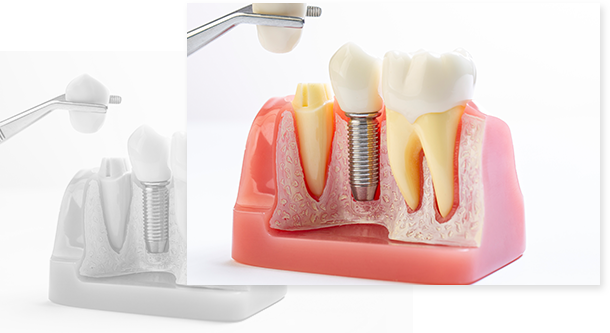
The clinic utilizes 3D digital oral scanning technology — the CEREC Primescan from Dentsply Sirona — together with precision diagnostic equipment to check jawbone health before any graft material is placed. Surgical technique generally follows a three-step sequence: a jawbone health check, artificial bone grafting at the treatment site, and implant placement with prosthetic attachment once the graft has taken. This digital-first approach reduces reliance on guesswork about bone volume, which matters directly for graft planning: the clinic needs to know how much bone is actually missing before deciding how much to add and where.
Comparing Graft Material Options
Different materials suit different situations, which is why the clinic does not use a single default:
Material | Key characteristic |
|---|---|
Autogenous tooth bone graft material | No immune rejection risk; fast new bone formation |
Autogenous bone | Minimal side effects; strong bone-regeneration capacity |
Allograft bone | Donor-derived processed bone, avoiding a second surgical site on the patient |
Xenograft bone | Sourced from animal tissue, processed for compatibility |
Synthetic bone | Manufactured material, avoiding biological donor tissue entirely |
The right choice depends on how much bone is needed, the patient's healing capacity, and whether avoiding a second surgical site (as with an autogenous graft taken from elsewhere in the patient's own body) is a priority.
Realistic Outcomes
Bone grafting restores lost jawbone volume so that implants can be firmly and stably anchored in areas where implant placement was previously impossible. This is a foundation-building procedure — the graft itself does not replace the missing tooth, it creates the conditions under which an implant can be placed successfully afterward.
Risks to Understand
As with any grafting procedure, healing delays, infection, or complications related to the bone transplant itself are possible. The clinic's precision diagnostic approach — assessing bone volume and health before selecting a graft material and technique — is specifically intended to reduce these risks, but grafting still asks the body to integrate new material into living bone, and individual healing response varies. Smoking, uncontrolled systemic disease, and poor oral hygiene are generally recognized factors that can slow graft healing regardless of which clinic performs the procedure, which is why the pre-graft consultation reviews general health alongside the local bone condition.
Recovery and Timeline
Recovery depends on the amount of bone regeneration required before implant placement, and follow-up examinations are used to track healing progress rather than assuming a fixed schedule applies to every patient. Patients should expect this to be a staged process: graft healing first, implant placement afterward, rather than a single visit that accomplishes both.
Combining With Other Treatment
Bone graft implant placement can be combined with periodontal treatment, cavity treatment, wisdom tooth extraction, scaling, or orthodontic treatment depending on the patient's oral condition. Addressing active gum disease or decay before or alongside grafting matters, since untreated infection can undermine graft success regardless of how precisely the graft itself is placed.
Why Dongdaemun Dental Clinic
Specialized bone graft options including autogenous tooth bone material, autogenous bone, allograft bone, xenograft bone, and synthetic bone, selected for individual compatibility.
CEREC Primescan 3D digital scanning for precise pre-graft bone assessment.
All medical staff are Seoul National University graduates.
Over 75% of new patients arrive by referral, with roughly 30 years of practice in the Dongdaemun area.
The clinic's in-house dental laboratory, operating since 2003, supports the prosthetic stage once the graft has healed and the implant is placed.
Planning Your Visit as a US or International Patient
Because bone-graft-to-implant treatment is staged over a healing period, international patients need to plan differently than for a single-visit procedure — the clinic confirms an individual schedule after examination rather than quoting a fixed number of days in advance. US patients typically fly into Incheon (ICN) or Gimpo (GMP), reachable from the clinic by AREX train plus subway to Dongdaemun Station (Lines 1 and 4), Exit 9; US passport holders can generally enter Korea visa-free for short stays via K-ETA, though current requirements should be confirmed before booking. English, Japanese, and Chinese translation service is available throughout, and phone contact is available during clinic hours (KST) for follow-up questions once you have returned home.
Pre-Procedure Preparation
Before grafting begins, patients undergo the same consultation and examination sequence used across the clinic's implant services — a review of dental and medical history, digital scanning, and diagnostic imaging to confirm the extent of bone loss. Any active infection, untreated decay, or gum disease is generally addressed first, since operating in tissue that is already inflamed or infected works against the graft rather than for it.
Aftercare
Follow-up care and oral management are required to support healing and treatment success after grafting. This generally means attending scheduled monitoring visits so the clinic can confirm the graft is integrating as expected before moving to the implant placement stage, rather than assuming healing is complete once initial discomfort subsides.
The Bottom Line
Bone graft implants rebuild insufficient jawbone so a dental implant can be placed securely.
Candidates typically have long-term tooth loss, periodontal disease, or naturally weak bone/gum support.
Treatment planning uses CEREC Primescan digital scanning to assess bone precisely before grafting.
Multiple graft material options are matched to the individual patient for compatibility.
Healing takes time before implant placement follows; the clinic confirms timing after examination.
Frequently Asked Questions
How do I know if I need a bone graft before my implant? If you have been missing a tooth for a long time, have a history of gum disease, or have naturally thin jawbone, a bone graft may be needed. The clinic's digital scanning assessment determines this precisely rather than relying on a general assumption based on your history alone.
What bone graft materials are used? Depending on the case: autogenous tooth bone graft material, autogenous bone, allograft bone, xenograft bone, or synthetic bone — chosen for compatibility with the individual patient's needs and healing profile.
How long until I can get my implant after the graft? Recovery time depends on how much bone regeneration is required, tracked through follow-up examinations rather than a single fixed timeline. Your dentist will confirm progress before scheduling implant placement.
Can bone grafting be combined with other treatment? Yes — periodontal treatment, cavity treatment, wisdom tooth extraction, scaling, or orthodontic treatment can be planned alongside grafting depending on your oral condition.
Is this the same as the Bone-Regenerating Implants service? They address related but distinct situations. This service covers general bone grafting to rebuild volume before implant placement; the clinic's Bone-Regenerating Implants service specifically uses a barrier-membrane technique for alveolar bone damaged by periodontitis. Your evaluation will determine which approach fits your case.
Does the digital scanning replace the need for X-rays? The CEREC Primescan captures the visible surface digitally; deeper bone assessment for grafting still relies on the clinic's diagnostic imaging alongside the scan to build an accurate treatment plan.
Does smoking affect graft healing? Smoking is generally recognized to slow healing in bone-grafting procedures regardless of provider, which is why the pre-treatment consultation reviews lifestyle factors as well as local bone condition. Discuss your smoking history openly with the dentist so the treatment plan and expectations can be set accurately.
Will I be without teeth during the graft-healing period? Grafting itself addresses the bone foundation, not the visible tooth. Depending on your specific situation and what else is being treated at the same time, temporary tooth replacement options can be discussed at the consultation stage — this is worked out case by case rather than assumed.
Can international patients complete this whole process in one trip? Because grafting requires a healing period before implant placement, a single-trip full course is often not realistic for bone-graft cases specifically, unlike more straightforward implant placement. The clinic will outline a realistic staged schedule once your bone condition has been assessed, and some patients plan two visits — one for grafting, a later one for implant placement — around the healing timeline.
How does the clinic decide how much bone to add? The digital scan and diagnostic imaging measure the existing bone volume against what a stable implant placement requires, and the graft plan is sized to close that specific gap rather than applying a standard amount to every patient.
Book a Consultation at Dongdaemun Dental Clinic
To find out whether bone grafting is needed before your implant, contact Dongdaemun Dental Clinic in Seoul. The clinic is open Monday to Friday 10:00 AM–6:00 PM KST with a lunch break from 12:00 PM to 1:00 PM, and Saturday 10:00 AM–2:00 PM KST, closed Sundays and public holidays. Enquire through the contact page or by telephone on +82-2-2268-9529.
Recovery from grafting is meant to precede, not replace, the implant conversation — the two stages are planned together from the start even though they happen at different times.
Disclaimer
This page is for general informational purposes and does not constitute individualized medical advice. Candidacy, technique, and expected outcomes can only be determined through a consultation with a qualified dentist.
Sources & Further Reading
Other Services
Explore additional dental treatments offered by our specialists.
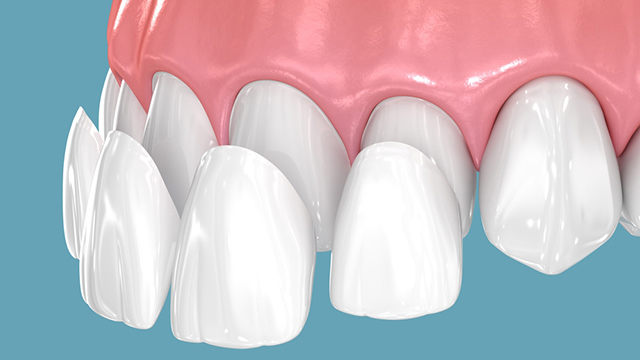
Laminate (Veneers)
Laminate veneers are thin, custom shells — usually ceramic — bonded to the front surface of teeth to improve their color, shape, size, or minor alignment, mainly in the visible smile zone.
Learn More

Bone-Regenerating Implants
Bone-regenerating implants involve a bone transplant procedure that adds bone material to areas with insufficient bone, helping create a suitable foundation for dental implant placement.
Learn More
Bone Graft Implants
Bone graft implant treatment addresses one of the most common obstacles to getting a dental implant: not having enough bone to hold one securely.
Learn More