Trusted Dental Care in Seoul Since 1997 · SNU Dental Alumni · Multilingual Concierge

Aesthetic Prosthodontics · Needs Clinic Confirmation
Laminate (Veneers)
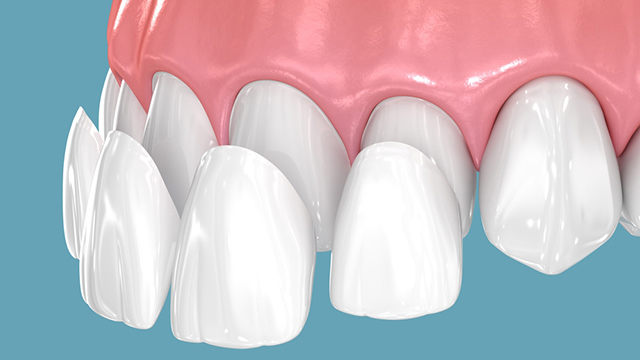
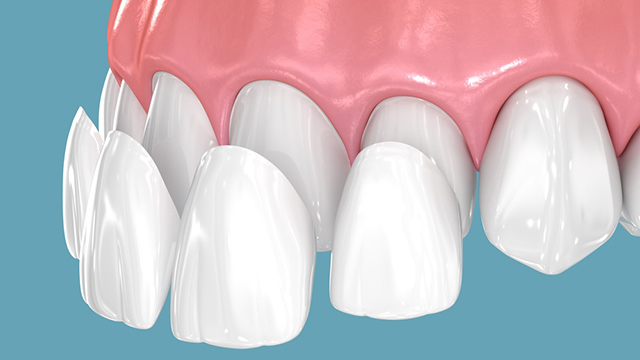
Laminate veneers are thin, custom shells — usually ceramic — bonded to the front surface of teeth to improve their color, shape, size, or minor alignment, mainly in the visible smile zone.
Schedule a ConsultationLaminate (Veneers)
Medically reviewed by Dr. Kim Jeong-chan, Representative Director and Head Dentist, Dongdaemun Dental Clinic, Seoul
Laminate veneers are thin, custom shells — usually ceramic — bonded to the front surface of teeth to improve their color, shape, size, or minor alignment, mainly in the visible smile zone. They typically require less tooth preparation than a crown.
Why Patients Seek Veneers
International patients may seek veneers to improve smile aesthetics — particularly tooth color, shape, minor irregularities, and visible spacing between teeth.
Who Is a Good Candidate
Generally, suitable candidates are adults with healthy teeth and gums who have aesthetic concerns such as discoloration, minor chips, irregular tooth shape, or small gaps. The dentist must assess tooth structure, bite, gum health, and the amount of enamel available before recommending veneers.
Who Should Wait
Patients with untreated tooth decay, active gum disease, or inadequate oral hygiene should generally address these first. Patients with severe tooth damage, certain bite problems, or significant tooth grinding may need a different treatment or additional protection instead.
Consultation and Diagnosis
The dentist evaluates the teeth, gums, bite, and overall oral health. Photographs, dental impressions or digital scans, and X-rays may be used when clinically appropriate. The dentist then determines whether veneers are suitable and discusses the desired tooth shape, shade, and treatment plan. A thorough dental examination matters particularly here because veneer placement can involve irreversible alteration of tooth structure.
Procedure Steps
Consultation — assess teeth, gums, and bite.
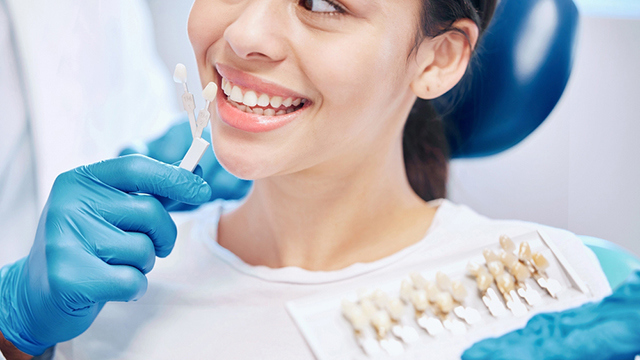
Treatment planning — select the tooth shape, size, and shade.
Tooth preparation — a small amount of enamel is prepared to accommodate the veneer, if required.
Records — impressions or digital scans are taken.
Fabrication — the veneer is manufactured to the planned specifications.
Try-in — fit, shape, and appearance are checked.
Bonding — the veneer is bonded to the tooth with dental adhesive/cement.
Final adjustment — the dentist checks the bite and makes any necessary adjustments.
Anesthesia and Pain Control
Veneer placement may need little or no anesthesia when minimal preparation is performed, but local anesthesia can be used when tooth preparation is likely to cause sensitivity or discomfort. The specific approach depends on how much tooth preparation is required.
Technology Used
Veneer treatment can involve dental impressions or digital scanning, shade-matching systems, and laboratory fabrication, with CAD/CAM technology available where suitable. The American Dental Association notes that digital fabrication has expanded the options available for ceramic restorations.
Benefits and Realistic Outcomes
Veneers can improve the visible color, shape, and proportions of teeth and can mask certain cosmetic imperfections. Ceramic veneers can provide a natural-looking, tooth-colored appearance. They do not correct every orthodontic or functional problem and are not a substitute for treating underlying dental disease.
Risks, Side Effects, and Complications
Possible complications include sensitivity, veneer chipping or fracture, debonding, discoloration around the restoration margin, and problems related to the underlying tooth. Ceramic materials can fracture or chip, and the ADA notes that a veneer may chip, crack, wear down, or loosen over time, requiring the dentist to re-bond, repair, or replace it.
Recovery Timeline
Veneers generally involve no surgical recovery period. Temporary tooth sensitivity or gum irritation may occur after preparation and placement, and patients can generally return to normal activities immediately, subject to their dentist's instructions.
Preparing for Treatment
Complete a dental examination before treatment. Existing cavities, gum disease, or other oral-health problems should be treated first, and patients should maintain good oral hygiene and discuss teeth grinding, clenching, and bite problems with the dentist before proceeding — the ADA specifically notes that placing veneers over unhealthy teeth may worsen existing dental problems.
Aftercare
Maintain regular brushing and interdental cleaning, attend routine dental examinations, and avoid using the veneered teeth to bite very hard objects. Patients who grind or clench their teeth may be advised to use a protective night guard. Good oral hygiene protects both the veneer and the underlying tooth.
Results Timeline and Longevity
The cosmetic result is generally visible immediately after placement. Veneers are not considered a lifetime restoration and may eventually require repair or replacement; longevity varies with material, preparation, bonding, bite forces, oral hygiene, and patient habits. The ADA reports an overall survival rate of about 89% after an average of 9 years for feldspathic porcelain and glass-ceramic laminate veneers, though individual outcomes vary.
Duration and Visit Requirements
Treatment commonly requires more than one appointment when veneers are fabricated in a dental laboratory: consultation and planning, tooth preparation and impressions or scanning, followed by fabrication and final placement. The exact number of visits and appointment length depend on the case and laboratory workflow.
How Veneers Compare With Other Options
Compared with crowns, veneers cover only the front of the tooth and remove less tooth structure. Compared with whitening, veneers can also change a tooth's shape and alignment, not just its color — whitening changes only the color of natural teeth and does not whiten existing crowns or veneers.
Combination Procedures
Depending on the patient's needs, veneers may be combined with professional teeth whitening, orthodontic treatment, or other restorative procedures. Whitening is often planned before selecting the final veneer shade, since the color of a placed veneer does not change through conventional tooth whitening. The right combination should be determined after diagnosis.
How the Clinic Reduces Risk
The clinic uses detailed clinical examination and precision digital diagnosis with the CEREC Primescan scanner, relies on Seoul National University-trained dentists, and applies a one-instrument-set-per-patient sterilization policy.
What Independent Research Says About Veneer Durability
Beyond the clinic's own guidance, independent dental research helps set realistic expectations for veneer longevity. The American Dental Association reports that feldspathic porcelain and glass-ceramic laminate veneers have shown an overall survival rate of about 89% after an average of nine years of follow-up, meaning the large majority remain intact and functional at that point, though a meaningful share will eventually need attention. The ADA also specifically cautions that a veneer may chip, crack, wear down, or loosen over time and require re-bonding, repair, or replacement — not because the procedure has failed, but because any bonded restoration is subject to ordinary wear from biting forces, temperature change, and daily use. The ADA additionally notes that because veneers are classified as cosmetic dentistry, they are often not covered by dental insurance unless deemed medically necessary, which is a practical planning consideration for patients budgeting treatment abroad. These findings describe veneer outcomes generally rather than results specific to Dongdaemun Dental Clinic, but they support the clinic's own point that veneers are not intended as a permanent, one-time restoration.
Caring for Veneers Long-Term
Because a veneer is bonded to a tooth that has had some enamel removed, the health of that bond matters over the entire life of the restoration. Consistent oral hygiene focused on the gumline and the veneer's edges helps prevent staining or decay from developing at the margin where the veneer meets the natural tooth. Patients should also tell the dentist about any habit of chewing on non-food objects, such as pens or fingernails, since this kind of repetitive stress is a common but avoidable cause of chipping in bonded restorations generally. For patients who travel for treatment, keeping a record of the exact veneer material and shade used can also help a home dentist provide continuity of care if any adjustment is needed years later.
Veneers Versus Minimal-Preparation Approaches
Not all veneers require the same amount of tooth preparation. Some cases with minor cosmetic goals — small gaps, slight color mismatches, or very minor shape irregularities — may be candidates for a more conservative, minimal-preparation approach that removes little or no enamel, while cases involving more significant discoloration, misalignment, or tooth-shape correction generally need standard preparation to achieve a natural-looking, properly proportioned result. Whether a minimal-preparation option is appropriate depends on the individual tooth, the desired outcome, and the dentist's clinical judgment after examination — it is not a choice the patient can make independently of that assessment, and the dentist should explain the trade-offs for the specific case during consultation.
Who Provides Your Care
Dentists at Dongdaemun Dental Clinic are all Seoul National University-trained, led by representative director Dr. Kim Jeong-chan, who brings a periodontology background and roughly 30 years of clinical experience to the clinic's treatment approach.
Language Support for International Patients
The clinic offers a dedicated translation service for foreign patients in English, Japanese, and Chinese. Confirm English availability for your specific appointment in advance with the clinic.
Why Dongdaemun Dental Clinic
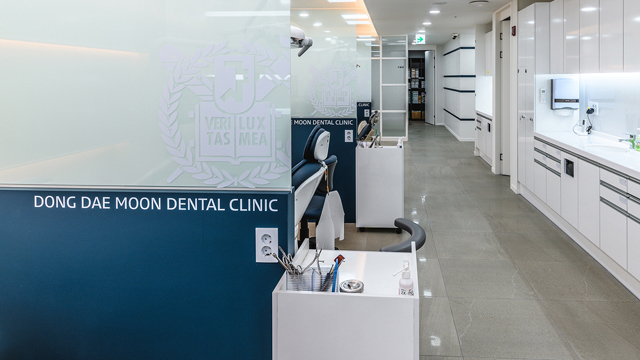
Digital scanning and shade-matching support precise, aesthetically planned veneer treatment.
Detailed clinical examination precedes every veneer treatment plan, including an assessment of bite and available enamel.
A one-instrument-set-per-patient sterilization policy applies clinic-wide.
Dentists are all Seoul National University-trained.
English, Japanese, and Chinese translation service is available for international patients.
Planning Your Visit as a US or International Patient
US patients generally fly into Incheon (ICN) or Gimpo (GMP), with direct flights from many US hubs taking roughly 13–15 hours; from Incheon, the clinic is reachable by AREX train plus subway to Dongdaemun Station (Lines 1 and 4), Exit 9. US passport holders can generally enter Korea visa-free for short stays via K-ETA, though current entry requirements should be confirmed before booking.
International patients should generally plan for multiple appointments if veneers require preparation and laboratory fabrication — the exact number of days depends on the number of teeth involved, preparation required, and fabrication schedule. Patients can generally fly home after uncomplicated veneer placement once comfortable; if additional surgical or invasive dental procedures are performed, the dentist may recommend a different travel schedule. An online consultation board, KakaoTalk, and Naver booking options are available before travel, and phone contact is available during clinic hours (KST) afterward.
What Documents Help International Patients
Clear photographs of the teeth, previous dental X-rays or scans, treatment records, medical history, and medication information support a preliminary assessment. The dentist may request additional examination or imaging before confirming veneer treatment.
The Bottom Line
Laminate veneers are thin ceramic shells bonded to the front of teeth to improve color, shape, or minor alignment.
Veneer treatment generally involves minimal preparation compared with a crown but is usually irreversible once enamel is prepared.
Treatment commonly needs multiple appointments for consultation, preparation, and final bonding.
The ADA reports an ~89% survival rate after an average of 9 years, though veneers are not a lifetime restoration.
English, Japanese, and Chinese language support is available for international patients.
Frequently Asked Questions
Who is a good candidate for veneers? Generally adults with healthy teeth and gums who have cosmetic concerns such as discoloration, minor chips, irregular shape, or small gaps, confirmed by examination of tooth structure, bite, and available enamel.
Who should postpone treatment? Patients with untreated tooth decay, active gum disease, insufficient enamel, severe tooth wear, significant misalignment, or uncontrolled teeth grinding may not be suitable or may need treatment first.
How long does it take? Veneer treatment commonly requires more than one appointment, including consultation, tooth preparation, digital scanning or impressions, fabrication, and final bonding, depending on the number of veneers and laboratory workflow.
Is it painful? Veneer preparation is generally well tolerated. Local anesthesia may be used when preparation could cause sensitivity, and some temporary sensitivity may follow.
Is veneer treatment reversible? No — the ADA notes that veneer treatment is not reversible because tooth enamel is removed to place a veneer, which is why a thorough dental examination beforehand matters.
How long do veneers last? The ADA reports an overall survival rate of about 89% after an average of 9 years for feldspathic porcelain and glass-ceramic veneers, though individual results vary with material, bite forces, and oral hygiene; a veneer may eventually need re-bonding, repair, or replacement.
Can veneers be combined with whitening? Yes — whitening is often completed before veneer placement, since the color of a placed veneer does not change through conventional whitening afterward.
How many days should I stay in Korea? International patients should generally plan for multiple appointments if veneers require preparation and laboratory fabrication; the exact stay depends on the number of teeth and the fabrication schedule.
Is online consultation available before I travel? Yes — the clinic offers an online consultation board, KakaoTalk, and Naver booking options.
What if I have a concern after I return home? Patients can contact the clinic by phone at +82-2-2268-9529.
Book a Consultation at Dongdaemun Dental Clinic
To discuss laminate veneers, contact Dongdaemun Dental Clinic in Seoul. The clinic is open Monday to Friday 10:00 AM–6:00 PM KST with a lunch break from 12:00 PM to 1:00 PM, and Saturday 10:00 AM–2:00 PM KST, closed Sundays and public holidays. Enquire through the contact page or by telephone on +82-2-2268-9529.
Disclaimer
This page is for general informational purposes and does not constitute individualized medical advice. Candidacy, technique, and expected outcomes can only be determined through a consultation with a qualified dentist.
Sources & Further Reading
Other Services
Explore additional dental treatments offered by our specialists.
Laminate (Veneers)
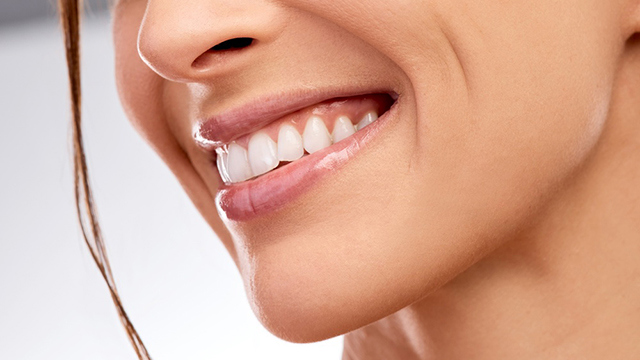
Laminate veneers are thin, custom shells — usually ceramic — bonded to the front surface of teeth to improve their color, shape, size, or minor alignment, mainly in the visible smile zone.
Learn More
Bone-Regenerating Implants
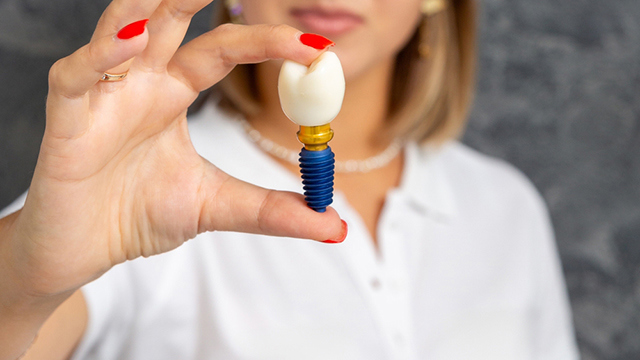
Bone-regenerating implants involve a bone transplant procedure that adds bone material to areas with insufficient bone, helping create a suitable foundation for dental implant placement.
Learn More
Bone Graft Implants
Bone graft implant treatment addresses one of the most common obstacles to getting a dental implant: not having enough bone to hold one securely.
Learn More