Trusted Dental Care in Seoul Since 1997 · SNU Dental Alumni · Multilingual Concierge

Orthodontics · Needs Clinic Confirmation
Braces
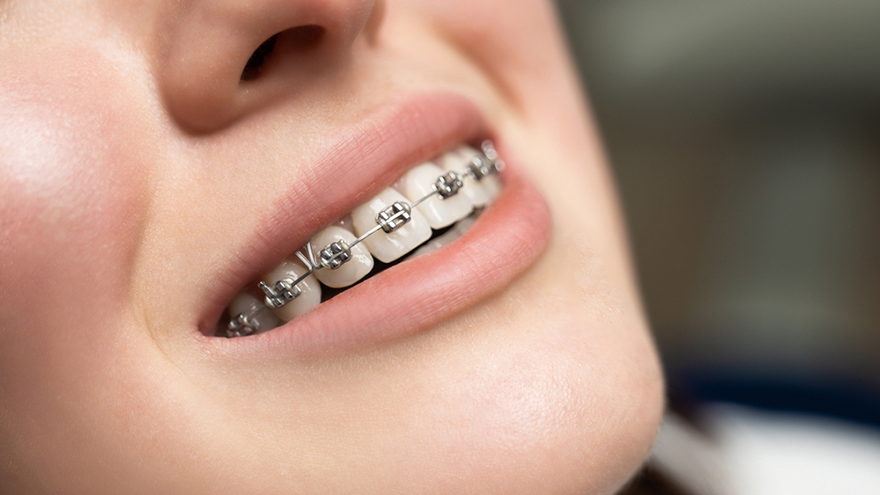
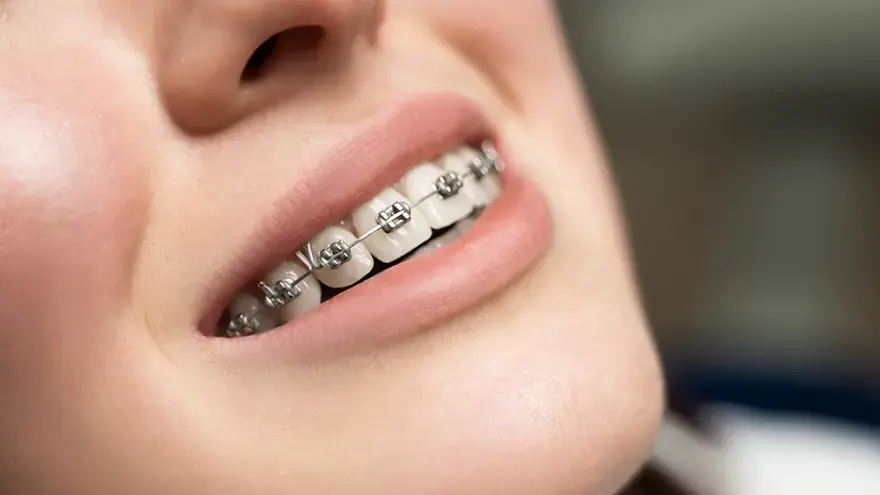
Braces are a fixed orthodontic appliance that uses brackets and wires to gradually move teeth into proper alignment, correcting crowding, spacing, and bite problems caused by malocclusion.
Schedule a ConsultationBraces (Orthodontic Treatment)
Medically reviewed by Dr. Kim Jeong-chan, Representative Director and Head Dentist, Dongdaemun Dental Clinic, Seoul
Braces are a fixed orthodontic appliance that uses brackets and wires to gradually move teeth into proper alignment, correcting crowding, spacing, and bite problems caused by malocclusion. At Dongdaemun Dental Clinic, treatment begins with a full diagnostic examination and is monitored through scheduled adjustment visits over the course of active treatment.
Why Patients Seek This Treatment
Patients typically seek braces to correct uneven or irregular teeth caused by malocclusions such as protruding teeth, crowding, or bite problems. Some arrive already aware they want a fixed, non-removable appliance; others are weighing braces against clear aligners and want to understand the practical differences before deciding.
Who Is a Good Candidate
People with uneven or irregular teeth caused by malocclusions such as protruding teeth, crowding, or bite problems are generally suitable candidates. Patients with active gum disease, untreated cavities, poor oral hygiene, or certain uncontrolled health conditions may need treatment or stabilization before braces are placed — the clinic's initial examination is what determines readiness rather than a patient assuming they qualify.
Consultation and Diagnosis
Treatment begins with registration and a one-on-one consultation to assess dental health, followed by a detailed examination using precision diagnostic equipment and clinical evaluation to identify problems and establish an appropriate treatment plan. This same structured process underlies both the braces and clear aligner pathways at the clinic; which appliance is recommended depends on the specific alignment problem identified.
How Treatment Proceeds
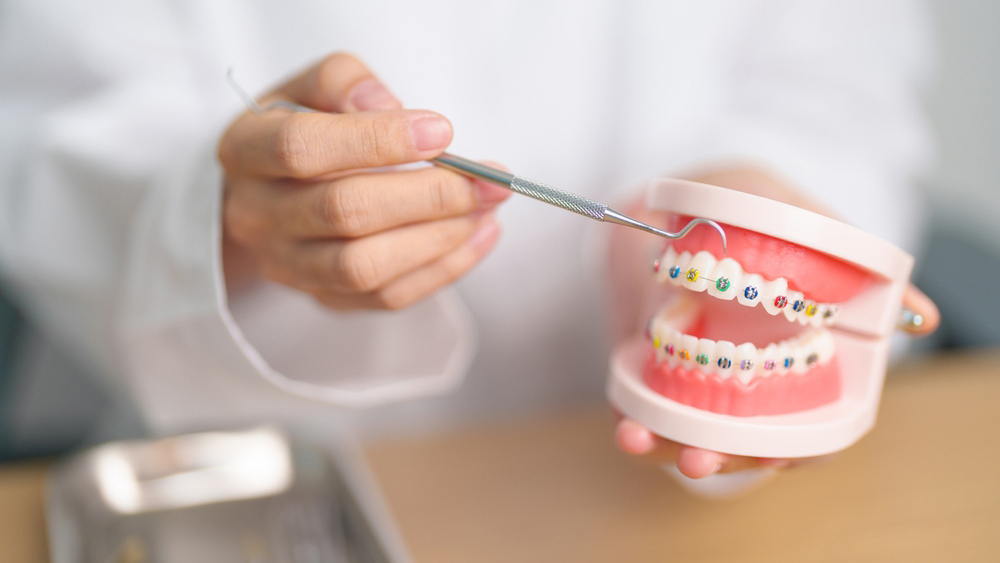
Examination and imaging, including a dental and orthodontic assessment of the current alignment and bite.
Treatment of any active dental issues — cavities or gum disease are generally addressed before appliance placement.
Bracket and wire placement, fitting the fixed appliance to the teeth.
Scheduled adjustment visits, during which wires are tightened or changed to continue guiding tooth movement.
Debonding and retainer fitting, once the active alignment phase is complete.
How Often Adjustment Visits Are Needed
According to the American Association of Orthodontists, modern wire materials are engineered to apply pressure over a longer period than older wires did, which has extended typical intervals between adjustment visits to roughly six to ten weeks in many cases — a meaningful change from the more frequent visits older wire technology required. The exact interval for an individual patient still depends on the specific wires, brackets, and stage of treatment the orthodontist is using, so this figure is a general guide rather than a fixed schedule for every case.
Typical Treatment Duration
Based on the clinic's own patient guidance, orthodontic treatment with braces typically lasts between twelve and thirty months, depending on the complexity of the tooth movement required and the patient's compliance with instructions between visits. Noticeable improvement in alignment is commonly visible within the first three to six months of starting treatment, well before the full course is complete.
Is It Painful
Braces are generally not painful during placement, but temporary pressure, soreness, or irritation can occur after fitting and after adjustment visits as the wires begin moving teeth again. Anesthesia is usually not required for routine placement or adjustment; local anesthesia may be used only if a separate dental procedure is being performed at the same visit.
What Braces Can and Cannot Fix
Braces can improve tooth alignment, spacing, bite relationships, and overall dental function, addressing a wide range of alignment problems because the fixed brackets and wires allow more direct mechanical control over tooth movement than a removable appliance. What braces cannot do is guarantee a specific treatment duration, an exact final appearance, permanent alignment without ongoing retainer use, or a complete absence of relapse — outcomes depend on individual anatomy, the treatment plan, and how consistently the patient follows aftercare instructions, particularly wearing a retainer once the brackets come off.
Braces Versus Clear Aligners
Compared with clear aligners, braces are fixed to the teeth rather than removable, using visible brackets and wires that stay in place between visits. This fixed nature is actually an advantage for some cases: braces can treat a wider range of alignment problems than aligners, including certain bite corrections and tooth-rotation cases where a removable appliance is less effective. The tradeoff is that braces require more attention to oral hygiene around the brackets and wires, and certain hard or sticky foods need to be avoided for the full treatment duration rather than removed at mealtimes the way aligners can be.
Why Adjustment Visits Cannot Simply Be Skipped
Each adjustment visit is when the orthodontist tightens or replaces wires to keep tooth movement progressing toward the planned result, and checks that brackets remain properly attached and that gum and tooth health are holding up under the appliance. Missing a scheduled visit does not just push the whole timeline back by that amount of time — wires that have already done their work and gone slack stop actively moving teeth, so treatment effectively pauses until the next adjustment resets progress. This is part of why the clinic frames the adjustment schedule as a commitment throughout active treatment rather than an appointment to reschedule casually.
Retention After Braces Come Off
Debonding — removing the brackets and wires once the active alignment phase is complete — is not the final step; a retainer is fitted immediately afterward specifically because teeth have a natural tendency to drift back toward their original positions once the appliance is no longer holding them in place. How consistently a patient wears the retainer in the months and years after treatment is one of the biggest factors in whether the corrected alignment holds long-term, which is why the clinic's aftercare instructions treat retention as an extension of treatment rather than a separate, optional step.
Case Complexity and How It Affects Duration
Not every malocclusion requires the same amount of tooth movement, and this is the single biggest reason two patients can be quoted noticeably different treatment durations from the same twelve-to-thirty-month range. A case involving mainly crowding or spacing without significant bite correction generally sits toward the shorter end; cases that also involve correcting how the upper and lower teeth meet when biting down typically require more time, more careful sequencing of tooth movement, and closer monitoring at each adjustment visit. This is established during the initial examination rather than estimated from a brief look at the smile.
Common issues during treatment include temporary soreness after adjustments, gum irritation, cheek or lip irritation from the hardware, and more difficulty cleaning thoroughly around brackets and wires than with natural teeth. Broader risks that can occur with orthodontic treatment generally include tooth decay, gum problems, root shortening, enamel changes, unwanted tooth movement, and relapse if a retainer is not worn as directed afterward. Risk is generally reduced through the clinic's orthodontic examination, imaging, treatment planning, regular adjustment visits, oral-hygiene monitoring, and a structured retention plan once active treatment ends.
Preparing for Treatment
Patients should have a dental and orthodontic examination, treat any cavities or gum disease first, complete any imaging the orthodontist recommends, and maintain good oral hygiene before starting. Beginning treatment while dental disease is still untreated is specifically the scenario the clinic's pre-treatment screening is designed to catch and address first.
Aftercare and Daily Care With Braces
Avoid very hard, sticky, or excessively chewy foods that can damage brackets or wires, and maintain careful oral hygiene around the appliance since food debris collects more easily there than around natural teeth alone. Attend every scheduled adjustment visit — skipping visits doesn't just delay treatment, it can allow the wires to become less effective at guiding tooth movement during the gap.
Combining Braces With Other Treatment
Orthodontic treatment with braces may be combined with fillings, gum treatment, extractions, or other restorative and surgical dental procedures when clinically necessary, planned around the orthodontic timeline so both sets of treatment support rather than interfere with each other.
Technology Used
The clinic uses the CEREC Primescan 3D intraoral scanner (Dentsply Sirona) clinic-wide for digital diagnostic scanning as part of the examination and treatment-planning process, supported by its in-house dental laboratory for any related restorative work needed alongside orthodontic treatment.
Why Dongdaemun Dental Clinic
Structured examination-to-retention protocol: diagnosis, active treatment with scheduled adjustments, debonding, and retainer fitting.
CEREC Primescan digital diagnostic equipment supporting treatment planning.
Treatment provided by Seoul National University-trained dentists, led by representative director Dr. Kim Jeong-chan (periodontology background, roughly 30 years' experience).
English, Japanese, and Chinese translation service for international patients.
Online consultation board available for preliminary questions before booking.
Planning Your Visit as a US or International Patient
Because active orthodontic treatment runs over many months with periodic adjustment visits roughly six to ten weeks apart, braces are generally better suited to patients living in Korea for an extended period, or to an initial consultation-and-placement visit followed by ongoing coordination with a home-country dentist, rather than a single short trip. US patients typically fly into Incheon (ICN) or Gimpo (GMP), with the clinic reachable via AREX train plus subway to Dongdaemun Station (Lines 1 and 4), Exit 9; K-ETA generally allows visa-free entry for short stays for US passport holders, subject to confirming current requirements. English, Japanese, and Chinese translation service is available throughout.
Coordinating Care Between Trips to Korea
For international patients who cannot remain in Korea for the full treatment duration, some clinics coordinate with a patient's home-country dentist or orthodontist to monitor progress between periodic return visits, while more intensive stages of treatment are handled during trips to the clinic itself. Whether this kind of shared-care arrangement is workable for a specific case, and exactly how it would be structured, needs to be discussed directly with the clinic before committing to treatment, since it depends heavily on the individual case, the receiving dentist's willingness to coordinate, and the treatment stage involved.
What Documentation Helps at Consultation
Recent dental records, panoramic or orthodontic X-rays, photographs of the teeth and face, medical history, and any previous orthodontic treatment records help the clinic assess a case more efficiently, particularly useful for international patients trying to make the most of a limited number of in-person visits.
Setting Realistic Expectations
Appropriate claims for braces are limited to correcting uneven or irregular teeth caused by malocclusion and improving alignment, spacing, bite, and dental function — not a guaranteed final appearance, an exact timeline, or permanent results without retainer wear afterward. A provider promising an exact number of months before ever examining your teeth is making a claim that depends on facts not yet established.
The Bottom Line
Braces use fixed brackets and wires to correct crowding, spacing, and bite problems, typically over twelve to thirty months.
Modern wire technology has extended typical adjustment intervals to roughly six to ten weeks per AAO guidance, though this varies by case and treatment stage.
Braces can address a wider range of alignment problems than removable aligners, at the cost of more hygiene effort around brackets and wires.
Any cavities or gum disease are generally treated before appliance placement begins.
A retainer after debonding is what maintains the corrected alignment over time.
Frequently Asked Questions
How long will I need braces? Typically between twelve and thirty months, depending on the complexity of the tooth movement needed and how consistently you follow the orthodontist's instructions between visits.
How often do I need to come in for adjustments? Based on AAO guidance, modern wire technology has extended typical adjustment intervals to roughly six to ten weeks in many cases, though the exact schedule depends on your specific treatment stage and materials.
Will getting braces hurt? Placement itself is generally not painful, though temporary pressure or soreness is common after placement and after each adjustment visit as the wires resume moving teeth.
Can I get braces if I have a cavity or gum disease? Active dental issues are generally treated first — the clinic's examination step identifies and addresses these before appliance placement.
How is this different from clear aligners? Braces are fixed to the teeth and can treat a wider range of alignment problems, while clear aligners are removable and less noticeable but depend more on patient compliance with wear time.
What happens after the braces come off? A retainer is fitted to help maintain the corrected alignment — skipping retainer wear is one of the main reasons teeth can shift back afterward.
Can international patients complete treatment on a single trip? Given the many-month duration and periodic in-person adjustment visits, a single short trip generally isn't practical for full treatment; an initial visit followed by ongoing coordination is the more realistic approach for most international patients.
What foods should I avoid with braces? Very hard, sticky, or excessively chewy foods that can damage brackets or wires should be avoided for the full treatment duration.
Does insurance cover braces? Cost details were not confirmed as part of this content; ask the clinic directly about cost estimates, payment options, and what specifically affects the overall price for your case.
Can braces be combined with other dental treatment? Yes — braces are commonly planned alongside fillings, gum treatment, extractions, or other restorative work when clinically necessary, coordinated so the orthodontic and restorative timelines work together rather than in conflict.
Book a Consultation at Dongdaemun Dental Clinic
To discuss braces treatment, contact Dongdaemun Dental Clinic in Seoul. The clinic is open Monday to Friday 10:00 AM–6:00 PM KST with a lunch break from 12:00 PM to 1:00 PM, and Saturday 10:00 AM–2:00 PM KST, closed Sundays and public holidays. Enquire through the contact page or by telephone on +82-2-2268-9529.
Disclaimer
This page is for general informational purposes and does not constitute individualized medical advice. Candidacy, technique, and expected outcomes can only be determined through a consultation with a qualified orthodontist.
Sources & Further Reading
Other Services
Explore additional dental treatments offered by our specialists.
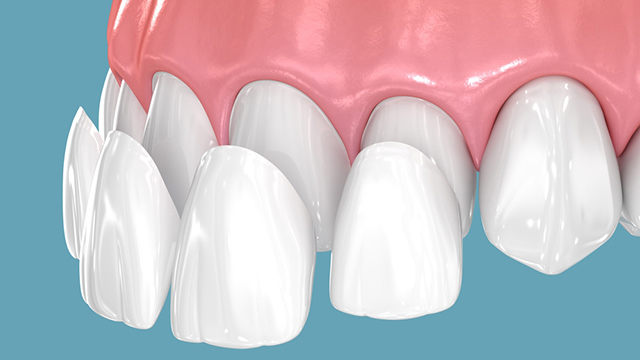
Laminate (Veneers)
Laminate veneers are thin, custom shells — usually ceramic — bonded to the front surface of teeth to improve their color, shape, size, or minor alignment, mainly in the visible smile zone.
Learn More
Bone-Regenerating Implants
Bone-regenerating implants involve a bone transplant procedure that adds bone material to areas with insufficient bone, helping create a suitable foundation for dental implant placement.
Learn More
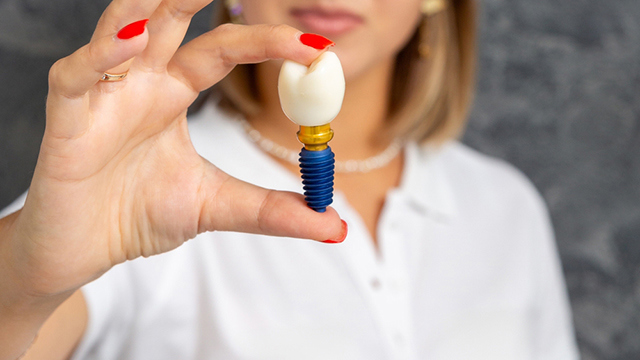
Bone Graft Implants
Bone graft implant treatment addresses one of the most common obstacles to getting a dental implant: not having enough bone to hold one securely.
Learn More