Trusted Dental Care in Seoul Since 1997 · SNU Dental Alumni · Multilingual Concierge

Orthodontics · Needs Clinic Confirmation
Clear Aligner Orthodontics
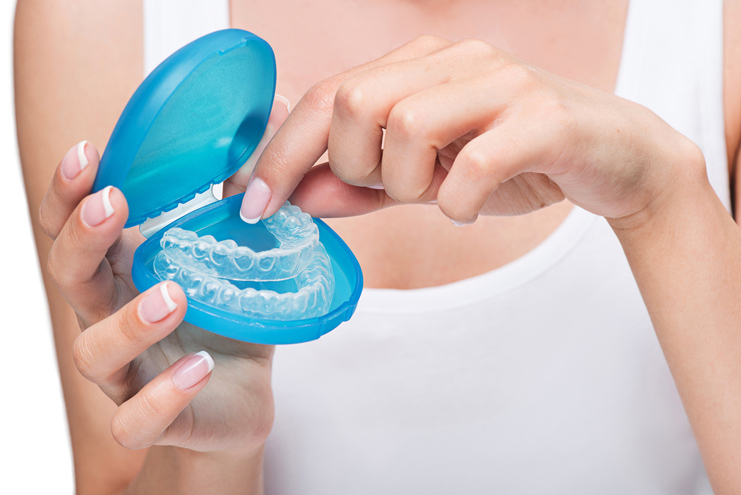
Clear aligner orthodontics uses a series of transparent, removable trays to gradually move teeth into better alignment, correcting uneven or irregular teeth caused by malocclusion without the visible brackets and wires o
Schedule a ConsultationClear Aligner Orthodontics
Medically reviewed by Dr. Kim Jeong-chan, Representative Director and Head Dentist, Dongdaemun Dental Clinic, Seoul
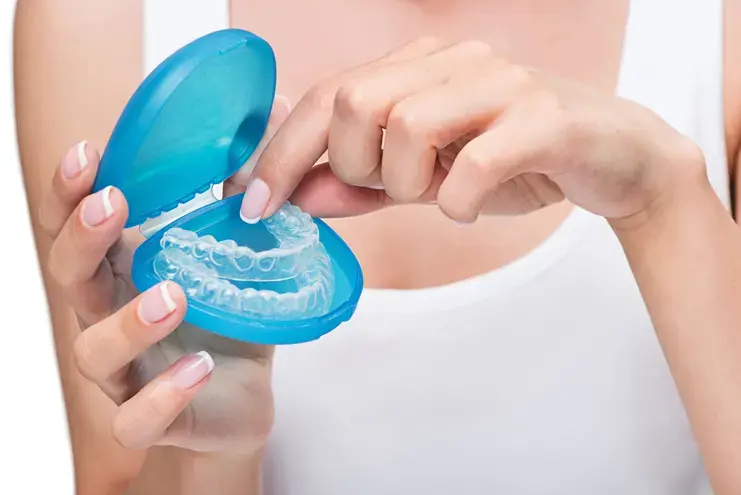
Clear aligner orthodontics uses a series of transparent, removable trays to gradually move teeth into better alignment, correcting uneven or irregular teeth caused by malocclusion without the visible brackets and wires of conventional braces. At Dongdaemun Dental Clinic, aligner treatment is planned by experienced periodontists who factor gum health into the treatment plan alongside tooth movement.
Why Patients Seek This Treatment
Patients typically request clear aligners for a less noticeable orthodontic option that can be removed for eating and brushing, generally causing less irritation than braces with wires or brackets. Many are specifically drawn to the discretion of a nearly invisible appliance, particularly patients who want orthodontic correction without the visible look of metal brackets during daily life or work.
Who Is a Good Candidate
People with mild-to-moderate alignment issues who prefer a removable, nearly invisible option are generally reasonable candidates, with suitability confirmed after examination. Patients with untreated gum disease, significant tooth decay, poor oral hygiene, or more complex orthodontic problems may need treatment before starting aligners, and patients unlikely to wear the aligners consistently may not be good candidates either — aligner treatment depends heavily on the patient actually wearing the trays as prescribed, unlike a fixed appliance that works regardless of patient behavior.
Consultation and Diagnosis
Treatment begins with registration, a pre-treatment questionnaire, and a one-on-one consultation to assess dental health, followed by a detailed examination using precision diagnostic equipment and clinical examinations to identify problems and establish a treatment plan. A defining feature of this clinic's approach is that experienced periodontists are involved in planning aligner treatment specifically so gum health is considered throughout, not just tooth position.
How Treatment Proceeds
Registration, questionnaire, and consultation to assess dental and gum health.
Detailed examination using precision diagnostic equipment and clinical evaluation.
Custom clear aligners are fabricated based on the diagnostic results and treatment plan.
The first aligner is checked for fit, after which the patient replaces aligners periodically and wears them independently.
Regular follow-up visits are scheduled to monitor treatment progress and gum health throughout.
Why Gum Health Is Built Into the Plan
Orthodontic tooth movement places ongoing mechanical stress on the gum and bone tissue supporting each tooth, which is one reason the clinic has experienced periodontists involved in aligner treatment planning rather than treating gum health as a separate concern. This matters in practice for patients who already have some gum sensitivity or a history of gum issues, since more aggressive tooth movement without attention to gum condition can aggravate an existing problem. Framing this as a periodontist-informed process rather than a purely cosmetic orthodontic service is a specific point of difference the clinic emphasizes.
Typical Treatment Duration
Treatment length varies according to the severity of the alignment problem and the amount of tooth movement required; many clear-aligner treatments take approximately six to eighteen months, although simpler cases may be shorter and more complex cases longer. Small changes may become noticeable during the first few months, but because tooth movement is gradual, patients should not expect to see the final alignment early in the process.
Is It Painful
Clear aligners are generally described as causing less pain and irritation than braces because there are no wires or brackets to scratch the inside of the mouth, though mild pressure or tenderness is common with each new tray in the series as it begins moving teeth again. Anesthesia is generally not required for routine aligner treatment since it works gradually rather than surgically; local anesthesia may be used only if a separate procedure, such as an extraction, is needed as part of the overall plan.
What to Expect Day to Day

Aligners should be worn consistently throughout the day and night except during eating and brushing, since the treatment's effectiveness depends directly on wear time — inconsistent wear is one of the most common reasons a case takes longer than planned or fails to reach the predicted result. Mild pressure or tenderness when switching to a new tray, occasional changes in speech during the first few days of wear, and increased saliva production early in treatment are all common and generally settle as the patient adapts.
Risks and Side Effects
Temporary tooth tenderness or pressure, gum irritation, cheek or lip irritation, increased saliva production, and temporary changes in speech can occur, particularly during the first few days of wearing a new aligner. Broader risks include unwanted tooth movement, bite changes, gum irritation or recession, root shortening in some cases, tooth decay associated with poor oral hygiene during treatment, and the possibility that treatment does not fully achieve the planned result if aligners are worn incorrectly or inconsistently.
How the Clinic Manages Risk
The clinic uses detailed clinical examination and precision digital diagnosis with the CEREC Primescan intraoral scanner, care from Seoul National University-trained dentists, and a one-instrument-set-per-patient sterilization policy. Involving experienced periodontists throughout treatment planning is itself a risk-reduction measure specific to this clinic's approach, aimed at catching gum-related complications early rather than only addressing tooth alignment.
Preparing for Treatment
Patients should have a dental examination and cleaning before starting, address any cavities or gum disease first, and provide the orthodontist with a complete dental and medical history. Previous orthodontic treatment, dental implants, crowns, bridges, or other significant dental work should be disclosed since these can affect how the aligner treatment plan is designed. Digital scans or impressions are typically part of this preparation stage.
Aftercare and Daily Habits
Avoid eating or drinking anything other than water while wearing the aligners unless the provider specifically permits otherwise, and avoid exposing aligners to very hot water, which can distort their shape. Maintaining good oral hygiene and following the prescribed wearing schedule consistently are what keep treatment on the planned timeline.
How This Compares to Braces
Clear aligners are transparent, removable, and inconspicuous, while conventional braces use visible, fixed brackets and wires. This tradeoff runs in both directions: aligners are more discreet and allow normal eating and brushing, while braces do not depend on patient wear-time discipline in the same way and can handle a wider range of alignment complexity. Which is more appropriate depends on the specific alignment problem and how important discretion is to the patient, and this is assessed at the initial consultation rather than assumed in advance.
Combining Aligner Treatment With Other Procedures
Depending on the case, clear-aligner treatment can be combined with procedures such as professional dental cleaning, restorative dental treatment, or selected tooth extractions. Any active dental disease should generally be addressed before or alongside orthodontic treatment, consistent with the clinic's broader approach of resolving underlying dental issues before or during cosmetic and alignment-focused care.
Technology Used
Modern clear-aligner treatment commonly relies on digital intraoral scanning, computer-assisted treatment planning, 3D modeling, and customized aligners with attachments where needed for particular tooth movements. The clinic uses the CEREC Primescan 3D intraoral scanner clinic-wide as part of this diagnostic and planning process, supported by its in-house dental laboratory.
Follow-Up Visit Schedule
Follow-up appointments are normally required throughout treatment to check tooth movement, monitor oral and gum health, provide new aligners in the series, and make refinements when necessary. The exact frequency depends on the treatment system and the individual plan, though clear-aligner check-ups are typically scheduled every one to two months, with visits stretched to around every six months in select cases.
Why Dongdaemun Dental Clinic

Aligner treatment planned with direct involvement from experienced periodontists, prioritizing gum health alongside tooth alignment.
CEREC Primescan digital scanning for precision treatment planning.
Seoul National University-trained dentists.
English, Japanese, and Chinese translation service for international patients.
Online consultation board available for preliminary questions.
Planning Your Visit as a US or International Patient
Clear-aligner treatment usually does not require a prolonged stay in Korea for the initial phase — an examination and digital scan or impressions can generally be completed during a dental visit — but the exact number of in-person visits needed over the full treatment course depends on the individual plan and whether remote monitoring options are available, and should be confirmed before traveling. US patients typically fly into Incheon (ICN) or Gimpo (GMP), with the clinic reachable via AREX train plus subway to Dongdaemun Station (Lines 1 and 4), Exit 9; K-ETA generally allows visa-free entry for short stays for US passport holders, subject to confirming current requirements. English, Japanese, and Chinese translation service is available throughout.
What Photos or Records Help at Consultation
A clinic may request facial and intraoral photographs, recent dental X-rays, CBCT imaging when clinically indicated, previous orthodontic records, and information about existing dental restorations or prior orthodontic treatment. A digital intraoral scan or physical impressions are also typically part of treatment planning.
What Affects Overall Treatment Cost
Cost was not confirmed as part of this content, but factors that generally influence clear-aligner pricing include treatment complexity, expected duration, the number of aligners required, digital scanning and treatment planning, any refinement aligners needed partway through, attachments, retainers, and follow-up appointments — ask the clinic directly for a cost estimate specific to your case.
Setting Realistic Expectations
Results can include improved tooth alignment, reduced crowding or spacing, and improvement of certain bite problems when the case is appropriate for aligner treatment, but no provider can guarantee that every tooth will move exactly as digitally predicted or that the result will remain permanently unchanged without retention afterward. Some patients require refinement aligners partway through, and long-term retainer wear is generally necessary to reduce the chance of teeth shifting back once active treatment ends.
What Cannot Be Guaranteed
No provider can guarantee that every tooth will move exactly as digitally predicted at the outset, or that a corrected alignment will remain permanently unchanged without ongoing retention. Some cases require refinement aligners partway through when initial tooth movement does not track the original plan precisely, and this is a normal part of aligner treatment rather than a sign that something has gone wrong. Patients considering aligners specifically for the discretion they offer should also weigh that the responsibility for wear-time compliance sits with them in a way it does not with a fixed appliance — a factor worth being honest with yourself about before choosing this option over braces.
The Bottom Line
Clear aligners are a removable, nearly invisible alternative to braces, planned here with direct periodontist involvement for gum health.
Typical treatment length is roughly six to eighteen months depending on case complexity.
Success depends heavily on consistent wear time — this is the biggest factor separating aligners from a fixed appliance like braces.
Active gum disease or cavities are generally addressed before starting aligner treatment.
A retention plan after treatment is what maintains the corrected alignment over time.
Frequently Asked Questions
Am I a good candidate for clear aligners? People with mild-to-moderate alignment issues who prefer a removable, discreet option are generally reasonable candidates, though suitability is confirmed after an examination, particularly if you have a history of gum concerns.
How long does treatment take? Many clear-aligner treatments take approximately six to eighteen months, though this varies with the severity of the alignment problem and how consistently the aligners are worn.
Will wearing aligners hurt? Aligners generally cause less irritation than braces since there are no wires or brackets, though mild pressure or tenderness is common each time you switch to a new tray.
Why does this clinic involve periodontists in aligner planning? Tooth movement places ongoing stress on the gum and supporting bone tissue, so having experienced periodontists involved helps the treatment plan account for gum health throughout rather than focusing only on tooth position.
What happens if I don't wear my aligners consistently? Inconsistent wear is one of the most common reasons treatment takes longer than planned or fails to reach the predicted result — the aligners only work while they're actually in your mouth.
Can I eat and drink normally with aligners? You should remove aligners for eating and drinking anything other than water, then clean your teeth before reinserting them to avoid trapping food or staining against the tooth surface.
How is this different from traditional braces? Aligners are removable, transparent, and generally less noticeable, but depend more on patient compliance; braces are fixed and can address a somewhat wider range of alignment complexity without relying on wear-time discipline.
Do I need to stay in Korea for the whole treatment? Not necessarily for the initial phase — an exam and digital scan can typically be completed in one visit — but the number of in-person visits needed across the full treatment course depends on your individual plan and should be confirmed directly with the clinic well before you travel.
Can aligner treatment be combined with a cleaning or filling? Yes, depending on the specific case; professional cleaning, restorative treatment, or selected extractions can all be planned alongside aligner treatment when clinically appropriate for the patient.
Will I need a retainer afterward? Yes — long-term retainer wear after the active aligner series is completed is generally necessary to reduce the chance of teeth shifting back toward their original positions over the months and years that follow.
Book a Consultation at Dongdaemun Dental Clinic
To discuss clear aligner orthodontics, contact Dongdaemun Dental Clinic in Seoul. The clinic is open Monday to Friday 10:00 AM–6:00 PM KST with a lunch break from 12:00 PM to 1:00 PM, and Saturday 10:00 AM–2:00 PM KST, closed Sundays and public holidays. Enquire through the contact page or by telephone on +82-2-2268-9529.
Disclaimer
This page is for general informational purposes and does not constitute individualized medical advice. Candidacy, technique, and expected outcomes can only be determined through a consultation with a qualified orthodontist.
Sources & Further Reading
Other Services
Explore additional dental treatments offered by our specialists.
Laminate (Veneers)
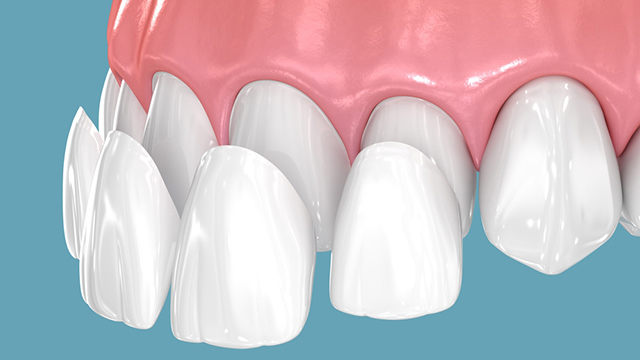
Laminate veneers are thin, custom shells — usually ceramic — bonded to the front surface of teeth to improve their color, shape, size, or minor alignment, mainly in the visible smile zone.
Learn More

Bone-Regenerating Implants
Bone-regenerating implants involve a bone transplant procedure that adds bone material to areas with insufficient bone, helping create a suitable foundation for dental implant placement.
Learn More
Bone Graft Implants
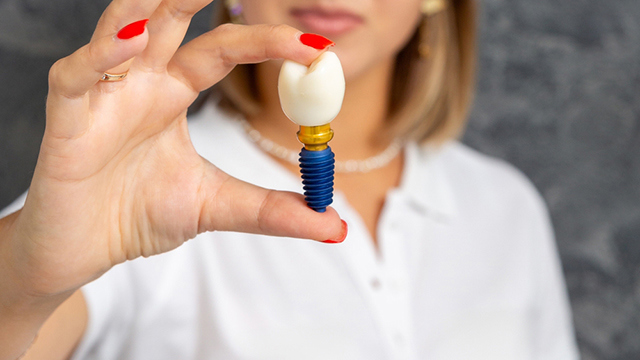
Bone graft implant treatment addresses one of the most common obstacles to getting a dental implant: not having enough bone to hold one securely.
Learn More