Trusted Dental Care in Seoul Since 1997 · SNU Dental Alumni · Multilingual Concierge

Aesthetic Prosthodontics · Needs Clinic Confirmation
Dental Inlays
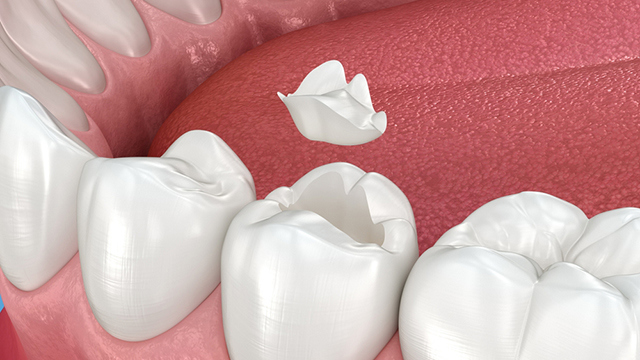
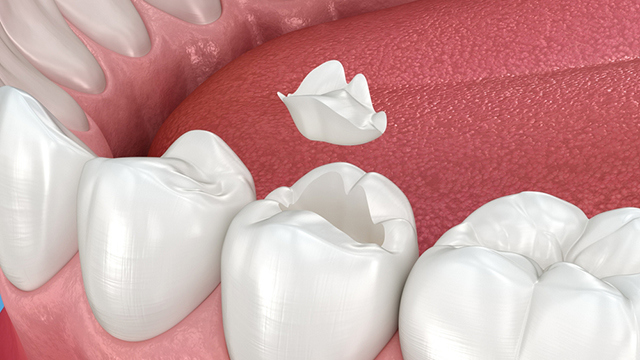
A dental inlay is a custom restoration placed inside a damaged or decayed tooth when a regular filling may not provide enough support, while a crown is not yet necessary.
Schedule a ConsultationDental Inlays
Medically reviewed by Dr. Kim Jeong-chan, Representative Director and Head Dentist, Dongdaemun Dental Clinic, Seoul
A dental inlay is a custom restoration placed inside a damaged or decayed tooth when a regular filling may not provide enough support, while a crown is not yet necessary. At Dongdaemun Dental Clinic, inlays are fabricated through the clinic's in-house dental laboratory.
Why Patients Seek This Treatment
Patients may seek an inlay for a conservative restoration of a damaged tooth, a natural appearance, and durable chewing function — restoring more function than a simple filling can support, without needing the fuller coverage of a crown.
Who Is a Good Candidate
Patients with moderate decay, cracks, or a damaged filling, where enough healthy tooth structure remains for an inlay, are generally good candidates. Inlays are commonly used for damage that does not extend across the tooth's cusps to the degree that would call for an onlay or crown.
Who Should Wait or Choose a Different Treatment
An inlay may not be appropriate when the tooth is extensively damaged or requires a crown, root canal treatment, or extraction instead. Treatment may also need to wait if there is an active dental infection or severe gum disease. Final suitability requires a clinical examination.
Consultation and Diagnosis
The dentist examines the tooth and may use dental X-rays or other imaging to assess the extent of decay, the remaining tooth structure, and the restoration required.
Procedure Steps
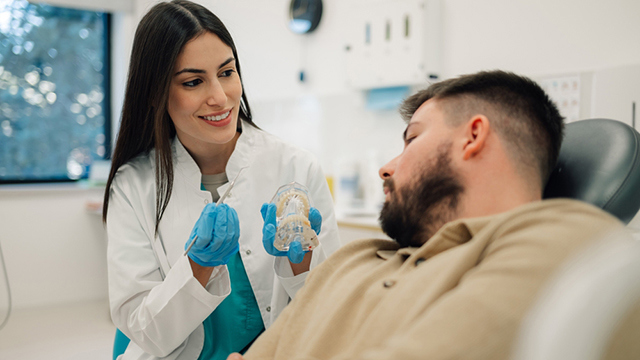
The damaged area is removed, the tooth is prepared, an impression or digital scan is taken, the custom inlay is fabricated, and it is then bonded or cemented and adjusted to the bite. Traditional laboratory-made inlays commonly require two appointments — one to prepare the tooth and take the impression or scan, and a second to place the finished restoration — although CAD/CAM technology can allow some indirect restorations to be completed in a single visit.
Anesthesia and Pain Control
Local anesthesia is commonly used, so the procedure itself is generally comfortable; temporary sensitivity may follow afterward. Sedation is not normally required for a routine inlay, though it may be considered for patients with significant dental anxiety or other needs.
Technology Used
The clinic's specific inlay fabrication technology could not be fully verified from the supplied source, though the in-house dental laboratory supports prosthetic fabrication generally, and digital scanning or CAD/CAM approaches are used elsewhere in the clinic's prosthodontic services.
Benefits and Realistic Outcomes
Inlays can restore chewing function, preserve more natural tooth structure than many crowns, and provide a precise, natural-looking restoration when appropriately selected for the case.
Risks, Side Effects, and Complications
Possible problems include temporary sensitivity, discomfort, loosening or fracture of the restoration, recurrent decay, and rare material or anesthesia reactions. If underlying decay reaches the tooth's pulp, root canal treatment may be required instead of, or in addition to, an inlay.
Recovery Timeline
Recovery is usually quick, with only mild sensitivity or gum tenderness for a few days in most cases. Patients can generally resume normal activities right away.
Preparing for Treatment
Provide the dentist with your medical history, medications, allergies, and previous dental treatment information. Usually no special preparation is required for a routine inlay performed under local anesthesia; if sedation is planned, the clinic may give specific fasting instructions.
Aftercare
Maintain normal brushing and flossing, avoid damaging hard or sticky foods as advised, and attend regular dental examinations. Avoid chewing on the treated side until numbness has fully worn off, to avoid accidentally biting the cheek or tongue.
Results Timeline and Longevity
Function is restored after placement and bite adjustment. Longevity varies with the material used, tooth condition, bite forces, and oral hygiene; some inlays can last many years with proper care, though no restoration can be guaranteed to last indefinitely.
Duration and Visit Requirements
Conventional indirect inlays commonly require two visits, though same-day fabrication is possible where suitable digital equipment is used. The exact schedule should be confirmed with the clinic during consultation.
How Inlays Compare With Other Options
The main alternatives are generally a direct filling, an onlay, or a crown. An inlay sits between the tooth's cusps and suits damage too extensive for a simple filling but not extensive enough to need a crown; an onlay covers one or more cusps, and a crown covers much more of the tooth. Depending on the extent of damage, the dentist determines which of these is the appropriate choice.
Combination Procedures
An inlay may be combined with other restorative treatment when clinically required, such as professional cleaning or treatment of other cavities, but the right combination depends on the tooth's condition and the dentist's overall plan.
How the Clinic Reduces Risk
General risk-reduction for an inlay includes accurate diagnosis of the tooth, thorough removal of decay, preparing sufficient healthy tooth structure, taking an accurate digital scan or impression, and confirming proper fit and bite before completing treatment. The clinic's dentists are all Seoul National University-trained and follow a one-instrument-set-per-patient sterilization policy clinic-wide.
What Independent Research Says About Inlay Longevity
Independent dental research helps set realistic expectations for how long an inlay can be expected to last. A systematic review and meta-analysis of resin and ceramic inlay, onlay, and overlay restorations found survival rates that vary meaningfully by material and by how long the restoration has been in place, with longer-term studies generally showing more wear and a higher chance of eventual repair or replacement than shorter-term follow-up. Separate peer-reviewed research on ceramic inlays and onlays specifically identifies fracture or chipping of the restoration as the most common reason for failure, followed by complications requiring root canal treatment and recurrent decay at the margins — consistent with the general risks described earlier on this page. That same body of research notes that risk of failure tends to be higher when the restored tooth has already had a root canal or when the patient has a grinding or clenching habit, which is part of why the dentist's initial examination and ongoing bite checks matter for this restoration specifically.
Who Provides Your Care
Dentists at Dongdaemun Dental Clinic are all Seoul National University-trained, led by representative director Dr. Kim Jeong-chan, who brings a periodontology background and roughly 30 years of clinical experience to the clinic's treatment approach.
Language Support for International Patients
The clinic offers an online consultation option for prospective patients. Whether a specific dentist personally speaks English could not be independently verified from the supplied source; South Korea's Medical Korea program notes that many Korean dentists speak English and that major dental practices may provide multilingual translators, though this does not confirm Dongdaemun Dental Clinic's specific arrangement for every appointment — confirm language support directly with the clinic when booking.
Why Dongdaemun Dental Clinic
Inlays are fabricated through the clinic's in-house dental laboratory.
A thorough diagnostic examination, including X-rays where needed, precedes every inlay treatment plan.
A one-instrument-set-per-patient sterilization policy applies clinic-wide.
Dentists are all Seoul National University-trained.
An online consultation option is available for prospective patients before booking travel.
Planning Your Visit as a US or International Patient
US patients generally fly into Incheon (ICN) or Gimpo (GMP), with direct flights from many US hubs taking roughly 13–15 hours; from Incheon, the clinic is reachable by AREX train plus subway to Dongdaemun Station (Lines 1 and 4), Exit 9. US passport holders can generally enter Korea visa-free for short stays via K-ETA, though current entry requirements should be confirmed before booking.
For a conventional two-appointment inlay, international patients should plan around two dental visits, with the interval between them depending on laboratory turnaround; some digitally produced restorations may be completed in a single visit. Confirm the expected schedule with the clinic before booking travel. Uncomplicated inlays typically involve no invasive post-operative downtime, so patients can generally resume travel shortly after the final fitting once comfortable.
What Documents Help International Patients
Useful information for an international dental consultation may include passport or patient identification, previous dental records, recent X-rays or CT scans if available, a medication list, medical history, and photographs if requested by the clinic. A final diagnosis normally requires an in-person dental examination and appropriate imaging.
The Bottom Line
A dental inlay restores a tooth with more damage than a filling can support, without requiring the fuller coverage of a crown.
Treatment is generally comfortable under local anesthesia, with quick recovery and only mild temporary sensitivity in most cases.
Conventional inlays commonly require two visits; some digital workflows may allow single-visit fabrication.
Longevity depends on the material used, tooth condition, bite forces, and oral hygiene — no inlay can be guaranteed to last indefinitely.
An online consultation option is available before travel, with confirmation of language support recommended when booking.
Frequently Asked Questions
Who is a good candidate for a dental inlay? Patients with moderate decay, cracks, or a damaged filling where enough healthy tooth structure remains, so that a filling would not be enough but a full crown is not yet necessary.
Who should postpone treatment? Treatment may need to be postponed if there is an active dental infection, severe gum disease, inadequate remaining tooth structure, or a problem requiring root canal treatment — the dentist determines whether an inlay is still appropriate.
How long does it take? Traditional laboratory-made inlays commonly require two appointments: one to prepare the tooth and take an impression or scan, and another to place the finished restoration. CAD/CAM technology can allow some cases to be completed in a single appointment.
Is it painful? The procedure should generally not be painful, since the tooth is numbed with local anesthesia; some temporary sensitivity or soreness may follow.
How many days should I stay in Korea? For a conventional two-appointment inlay, plan around two dental visits, with the interval depending on laboratory turnaround; some digitally produced restorations may be completed in one visit. Confirm the schedule with the clinic before booking travel.
When can I fly home? Uncomplicated dental inlays typically involve no invasive post-operative downtime, so patients can generally resume travel shortly after fitting once comfortable; combining treatment with sedation or other procedures may add restrictions.
What are common side effects? Temporary tooth sensitivity, mild gum irritation, or soreness can occur; some patients may initially notice the restoration when biting until the dentist checks and adjusts it.
Can this be combined with another procedure? Yes. An inlay may be part of a broader treatment plan, such as professional cleaning or treatment of other cavities, depending on the patient's overall dental condition.
How is an inlay different from a filling, onlay, or crown? An inlay sits between the tooth's cusps and is used for damage beyond what a simple filling supports; an onlay covers one or more cusps, and a crown covers much more of the tooth — the right choice depends on the extent of damage.
What if I have a concern after I return home? Patients can contact the clinic by phone at +82-2-2268-9529.
Book a Consultation at Dongdaemun Dental Clinic
To discuss dental inlays, contact Dongdaemun Dental Clinic in Seoul. The clinic is open Monday to Friday 10:00 AM–6:00 PM KST with a lunch break from 12:00 PM to 1:00 PM, and Saturday 10:00 AM–2:00 PM KST, closed Sundays and public holidays. Enquire through the contact page or by telephone on +82-2-2268-9529.
Disclaimer
This page is for general informational purposes and does not constitute individualized medical advice. Candidacy, technique, and expected outcomes can only be determined through a consultation with a qualified dentist.
Sources & Further Reading
Other Services
Explore additional dental treatments offered by our specialists.
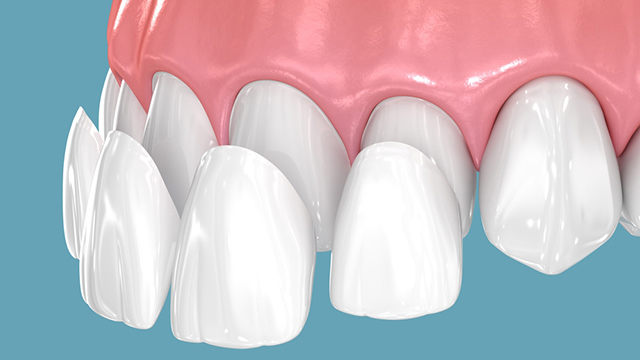
Laminate (Veneers)
Laminate veneers are thin, custom shells — usually ceramic — bonded to the front surface of teeth to improve their color, shape, size, or minor alignment, mainly in the visible smile zone.
Learn More
Bone-Regenerating Implants
Bone-regenerating implants involve a bone transplant procedure that adds bone material to areas with insufficient bone, helping create a suitable foundation for dental implant placement.
Learn More
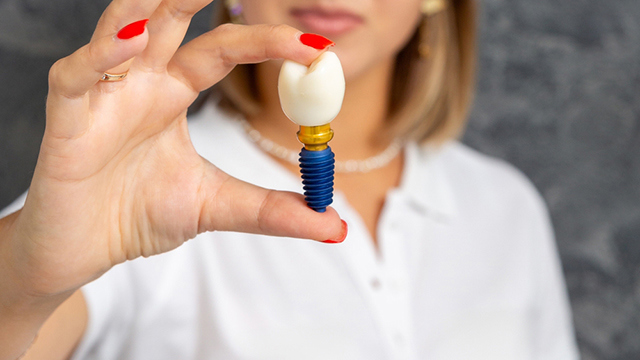
Bone Graft Implants
Bone graft implant treatment addresses one of the most common obstacles to getting a dental implant: not having enough bone to hold one securely.
Learn More