Trusted Dental Care in Seoul Since 1997 · SNU Dental Alumni · Multilingual Concierge

Periodontics & Gum Care · Needs Clinic Confirmation
Dental Scaling & Teeth Cleaning
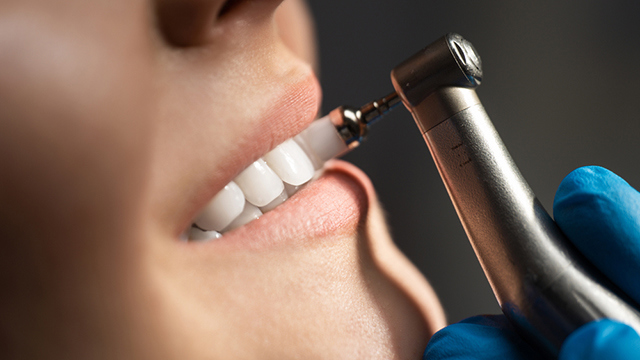
Dental scaling and teeth cleaning removes hardened tartar and plaque, the primary causes of gum disease, leaving the tooth surface clean and smooth.
Schedule a ConsultationDental Scaling & Teeth Cleaning
Medically reviewed by Dr. Kim Jeong-chan, Representative Director and Head Dentist, Dongdaemun Dental Clinic, Seoul
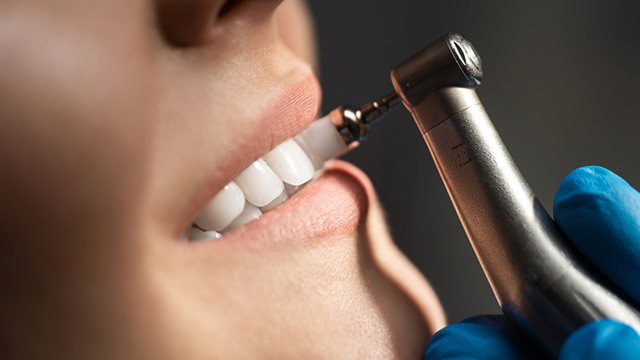
Dental scaling and teeth cleaning removes hardened tartar and plaque, the primary causes of gum disease, leaving the tooth surface clean and smooth. It is performed to help prevent oral health problems and treat early-stage gum disease, while also helping reduce bad breath and other oral health concerns at Dongdaemun Dental Clinic.
Why Patients Seek This Treatment
Patients may seek dental scaling and teeth cleaning to remove tartar and plaque buildup, help prevent gum disease, manage early-stage gum disease, reduce bad breath, and maintain cleaner teeth generally. Unlike periodontal treatment for active, symptomatic gum disease, this service is often sought preventively — before pain, swelling, or bleeding have developed — or to manage a milder, earlier-stage condition.
Who This Service Is For
Dental scaling and teeth cleaning may be suitable for patients who have tartar or staining on their teeth, mild gum disease, bleeding gums caused by gum disease, or bad breath that is worse than usual. It is also a reasonable choice for patients who simply have not had a professional cleaning in some time and want a baseline check before anything more involved is needed.
Signs Your Teeth May Need Scaling
Visible yellow or brown deposits along the gumline, a rough feeling on the back of the lower front teeth (a common site for tartar buildup), persistent bad breath that doesn't resolve with normal brushing, and mild gum bleeding when brushing or flossing are all reasonable signs that professional scaling is due. None of these require waiting until they become severe — catching tartar buildup early is generally easier to manage than waiting until gum inflammation has developed further.
Consultation and Diagnosis
Treatment begins with registration and consultation. Patients complete a pre-treatment questionnaire and receive a one-on-one consultation to assess their dental health. A detailed examination follows, using precision diagnostic equipment and clinical examination to identify problems and establish an appropriate treatment plan.
How Treatment Proceeds
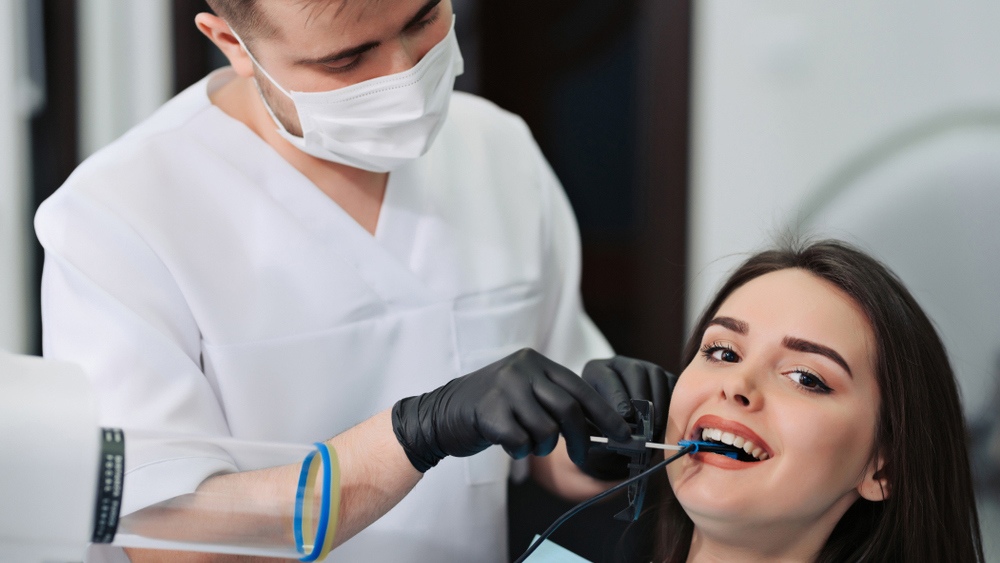
Registration and consultation, including a pre-treatment questionnaire and one-on-one discussion.
Detailed examination using precision diagnostic equipment and clinical evaluation to identify dental concerns and develop a treatment plan.
Treatment to remove plaque and tartar while cleaning the tooth surface.
Follow-up care through periodic visits to continuously manage the treated area.
What Scaling Actually Removes
Plaque is a soft, sticky film of bacteria that forms continuously on teeth; left in place, it hardens into tartar (also called calculus) within a matter of days. Once hardened, tartar bonds tightly to the tooth surface and — critically — can no longer be removed by brushing or flossing at home, regardless of how thoroughly a patient cleans their teeth. Scaling uses specialized instruments to break this hardened material away from the tooth surface, including areas at and below the gumline that a toothbrush cannot reach effectively.
Benefits
Dental scaling and teeth cleaning removes tartar and plaque, cleans and smooths the tooth surface, helps prevent gum disease, supports treatment of early-stage gum disease, and helps reduce bad breath. A smoother tooth surface after scaling also makes it harder for new plaque to adhere as quickly, which is part of why the effect of a cleaning tends to outlast the appointment itself.
Technology Used
The clinic uses the CEREC Primescan 3D intraoral scanner (Dentsply Sirona) clinic-wide for digital scanning, supported by its in-house dental laboratory, alongside the diagnostic equipment used to assess tartar buildup and gum condition before treatment.
What to Expect During and Immediately After
The scaling process uses specialized instruments to work systematically around the mouth, addressing both visible tartar above the gumline and less visible buildup just below it. Mild sensitivity or slight gum tenderness immediately afterward is common, particularly if a significant amount of tartar had accumulated, and this generally settles within a day or two. Teeth often feel noticeably smoother to the tongue immediately after treatment — a direct, tangible sign of the tartar removal.
Aftercare
After treatment, the clinic continuously manages the treated area through periodic follow-up visits. Between appointments, maintaining consistent brushing and flossing at home is what keeps new plaque from accumulating back into the same problem scaling just addressed — professional cleaning and home care work together rather than one substituting for the other.
How This Differs From Periodontal Treatment
Scaling and cleaning is generally positioned as routine maintenance and early-stage prevention, addressing tartar and plaque before or as gum inflammation first develops. The clinic's separate Periodontal Treatment service specifically addresses more active inflammation, pain, swelling, or bleeding that has already progressed further. Patients are not expected to self-diagnose which category they fall into — the initial consultation and examination determine this and route the treatment plan accordingly.
Why Regular Cleanings Matter Even Without Symptoms
Tartar buildup and early gum inflammation frequently develop without pain or obvious symptoms, which is exactly why scheduled cleanings — rather than waiting for a problem to become noticeable — are the standard approach to prevention. By the time bleeding, swelling, or persistent bad breath appear, the underlying tartar accumulation has often been present for some time already.
Factors That Speed Up Tartar Buildup
Some patients accumulate tartar faster than others regardless of how carefully they brush, which is part of why the recommended cleaning interval is individualized rather than fixed. Diet high in sugar and starch feeds the bacteria that form plaque; smoking and tobacco use are strongly associated with faster and heavier tartar accumulation; certain medications reduce saliva flow, which normally helps wash away food particles and buffer acids; and simply having naturally mineral-rich saliva can make some people more prone to calculus formation than others. None of these mean scaling won't help — they just mean some patients benefit from more frequent professional cleaning than the general population average.
A Preventive Investment, Not Just a Cosmetic One
While a cleaner-feeling mouth and reduced bad breath are the benefits patients notice most immediately, the underlying value of routine scaling is preventive: removing tartar before it drives the kind of chronic inflammation that, left unaddressed for years, can progress to the bone erosion and tooth looseness associated with more advanced gum disease. Approached this way, regular scaling is less a cosmetic maintenance item and more a low-cost way of avoiding a considerably more involved and expensive periodontal problem later.
Duration and Visit Requirements
Routine scaling and cleaning is generally one of the clinic's shorter appointments, which is part of why it combines easily with other treatment during the same trip rather than requiring a dedicated visit of its own. Follow-up frequency after the initial appointment is set individually based on the examination findings rather than a fixed schedule applied to every patient.
Why Dongdaemun Dental Clinic
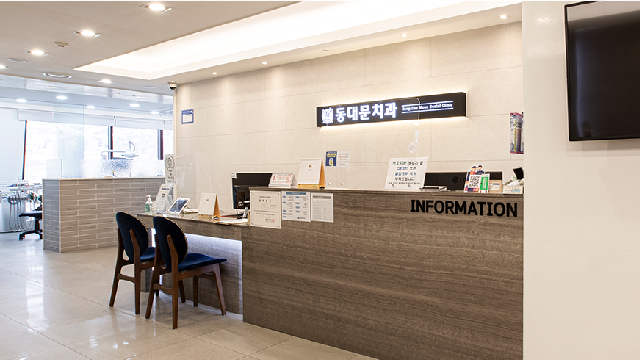
Structured clinical protocol from registration through examination, treatment, and scheduled follow-up.
CEREC Primescan digital diagnostic equipment used to assess gum and tooth condition.
Continuous management through periodic follow-up visits rather than a single isolated cleaning.
Seoul National University-trained dentists.
English, Japanese, and Chinese translation service for international patients.
Planning Your Visit as a US or International Patient
Routine scaling and cleaning is generally one of the more time-efficient services at the clinic, well suited to being combined with other appointments during a shorter visit to Seoul. US patients typically fly into Incheon (ICN) or Gimpo (GMP), with the clinic reachable via AREX train plus subway to Dongdaemun Station (Lines 1 and 4), Exit 9; K-ETA generally allows visa-free entry for short stays for US passport holders, subject to confirming current requirements. English, Japanese, and Chinese translation service is available throughout the visit.
A Simple Habit With Outsized Value
Of all the services this clinic offers, scaling and cleaning is among the least invasive and least time-consuming, yet the preventive value it provides against far more serious gum and bone problems down the line is disproportionate to that low burden. Treating it as a routine habit rather than an occasional afterthought is generally the more effective long-term approach to gum health.
The Bottom Line
Scaling removes hardened tartar and plaque that brushing and flossing at home cannot reach or remove.
This service is generally preventive or for milder, early-stage gum concerns, distinct from active periodontal treatment.
The process runs through registration, examination, cleaning, and scheduled follow-up.
Regular cleanings matter because tartar and early gum inflammation often develop without noticeable symptoms.
Home care between visits is what sustains the benefit of a professional cleaning over time.
Frequently Asked Questions
How is scaling different from what my dentist calls a regular cleaning? They generally describe the same or a closely related process — removing tartar and plaque from the tooth surface, including areas below the gumline that brushing cannot reach.
Do I need this if I brush and floss regularly? Yes, at some interval — once plaque hardens into tartar, home brushing and flossing can no longer remove it, regardless of technique or consistency. Professional scaling is the only way to remove hardened tartar.
Will this be painful? Anesthesia details for this specific procedure should be confirmed at consultation; general cleaning and scaling is typically well tolerated, with any sensitivity generally being temporary.
How often should I have this done? The clinic schedules periodic follow-up visits to continuously manage your specific situation; frequency depends on your individual tartar buildup rate and gum condition rather than a single fixed interval for everyone.
What if the examination finds more advanced gum disease? If your condition has progressed beyond what scaling and cleaning addresses, the clinic's Periodontal Treatment service is the appropriate next step, determined by your examination findings.
Can this be combined with a broader dental check-up during my trip? Yes — scaling and cleaning is a comparatively quick, routine service that fits well alongside other appointments during a visit focused on more involved treatment elsewhere in the mouth.
Does smoking affect how often I need scaling? Smoking is associated with faster and heavier tartar accumulation, which can mean shorter recommended intervals between cleanings for smokers compared with non-smokers.
Will scaling whiten my teeth? Scaling removes tartar and surface staining that has built up, which can make teeth look somewhat brighter, but it is not a substitute for a dedicated whitening treatment aimed at changing the underlying tooth shade.
Is scaling safe if I have sensitive teeth? Mild, temporary sensitivity after scaling is common and generally resolves within a day or two; let your dentist know about existing sensitivity so it can be managed appropriately during treatment.
What happens if I skip regular cleanings for a long time? Tartar continues to accumulate and can drive ongoing gum inflammation without symptoms for some time, increasing the risk that a routine cleaning issue develops into a more involved periodontal problem by the time it's addressed.
Book a Consultation at Dongdaemun Dental Clinic
To schedule scaling and teeth cleaning, contact Dongdaemun Dental Clinic in Seoul. The clinic is open Monday to Friday 10:00 AM–6:00 PM KST with a lunch break from 12:00 PM to 1:00 PM, and Saturday 10:00 AM–2:00 PM KST, closed Sundays and public holidays. Enquire through the contact page or by telephone on +82-2-2268-9529.
Disclaimer
This page is for general informational purposes and does not constitute individualized medical advice. Candidacy, technique, and expected outcomes can only be determined through a consultation with a qualified dentist.
Sources & Further Reading
Other Services
Explore additional dental treatments offered by our specialists.
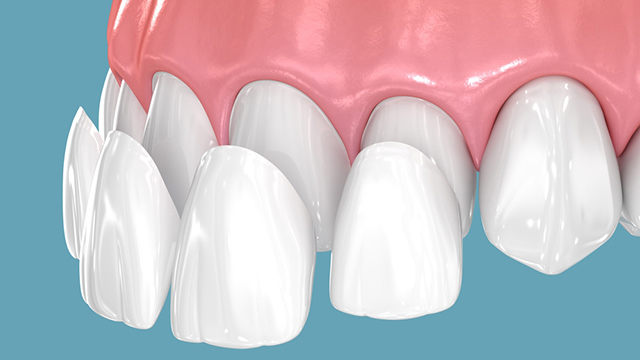
Laminate (Veneers)
Laminate veneers are thin, custom shells — usually ceramic — bonded to the front surface of teeth to improve their color, shape, size, or minor alignment, mainly in the visible smile zone.
Learn More
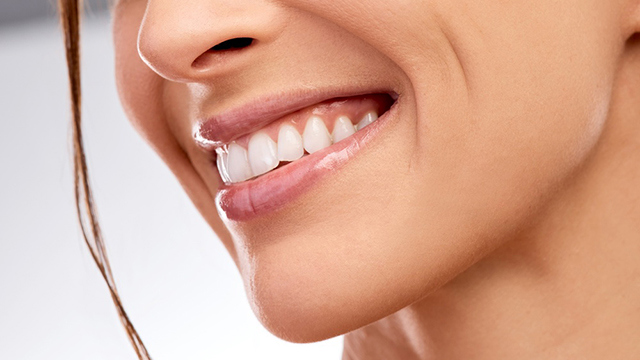
Bone-Regenerating Implants
Bone-regenerating implants involve a bone transplant procedure that adds bone material to areas with insufficient bone, helping create a suitable foundation for dental implant placement.
Learn More
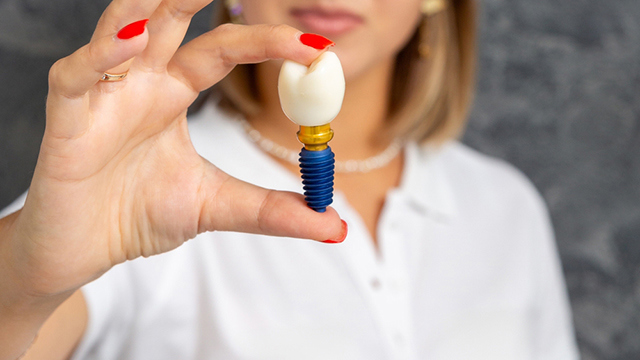
Bone Graft Implants
Bone graft implant treatment addresses one of the most common obstacles to getting a dental implant: not having enough bone to hold one securely.
Learn More