Trusted Dental Care in Seoul Since 1997 · SNU Dental Alumni · Multilingual Concierge

Aesthetic Prosthodontics · Needs Clinic Confirmation
Digital Prosthetic Treatment
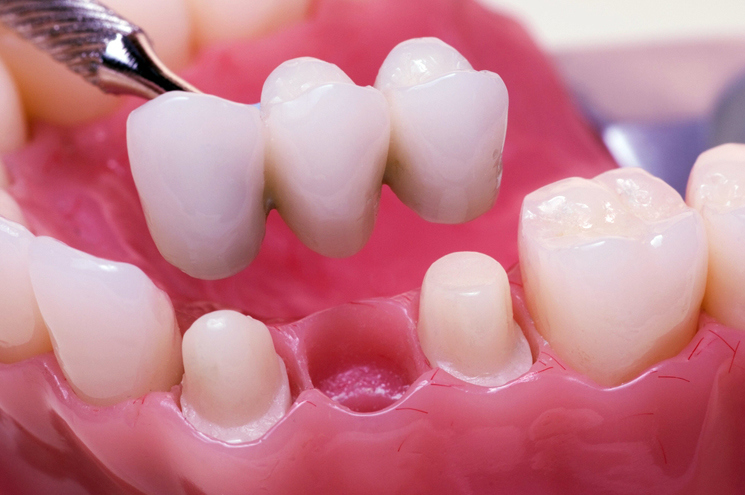
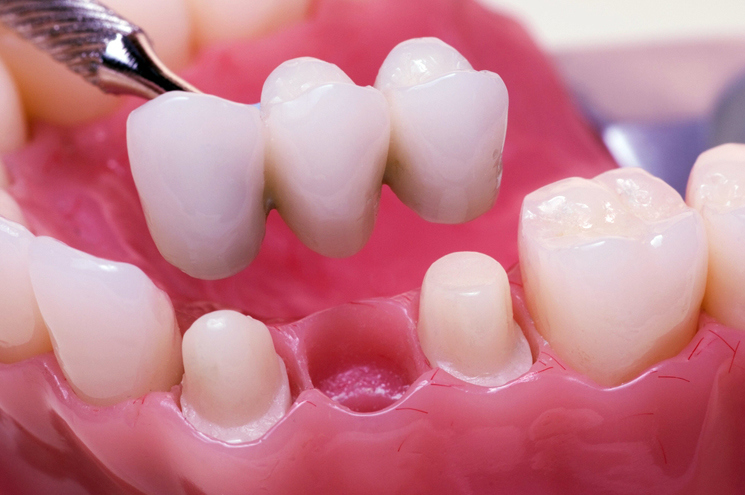
Digital prosthetic treatment uses digital intraoral scanning and computer-aided design and manufacturing (CAD/CAM) to plan and fabricate dental prosthetics such as crowns, inlays, onlays, and bridges, generally with a pr
Schedule a ConsultationDigital Prosthetic Treatment
Medically reviewed by Dr. Kim Jeong-chan, Representative Director and Head Dentist, Dongdaemun Dental Clinic, Seoul
Digital prosthetic treatment uses digital intraoral scanning and computer-aided design and manufacturing (CAD/CAM) to plan and fabricate dental prosthetics such as crowns, inlays, onlays, and bridges, generally with a precise fit and, in many cases, fewer conventional impressions. Dongdaemun Dental Clinic uses the CEREC Primescan digital 3D intraoral scanner from Dentsply Sirona together with an in-house dental laboratory.
How the Digital Workflow Works
Instead of a conventional physical impression, the CEREC Primescan scanner captures a digital 3D record of the mouth. That scan is used to design the restoration and can be transferred electronically to the clinic's in-house dental laboratory for CAD/CAM fabrication, which can reduce some manual laboratory steps compared with a conventional workflow.
Who It Suits
Patients who need tooth-colored or functional restorations — crowns, inlays/onlays, bridges, or implant prostheses — particularly when accurate digital records can support the restoration's design, are good candidates for this workflow. Dongdaemun Dental Clinic publicly lists zirconia, PFM, PFG, all-ceramic, and gold crowns, as well as ceramic and gold inlays and implant prostheses, as restorations it provides.
Who Should Wait or Choose a Different Approach
Digital scanning is not automatically appropriate for every case. Patients with difficult-to-scan anatomy, extensive bleeding or moisture contamination, severely limited mouth opening, or complex full-arch situations may need conventional impressions or additional verification instead. Suitability is determined after clinical examination, and patients with untreated tooth decay, active gum disease, oral infection, or insufficient tooth structure may need stabilizing treatment first.
Consultation and Diagnosis
The dentist evaluates the tooth or teeth, remaining tooth structure, gums, bite, and aesthetic requirements. Clinical photographs, radiographs, or other imaging may be taken depending on the case. The dentist then determines whether a crown, inlay/onlay, bridge, or implant-supported restoration is appropriate, and whether a digital workflow suits the situation.
Anesthesia and Comfort
Digital scanning itself is generally painless and does not require anesthesia. Local anesthesia may be used when tooth preparation or another invasive step is needed; the exact approach depends on the restoration and how much tooth preparation is required.
Benefits and Realistic Outcomes
Potential benefits include a more comfortable scanning experience than conventional impression material, a digital 3D record, efficient transfer of information to the dental laboratory, and a streamlined CAD/CAM fabrication process. Digital workflows can reduce some manual steps and sources of error compared with conventional methods. A digital workflow does not by itself guarantee a perfect restoration — clinical preparation, scanning quality, design, fabrication, material selection, bite, and follow-up all still affect the final result.
Risks, Side Effects, and Complications
Risk mainly depends on the underlying prosthetic treatment rather than the digital scan itself. Possible issues include tooth sensitivity after preparation, discomfort, bite discrepancy, restoration fracture or chipping, loosening or debonding, recurrent decay around a restoration, gum irritation, food trapping, and the eventual need for adjustment or replacement. Implant-supported prostheses can additionally involve complications such as prosthetic loosening or peri-implant disease, and the clinic's representative director has specifically emphasized the importance of regular maintenance and monitoring for implant prostheses.
Recovery Timeline
Digital scanning itself requires essentially no recovery. Recovery instead depends on the actual prosthetic procedure performed: a crown or inlay generally causes little downtime, though temporary sensitivity or gum tenderness may occur, while more extensive implant-related treatment involves a substantially longer healing period.
Preparing for Treatment
Maintain good oral hygiene and tell the dentist about existing dental problems, medications, and relevant medical conditions. Any active decay, gum disease, or infection should be evaluated and treated as appropriate before definitive prosthetic treatment. For implant-supported restorations, implant and surrounding bone/soft-tissue health must also be assessed first.
Aftercare
Brush and clean carefully between teeth around the new restoration. Avoid excessively hard or sticky foods initially if the dentist advises it, and attend follow-up appointments for bite and restoration checks. For implant prostheses specifically, regular professional examinations and meticulous plaque control matter — the clinic's representative director has emphasized floss and interdental-brush use along with regular checkups to monitor implant-related problems.
Results Timeline and Longevity
The restoration is functional once properly fitted and bonded or attached, but long-term lifespan varies with the restoration material, tooth condition, bite forces, oral hygiene, diet, smoking, parafunctional habits (like grinding), and maintenance. Digital technology itself does not provide a fixed longevity guarantee.
Duration and Visit Requirements
Treatment time depends on the restoration and workflow chosen. A straightforward crown or inlay may need fewer visits than a multi-unit bridge or an implant prosthesis. Digital impressions can shorten some laboratory-related steps because scan data transmits electronically. The exact number of visits should be confirmed with the clinic during consultation.
How Digital Compares With Conventional Impressions

Digital workflows use optical/digital records and CAD/CAM fabrication, while conventional workflows use physical impressions and models. Digital methods may improve patient comfort and workflow efficiency, but conventional impressions remain useful where digital scanning is clinically difficult or where additional physical verification is appropriate.
Combination Procedures
Depending on the patient's condition, digital prosthetic treatment may be combined with root canal treatment, periodontal treatment, fillings or core build-up, tooth preparation, implant placement, bone-grafting procedures, or implant prosthetic treatment. Which combination applies is determined by diagnosis rather than automatically bundled with this service.
How the Clinic Reduces Risk
The clinic relies on detailed clinical examination and precision digital diagnosis with the CEREC Primescan scanner, Seoul National University-trained dentists, and a one-instrument-set-per-patient sterilization policy to support safe, accurate treatment.
What Independent Research Says About Digital Scanning
Beyond the clinic's own description, peer-reviewed dental research helps explain why digital workflows have become common in restorative dentistry. Research published through the US National Institutes of Health notes that intraoral scanners capture an optical impression of the mouth and display a magnified, real-time image on screen during scanning, which can help the dentist manage tooth preparation and plan the restoration as it happens. The same body of research describes several general advantages of intraoral scanning and CAD/CAM workflows: reduced patient discomfort compared with conventional impression material, real-time visualization during the scan, easier communication of the digital file with a dental laboratory, and typically shorter overall treatment time. Digital records for single crowns and other fixed restorations have also been shown in this research to achieve an appropriate marginal fit — an important factor in how well a restoration seals against the tooth over time. These findings describe digital dentistry generally rather than Dongdaemun Dental Clinic's specific outcomes, but they help explain the rationale behind a digital-first workflow.
The same research literature also points out that digital scanning reduces the operator's physical burden during a long appointment and lowers infection-control concerns tied to reusable impression trays and materials, since a digital scan produces no physical material that needs disinfecting or discarding. Selective re-scanning is another advantage noted in this research: if part of a digital impression needs to be redone — for example if the patient moved or saliva interfered with part of the scan — the dentist can typically re-capture just that area rather than starting the entire impression over, which is not possible with a conventional physical impression.
How Digital Records Support Treatment Planning
A digital scan is not only used to fabricate the final restoration — it also becomes part of the patient's ongoing dental record. Because the scan is stored digitally, it can be referenced again for future treatment planning, compared against later scans to track wear or tooth movement over time, and shared electronically with the in-house dental laboratory without the delay of shipping a physical model. For international patients returning home after treatment, this also means the clinic retains a precise digital record of the completed restoration, which can be useful if a question arises later and the patient's home dentist needs a reference point.
Who Provides Your Care
Dentists at Dongdaemun Dental Clinic are all Seoul National University-trained, led by representative director Dr. Kim Jeong-chan, who brings a periodontology background and roughly 30 years of clinical experience to the clinic's overall treatment approach.
Language Support for International Patients
The clinic offers a dedicated translation service for foreign patients in English, Japanese, and Chinese. Confirm English availability for your specific appointment in advance with the clinic.
Why Dongdaemun Dental Clinic
CEREC Primescan digital 3D intraoral scanning reduces reliance on conventional impression materials and supports precise treatment planning.
An in-house dental laboratory supports CAD/CAM fabrication of crowns, inlays, onlays, and bridges.
Detailed clinical examination and precision digital diagnosis are used before treatment is finalized.
A one-instrument-set-per-patient sterilization policy applies clinic-wide.
Dentists are all Seoul National University-trained.
English, Japanese, and Chinese translation service is available for international patients.
Planning Your Visit as a US or International Patient
US patients generally fly into Incheon (ICN) or Gimpo (GMP), with direct flights from many US hubs taking roughly 13–15 hours; from Incheon, the clinic is reachable by AREX train plus subway to Dongdaemun Station (Lines 1 and 4), Exit 9. US passport holders can generally enter Korea visa-free for short stays via K-ETA, though current entry requirements should be confirmed before booking.
For a straightforward, digitally fabricated restoration, a shorter stay may be possible where the workflow allows efficient fabrication; more complex bridges or implant prostheses generally need additional appointments. Patients can generally fly home after uncomplicated prosthetic treatment once comfortable — if extractions, implant surgery, or another invasive procedure is also performed, the dentist may recommend extra recovery time before flying. An online consultation board is available before travel, and phone or KakaoTalk contact is available during clinic hours (KST) for any concern after returning home.
What Documents Help International Patients
Clear photographs of the teeth, previous dental X-rays or scans, dental treatment records, medical history, and medication information support a preliminary assessment. The clinic may request additional diagnostic records once a treatment plan is under discussion.
The Bottom Line
Digital prosthetic treatment uses the CEREC Primescan digital 3D scanner and CAD/CAM design to plan crowns, inlays, onlays, and bridges.
Digital scanning itself is generally painless and needs no anesthesia or recovery time; recovery instead depends on the underlying restoration.
A straightforward digital restoration can sometimes be completed in fewer visits, though multi-unit or implant-supported prostheses still need more appointments.
No digital workflow can guarantee a permanently perfect fit or a restoration free of future adjustment.
English, Japanese, and Chinese language support is available for international patients throughout the process.
Frequently Asked Questions
Who is a good candidate for digital prosthetic treatment? Patients needing crowns, inlays, onlays, or bridges who would benefit from digital scanning and CAD/CAM fabrication for a precise fit, confirmed after clinical examination.
Who should postpone treatment? Patients with untreated tooth decay, active gum disease, oral infection, insufficient tooth structure, or other conditions requiring preliminary treatment may need stabilization first.
How long does it take? A simple digital restoration may be completed in one or a few visits depending on the restoration and laboratory workflow; more complex bridges or implant prostheses generally need additional appointments.
Is it painful? Digital scanning itself is generally painless. If tooth preparation is required, local anesthesia can keep the procedure comfortable, and some temporary sensitivity may follow.
How many days should I stay in Korea? For a straightforward digitally fabricated restoration, a shorter stay may be possible, particularly when the workflow allows efficient fabrication; the required stay depends on the restoration and number of teeth treated.
When can I fly home? Patients can generally fly after uncomplicated prosthetic treatment once comfortable. If extractions, implant surgery, or other invasive procedures are performed, the dentist may recommend additional recovery time first.
Can this be combined with another procedure? Yes. Digital prosthetic treatment may be combined with tooth preparation, root canal treatment, periodontal treatment, crowns, bridges, inlays/onlays, or implant treatment, depending on the patient's needs.
How is this different from a conventional impression? Digital workflows use an intraoral digital scan and CAD/CAM design instead of physical impression material, which can improve comfort and streamline communication with the dental laboratory; conventional impressions remain appropriate for some cases.
Is online consultation available before I travel? Yes — the clinic offers an online consultation board.
What if I have a concern after I return home? Patients can contact the clinic by phone at +82-2-2268-9529.
Book a Consultation at Dongdaemun Dental Clinic
To discuss digital prosthetic treatment, contact Dongdaemun Dental Clinic in Seoul. The clinic is open Monday to Friday 10:00 AM–6:00 PM KST with a lunch break from 12:00 PM to 1:00 PM, and Saturday 10:00 AM–2:00 PM KST, closed Sundays and public holidays. Enquire through the contact page or by telephone on +82-2-2268-9529.
Disclaimer
This page is for general informational purposes and does not constitute individualized medical advice. Candidacy, technique, and expected outcomes can only be determined through a consultation with a qualified dentist.
Sources & Further Reading
Other Services
Explore additional dental treatments offered by our specialists.
Laminate (Veneers)
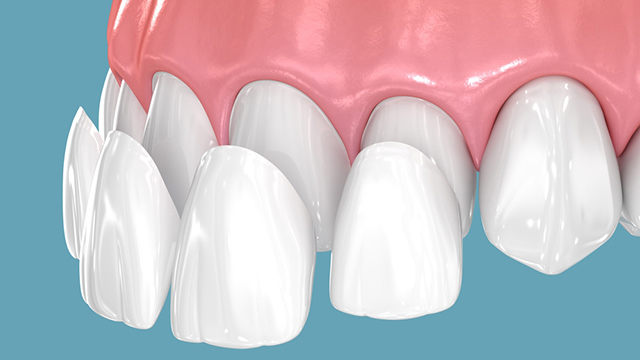
Laminate veneers are thin, custom shells — usually ceramic — bonded to the front surface of teeth to improve their color, shape, size, or minor alignment, mainly in the visible smile zone.
Learn More
Bone-Regenerating Implants
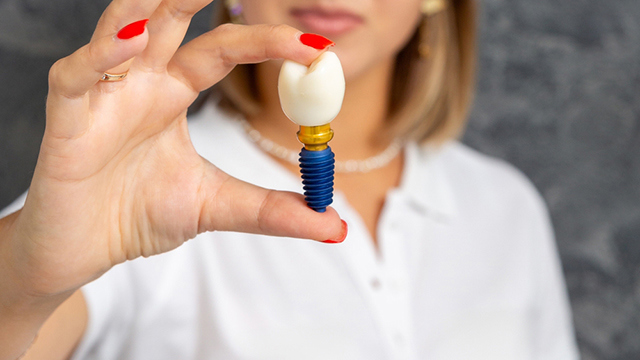
Bone-regenerating implants involve a bone transplant procedure that adds bone material to areas with insufficient bone, helping create a suitable foundation for dental implant placement.
Learn More
Bone Graft Implants
Bone graft implant treatment addresses one of the most common obstacles to getting a dental implant: not having enough bone to hold one securely.
Learn More