Trusted Dental Care in Seoul Since 1997 · SNU Dental Alumni · Multilingual Concierge

Dental Implants · Needs Clinic Confirmation
Dongdaemun Dental Implants
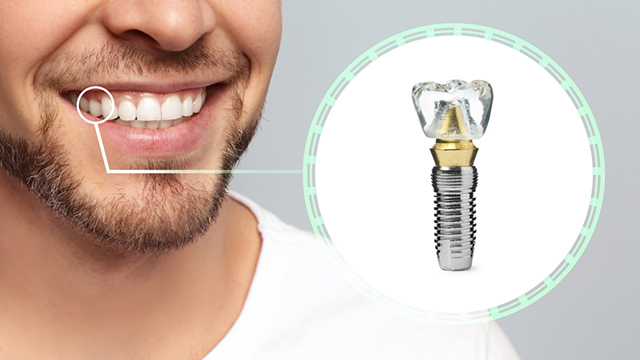
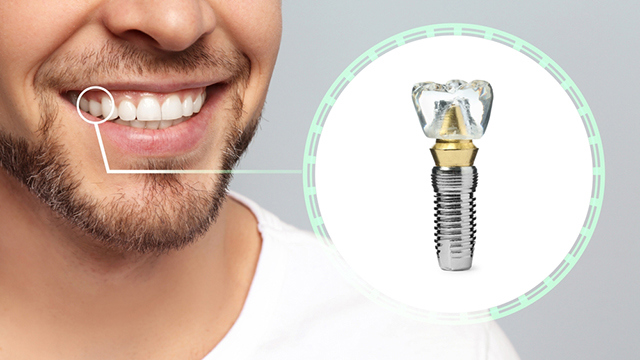
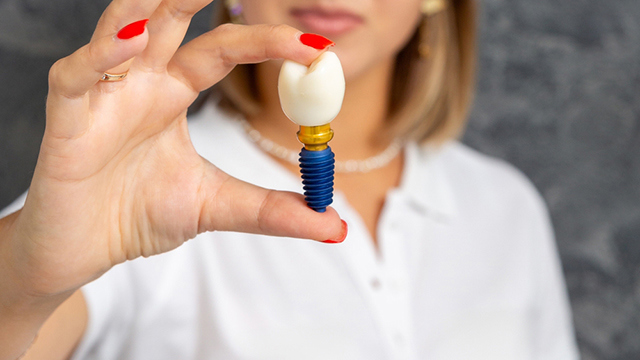
This is Dongdaemun Dental Clinic's standard implant treatment: a titanium implant is placed in the jaw to serve as an artificial tooth root, then restored with an abutment and crown.
Schedule a ConsultationDongdaemun Dental Implants
Medically reviewed by Dr. Kim Jeong-chan, Representative Director and Head Dentist, Dongdaemun Dental Clinic, Seoul
This is Dongdaemun Dental Clinic's standard implant treatment: a titanium implant is placed in the jaw to serve as an artificial tooth root, then restored with an abutment and crown. The clinic builds this procedure around strong fixation, integrating the implant and abutment, and using components it developed itself, with the stated aim that an implant, once placed, lasts long-term — "a lifetime."
In the Doctor's Words
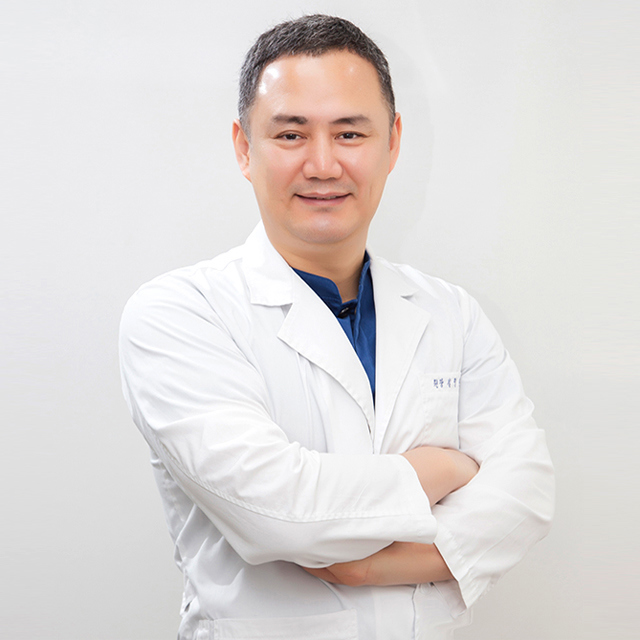
Dr. Kim Jeong-chan
Representative Director, Dongdaemun Dental Clinic
Dr. Kim Jeong-chan, who has 30 years of clinical experience in implant surgery and has performed more than 21,588 cumulative implant procedures, frames the clinic's approach directly: "Thirty years in one place is only possible with real skill. Almost every dental clinic now places implants, but few can perform implant re-surgery. A failed implant needs a more complex, meticulous process and far greater experience." That statement sets the tone for how this specific service is built — not around placing an implant quickly, but around making sure it does not need to be revisited.
Who This Treatment Is For
Best candidates are patients who need dental implants, particularly those seeking implant repair or re-surgery because of problems with an existing implant — implant movement, broken screws or connection parts, or screw loosening. The clinic also positions this treatment for patients seeking a stable, long-term restoration rather than the fastest available option.
The American Academy of Periodontology's general candidacy guidance applies as a starting point: a good implant candidate is in good general and oral health, has adequate bone in the jaw to support the implant, and has healthy gum tissue free of periodontal disease. Where bone is insufficient, that does not automatically rule out treatment, since grafting and augmentation options exist.
What a Dental Implant Actually Replaces
A dental implant replaces the root of a missing tooth, not just the visible crown. The American Academy of Periodontology describes two principal implant types. Endosteal implants are placed into the jawbone itself and are the most common form, taking the shape of screws, cylinders, or blades, with each fixture supporting one or more prosthetic teeth. Subperiosteal implants sit on top of the jaw with a metal framework whose posts protrude through the gum, generally reserved for patients who cannot wear conventional dentures and lack the bone height for an endosteal implant.
A few mechanical points set realistic expectations before treatment: the implant is a structural replacement for a tooth root, not a cosmetic overlay on an existing tooth; it is intimately connected with both the soft tissue of the gums and the underlying bone, which is why gum health is inseparable from implant success; and once restored, it requires the same daily brushing and flossing as a natural tooth.
Consultation and Treatment Planning
Initial contact generally runs through phone, KakaoTalk, an online consultation board, or online booking. At the clinic, examination uses the CEREC Primescan 3D scanner alongside imaging to reach a diagnosis and build a treatment plan specific to the patient's jaw and gum condition. Because this specific service is oriented around patients with existing implant problems as well as first-time implant patients, that examination step also screens for movement, loosening, or connection damage in any implant already in place.
Who Is Not Immediately Suitable
Where the jaw does not currently have enough bone, the AAP notes that does not automatically rule out treatment: sinus augmentation can raise the sinus floor and develop bone in the upper back jaw, and ridge modification can fill a deficient ridge with bone or bone substitute. Patients with these needs are directed toward this clinic's bone-graft and bone-regenerating implant services rather than being turned away outright.
The Clinic's Approach: Strong Fixation First
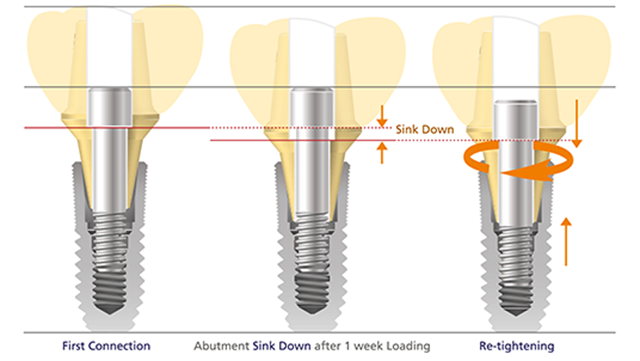
Dongdaemun Dental Clinic's implant method is organized around fixation and the implant–abutment connection, which is where a number of long-term implant problems begin. The approach centers on:
Strong fixation of the implant within the bone.
An integrated implant and abutment design, reducing the number of separate interfaces that can loosen or fracture.
Firm tightening of the implant screw through a temporary-crown stage, so the connection stabilizes progressively rather than being finalized in one step.
Direct attention to connection-area problems, treated as a design question rather than only a maintenance question.
The clinic participates directly in research related to implant manufacturing, surgery, and prosthetics, and uses an implant system it developed itself. Its in-house dental laboratory, operating since 2003, keeps component fabrication inside the practice rather than outsourced.
Technology Used
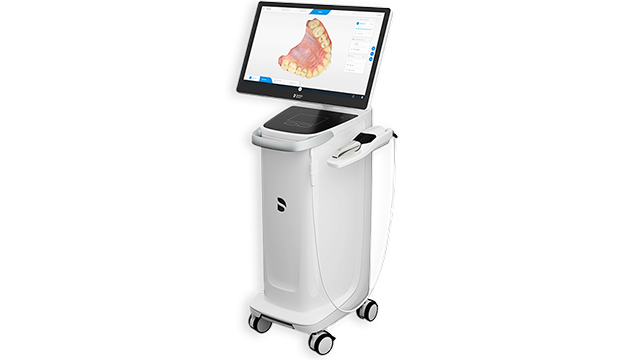
The clinic uses the CEREC Primescan digital 3D intraoral scanner from Dentsply Sirona, which digitizes the impression process for greater treatment precision, reduces treatment time, and minimizes the discomfort associated with traditional impression materials.
What This Approach Is Designed to Address
The clinic identifies a specific set of implant problems as the focus of this method:
Implant fracture.
Broken screws.
Broken connection parts.
Screw loosening.
These are mechanical failures at or around the implant–abutment junction, distinct from biological failure of the surrounding tissue. On the biological side, the AAP notes that implants — like natural teeth — require conscientious at-home care and regular dental visits to preserve function and help prevent peri-implant disease, the inflammatory conditions that affect the gum and bone around an implant.
Results and What the Clinic Claims
The clinic states that its implant treatment and repair method is designed to provide a maintenance period of approximately 20 years, and that patients who underwent re-treatment have reportedly experienced comfortable daily life for around 20 years without significant problems after surgery. The stated ultimate goal is that an implant, once placed, lasts a lifetime.
Two qualifications belong alongside that claim: individual longevity varies by patient, and this is the clinic's own reported outcome for its own method, not an independently published survival figure. Patients evaluating this claim should treat it the way they would any single provider's reported result — informative, but not a substitute for an independently published, peer-reviewed survival study across a large patient population.
Watching for Peri-Implant Disease
The AAP describes peri-implant diseases as inflammatory conditions affecting the gum and, in more advanced cases, the bone around a dental implant — the implant equivalent of gum disease around a natural tooth. Because implants are anchored directly in bone rather than held by a natural periodontal ligament, problems in this tissue can progress before they are obviously painful, which is one reason the clinic frames follow-up visits as part of the treatment rather than an optional extra. Reporting any looseness, bleeding, or swelling around the implant promptly, rather than waiting for the next scheduled visit, is consistent with AAP guidance on catching peri-implant problems early.
Aftercare
Following implant placement, the AAP advises that the periodontist works with the patient and their general dentist to develop a care plan, with periodic follow-up visits scheduled to monitor the implant, teeth, and gums. Daily brushing and flossing around the restored implant is the same as for a natural tooth — it is not optional simply because the tooth is artificial.
Combining Treatment When Needed
Depending on the specific condition, a treatment plan may be tailored around more than one step. The AAP outlines several situations that call for combination treatment: a single missing tooth is replaced with one implant; several missing teeth are replaced with multiple implants; all teeth missing calls for full-mouth implants; insufficient bone in the upper back jaw calls for sinus augmentation before placement; and deformity or deficiency of the jaw ridge calls for ridge modification before placement. Patients whose case involves any of these can expect their consultation to route them toward the clinic's bone-graft, bone-regenerating, or full-mouth reconstruction services alongside this one.
Planning Your Visit as a US or International Patient
US patients typically fly into Incheon (ICN) or Gimpo (GMP), with direct flights from many US hubs taking roughly 13–15 hours; from Incheon, the clinic is reachable by AREX train plus subway to Dongdaemun Station (Lines 1 and 4), Exit 9. US passport holders can generally enter Korea visa-free for short stays via K-ETA — confirm current requirements before booking.
The two questions the clinic addresses most directly for international patients are dentist qualifications (all SNU-trained; Dr. Kim is a former SNU Dental Hospital adjunct professor) and English-language support (a dedicated translation service in English, Japanese, and Chinese). Phone contact is available during clinic hours (KST) for follow-up questions after returning home.
Why Dongdaemun Dental Clinic
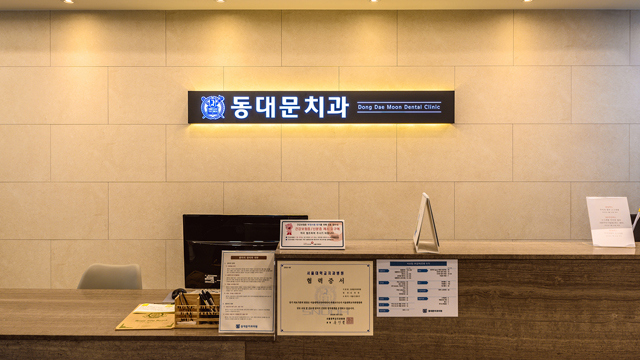
Led by Dr. Kim Jeong-chan, a Seoul National University-trained periodontist with 30 years of implant surgery experience.
An in-house dental laboratory operating since 2003, keeping fabrication under the clinic's own control.
Digital 3D intraoral scanning to reduce impression error and improve precision.
Over 75% of new patients arrive by referral.
English, Japanese, and Chinese translation service for international patients.
The Bottom Line
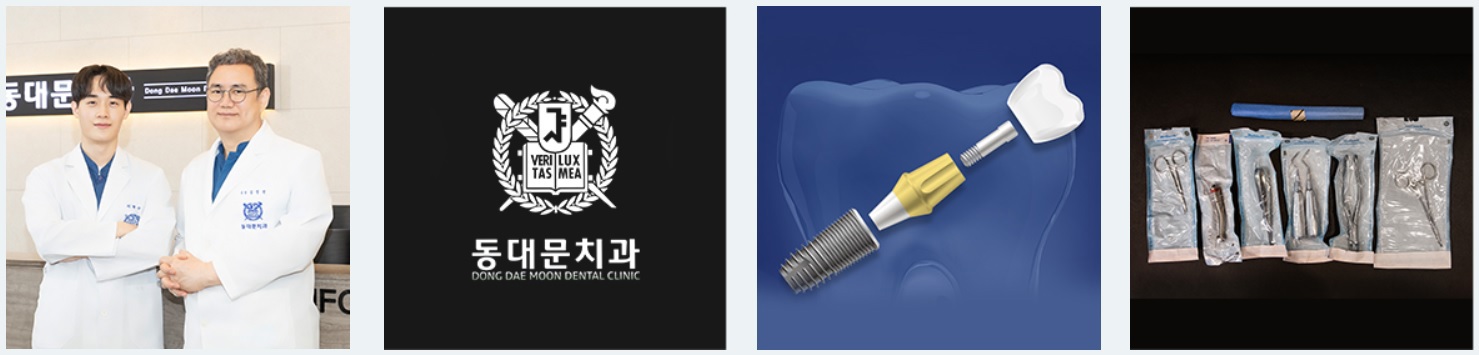
This is the clinic's standard implant procedure, built around strong fixation and an integrated implant-abutment design.
Dr. Kim Jeong-chan leads treatment, drawing on 30 years of implant surgery experience.
The method specifically targets implant fracture, broken screws, connection fractures, and screw loosening.
The clinic reports an approximately 20-year maintenance period for its method; individual longevity varies.
Regular follow-up and daily hygiene remain necessary regardless of how the implant was placed.
Frequently Asked Questions
What makes this different from a standard implant elsewhere? The emphasis on strong fixation and an integrated implant-abutment design, with the screw tightened firmly through a temporary-crown stage, is specifically intended to reduce the mechanical failures — screw loosening, connection fracture — that cause problems with implants placed elsewhere.
Am I a candidate? The AAP describes a good candidate as someone in good general and oral health with adequate jawbone and healthy gum tissue. This clinic specifically also treats patients whose existing implants have failed or loosened.
How long will it last? The clinic states a maintenance goal of approximately 20 years for its method, with reported patient outcomes around that mark. This is the clinic's own reported figure, and individual results vary.
What technology is used? The CEREC Primescan digital 3D intraoral scanner, which reduces reliance on conventional impression materials and improves fit precision.
Who performs this treatment? Dr. Kim Jeong-chan, Representative Director and Head Dentist, an SNU-trained periodontist with 30 years of implant experience.
What aftercare is required? The same daily brushing and flossing as a natural tooth, plus regular follow-up visits so the implant, teeth, and gums can be monitored over time.
What if my jaw doesn't have enough bone? That does not automatically rule out treatment. Sinus augmentation can raise the sinus floor and develop bone in the upper back jaw, and ridge modification can fill a deficient ridge — both are established options before implant placement, and the clinic's bone-graft and bone-regenerating implant services cover exactly this situation.
Is this the same as a full-mouth reconstruction? No. This is the clinic's standard single- or multiple-implant treatment. Patients missing most or all of their teeth are typically directed toward the clinic's full-mouth reconstruction service, which is planned and staged differently.
Can this treatment fix an implant placed somewhere else? Yes — this is one of the clinic's stated focus areas. Patients arriving with an existing implant that moves, has a loosened or broken screw, or has fractured connection parts are specifically the group this method addresses, through evaluation of the existing hardware before any repair or replacement.
Book a Consultation at Dongdaemun Dental Clinic
To find out whether this implant approach is right for you, contact Dongdaemun Dental Clinic in Seoul. The clinic is open Monday to Friday 10:00 AM–6:00 PM KST with a lunch break from 12:00 PM to 1:00 PM, and Saturday 10:00 AM–2:00 PM KST, closed Sundays and public holidays. Enquire through the contact page or by telephone on +82-2-2268-9529.
Disclaimer
This page is for general informational purposes and does not constitute individualized medical advice. Candidacy, technique, and expected outcomes can only be determined through a consultation with a qualified dentist.
Sources & Further Reading
Other Services
Explore additional dental treatments offered by our specialists.
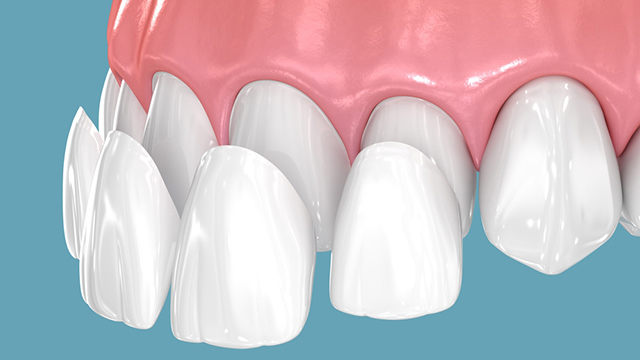
Laminate (Veneers)
Laminate veneers are thin, custom shells — usually ceramic — bonded to the front surface of teeth to improve their color, shape, size, or minor alignment, mainly in the visible smile zone.
Learn More

Bone-Regenerating Implants
Bone-regenerating implants involve a bone transplant procedure that adds bone material to areas with insufficient bone, helping create a suitable foundation for dental implant placement.
Learn More
Bone Graft Implants
Bone graft implant treatment addresses one of the most common obstacles to getting a dental implant: not having enough bone to hold one securely.
Learn More