Trusted Dental Care in Seoul Since 1997 · SNU Dental Alumni · Multilingual Concierge

Dental Implants · Needs Clinic Confirmation
Full-Mouth Reconstruction with Implants
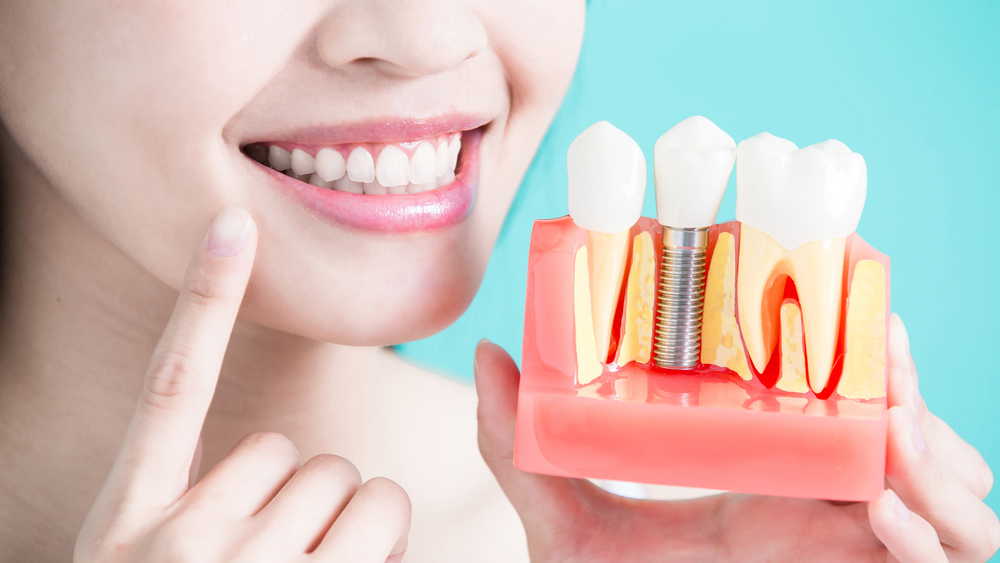
Full-mouth reconstruction with implants rebuilds an entire upper and/or lower arch of missing or failing teeth using multiple dental implants to support fixed bridges or a full arch of replacement teeth.
Schedule a ConsultationFull-Mouth Reconstruction with Implants
Medically reviewed by Dr. Kim Jeong-chan, Representative Director and Head Dentist, Dongdaemun Dental Clinic, Seoul
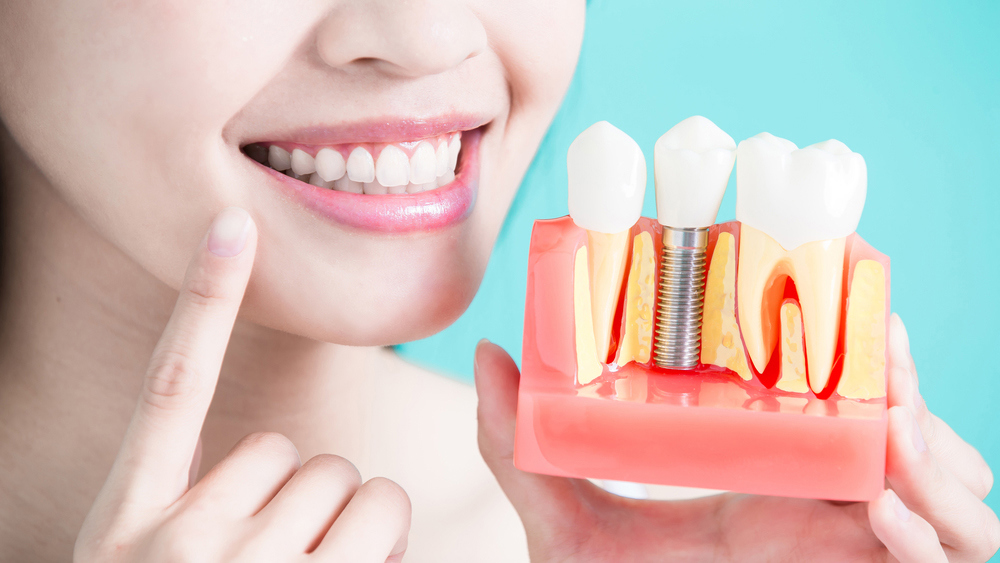
Full-mouth reconstruction with implants rebuilds an entire upper and/or lower arch of missing or failing teeth using multiple dental implants to support fixed bridges or a full arch of replacement teeth. It is used for patients who have lost most or all of their teeth, or who need a complete functional and aesthetic rebuild of the bite. As an implant-focused clinic with roughly 30 years of implant experience, Dongdaemun Dental Clinic performs this treatment using implant components it manufactures directly, together with a digital CEREC Primescan workflow.
Who This Treatment Is For
Suitable candidates generally have multiple missing or severely compromised teeth, adequate or treatable bone support, gums healthy enough to support surgery and healing, and medical conditions that can be appropriately controlled. This is not a treatment reserved only for patients who have already lost every tooth — it also applies to patients whose remaining teeth are so compromised by decay, periodontal disease, or previous failed restorations that a complete rebuild is a more predictable path than trying to save them piecemeal.
Why Patients Choose Full-Mouth Reconstruction Over Alternatives
Patients arrive at this decision from different starting points. Some have already lost most or all of their natural teeth and are currently relying on a removable denture that feels unstable, affects speech, or limits what they can comfortably eat. Others have a mouth full of failing restorations — old crowns, root-canaled teeth, and fillings all reaching the end of their functional life around the same time — and are weighing whether to keep treating individual teeth reactively or address the whole arch at once. A third group is dealing with the long-term consequences of untreated periodontal disease, where multiple teeth have become loose or been lost as bone support failed. Full-mouth reconstruction is relevant to all three situations, though the specific staging and bone-grafting needs differ considerably between them.
Who Should Wait or Seek Other Treatment First
Active uncontrolled gum disease, insufficient bone without willingness for augmentation, uncontrolled systemic illness, or an inability to maintain oral hygiene may make full-mouth reconstruction unsuitable, or may require stabilization first. None of these rule out treatment permanently — they generally mean addressing the underlying issue before or alongside the reconstruction plan, often through the clinic's periodontal, bone-graft, or bone-regenerating services.
Consultation and Diagnosis
Assessment normally includes a dental examination, medical and dental history review, X-rays and/or 3D imaging, evaluation of bone and gum condition, bite analysis, and development of a staged treatment plan. Because full-mouth reconstruction involves multiple implants working together as a system rather than isolated single-tooth replacements, this assessment has to account for how the whole arch will function once complete, not just whether each individual implant site is viable on its own.
How Treatment Proceeds
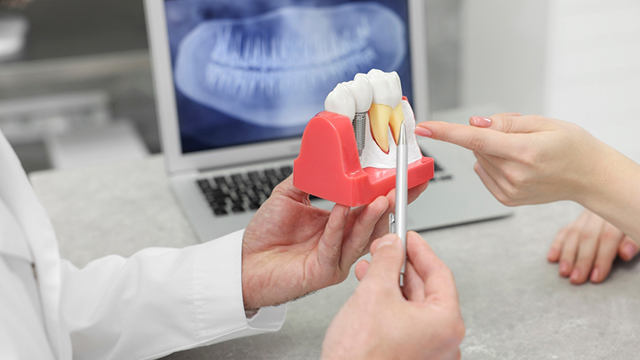
Treatment may involve removing unsalvageable teeth, treating infection or gum disease, bone grafting when necessary, placing implants, allowing healing, and fitting the final fixed restorations. In practical terms, this typically breaks down into stages:
Preparation — extraction of teeth that cannot be saved, treatment of active infection or gum disease, and any preliminary bone grafting the assessment identifies as necessary.
Implant placement — multiple implants placed according to the treatment plan, using the clinic's strong-fixation, integrated implant–abutment approach.
Healing — a period during which the bone integrates around the placed implants, generally taking several months.
Final restoration — fitting of the fixed bridges or full-arch replacement teeth once healing and integration are confirmed.
Local anesthesia is commonly used throughout, with sedation considered when clinically appropriate. Post-treatment discomfort is generally managed with prescribed or recommended medication and aftercare guidance specific to each stage.
Technology and Technique
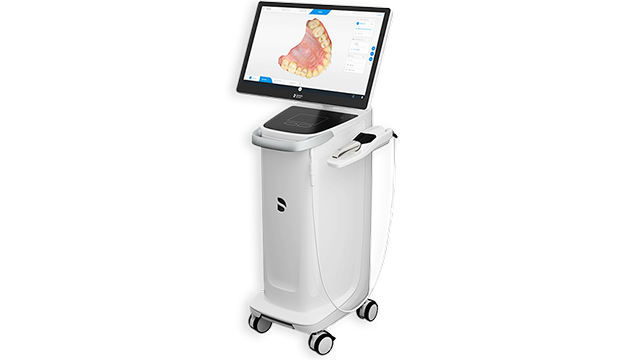
Dongdaemun Dental Clinic uses the CEREC Primescan digital 3D intraoral scanner from Dentsply Sirona to digitally scan the mouth, reducing the need for conventional impression materials and improving treatment precision — a benefit that compounds across a full-arch case, where multiple implants all have to work together with a single, accurately fitted prosthetic framework. The clinic's in-house dental laboratory supports fabrication of that framework under the practice's own control rather than through an external lab.
Treatment techniques emphasize specialized bone grafting, deep implant insertion methods, the clinic's Occlusal Stabilization Program, and advanced peri-implantitis prevention techniques developed through decades of clinical practice and research. For a full-arch case, occlusal stabilization is particularly relevant: getting the bite right across an entire reconstructed arch matters more, and is harder to correct after the fact, than adjusting a single restored tooth.
Fixed Bridges Versus a Full-Arch Prosthesis
Full-mouth reconstruction with implants generally results in one of two broad restoration types, and the choice depends on how many implants the assessment supports and what the patient's anatomy and goals call for. A series of implant-supported fixed bridges divides the arch into segments, each supported by its own set of implants — this can distribute load across more implant sites and allows for staged treatment if needed. A full-arch fixed prosthesis, by contrast, uses a smaller number of strategically placed implants to support one continuous restoration spanning the whole arch, which can reduce the total number of implants required but places more functional demand on each one. Both are legitimate paths to the same underlying goal — a fixed, non-removable replacement for a full arch of teeth — and the right choice is determined by your specific bone condition, implant count, and functional needs rather than a default preference for one over the other.
Benefits and Realistic Outcomes
Potential benefits include improved chewing, dental stability, appearance, speech, and overall oral function. Results depend on bone quality, gum health, implant integration, restoration design, hygiene, and long-term maintenance — a full-mouth case has more variables than a single-implant case, and the clinic frames outcomes accordingly rather than promising an identical result for every patient.
Risks and Complications
Possible complications include swelling, pain, infection, bleeding, implant failure, nerve or sinus complications, peri-implant disease, bite problems, and restoration damage or wear. Because full-mouth reconstruction typically involves more surgical sites and a longer overall treatment arc than a single implant, the cumulative chance of encountering at least one of these issues across the whole process is naturally higher than for a single-tooth case — which is exactly why careful staging, bone grafting where needed, and the clinic's occlusal stabilization step are built into the plan rather than treated as optional add-ons.
Why Experience Matters More at This Scale
A single-implant case has one variable to get right: the placement and integration of that one implant. A full-arch case multiplies the number of decisions that all have to work together correctly — implant number, position, angulation, bone quality at each site, and how the eventual prosthetic framework distributes force across every implant simultaneously. Dr. Kim Jeong-chan's roughly 30 years of implant experience, concentrated significantly in complex and revision cases rather than routine single-tooth placement, is directly relevant here: the deep implant insertion methods and specialized bone-grafting techniques the clinic applies to full-mouth cases were developed through exactly this kind of higher-complexity work, not adapted after the fact from simpler procedures.
Recovery Timeline
Healing varies by patient and by the specific procedures involved. Implant integration commonly takes several months; grafting or more extensive reconstruction can extend the overall timeline further. Patients should expect this to be measured in months rather than weeks, with clearly defined stages rather than a single recovery period covering the entire treatment.
Preparing for Treatment
Patients generally undergo medical and dental assessment, imaging, treatment of any infection or gum disease when required, a review of current medications, and planning for temporary teeth during the staged process. That last point matters in practice — most full-mouth reconstruction plans include some form of temporary restoration so the patient is not without functional teeth during the healing period between stages.
Aftercare
Aftercare includes careful oral hygiene, following dietary instructions specific to each stage of treatment, taking prescribed medication as directed, avoiding smoking, and attending scheduled follow-ups and professional maintenance. Smoking in particular is worth flagging directly: it is a widely recognized factor that can slow healing and compromise implant integration, which matters more in a full-arch case where multiple implants are all depending on successful integration simultaneously.
Maintaining a Full-Arch Restoration Long Term
Daily maintenance of a full-arch implant restoration is different in scale, though not in principle, from maintaining a single implant. Cleaning under and around a fixed bridge or full-arch prosthesis requires specific tools and technique — interdental brushes, floss threaders, or a water flosser designed to reach beneath a fixed restoration — that a general dentist or hygienist can guide the patient through once treatment is complete. Regular professional maintenance visits matter more, not less, at this scale: with multiple implants supporting a single connected restoration, a problem developing around even one implant can affect the stability of the whole structure if it goes unnoticed for too long.
Results Timeline and Longevity
Function and appearance improve progressively as treatment is completed rather than all at once. Implants can provide long-term service, but lifelong hygiene, professional monitoring, and maintenance are essential — a full-arch restoration represents a larger investment than a single implant, and protecting that investment depends on the same daily habits that matter for any implant, applied consistently across the whole reconstructed arch.
Duration and Visit Requirements
Extensive full-mouth reconstruction usually requires multiple visits over several months. The exact number and timing depend on extractions, grafting, implant placement, healing, and prosthetic stages — international patients in particular should expect this to be a multi-visit process planned around the biological healing timeline rather than a single extended stay.
What Claims to Expect — and Not Expect
Appropriate claims for this treatment are limited to evidence-supported statements such as restoration of missing teeth and improvement of chewing and oral function. Claims guaranteeing results, permanent success, or suitability for absolutely everyone should be treated with skepticism regardless of which provider is making them — full-mouth reconstruction is a major undertaking with real variability in outcome depending on individual biology and case complexity.
Why Dongdaemun Dental Clinic
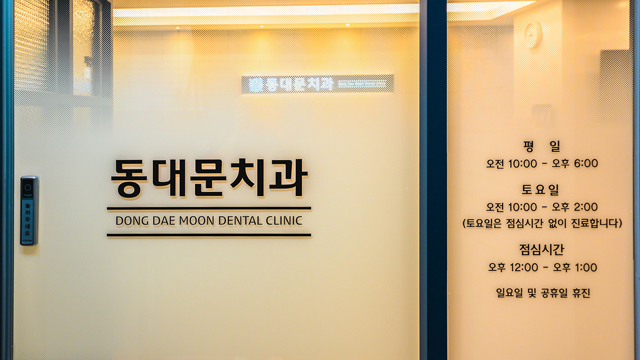
Roughly 30 years of implant experience, concentrated in complex and revision cases.
Specialized bone grafting and deep implant insertion methods developed through decades of clinical practice.
The clinic's Occlusal Stabilization Program integrated into full-arch treatment planning.
Implant components manufactured in-house, with an in-house dental laboratory operating since 2003.
Advanced peri-implantitis prevention techniques built into the broader treatment approach.
Planning Your Visit as a US or International Patient
Because full-mouth reconstruction is inherently staged over months rather than completed in a single visit, international patients need a realistic multi-trip or extended-stay plan rather than assuming this matches the timeline of a simpler procedure. US patients typically fly into Incheon (ICN) or Gimpo (GMP), with direct flights from many US hubs taking roughly 13–15 hours; from Incheon, the clinic is reachable by AREX train plus subway to Dongdaemun Station (Lines 1 and 4), Exit 9. US passport holders can generally enter Korea visa-free for short stays via K-ETA — confirm current requirements well before booking a case of this scale.
Given the extended timeline, coordinating with the clinic on the number of visits, timing between stages, and what can realistically be handled remotely versus in person is worth doing early in the planning process, before travel is booked. English, Japanese, and Chinese translation service is available throughout, and phone contact is available during clinic hours (KST) for questions between visits.
Full-mouth reconstruction is best approached as a partnership between patient and clinic that spans months, not a single procedure completed in one appointment.
The Bottom Line
Full-mouth reconstruction rebuilds an entire arch using multiple implants to support a fixed restoration.
Candidates include patients missing most or all teeth, or whose remaining teeth are too compromised to save individually.
Treatment runs through preparation, implant placement, healing, and final restoration as distinct stages.
The clinic's occlusal stabilization and bone-grafting expertise are built into full-arch planning specifically.
This is a multi-month, multi-visit process; international patients should plan accordingly rather than expecting a single trip.
Frequently Asked Questions
How is this different from getting several individual implants? Full-mouth reconstruction treats the whole arch as one interconnected system — implant number and placement, bite relationship, and prosthetic design are all planned together, rather than deciding on each tooth independently.
Will I be without teeth during treatment? Most plans include some form of temporary restoration between stages so you are not left without functional teeth during healing, worked out specifically for your case during planning.
How long does the whole process take? Multiple visits over several months is typical, with exact timing depending on extractions, grafting, implant placement, healing, and the prosthetic stage. The clinic sets out a staged schedule once your assessment is complete.
What if I have significant bone loss already? Bone grafting is one of the clinic's specialized techniques within this treatment, and is planned as part of the reconstruction where needed rather than treated as a separate, unrelated procedure.
Is my bite considered as part of this, or just the teeth themselves? Occlusal stabilization is built into full-arch treatment planning specifically because getting the bite right across an entire reconstructed arch is central to whether the final result functions well long-term.
How many implants will I need? This depends entirely on your specific case — the number and placement of implants is determined by your assessment, planned to support the type of fixed restoration (bridge or full-arch prosthesis) recommended for your situation.
What can go wrong, and how does the clinic try to prevent it? Possible complications include infection, implant failure, nerve or sinus issues, and bite problems. The clinic's staged approach, bone grafting where indicated, deep implant insertion techniques, and occlusal stabilization are specifically intended to reduce these risks across a complex, multi-implant case.
Should I choose fixed bridges or a full-arch prosthesis? That depends on your bone condition, how many implant sites are viable, and your functional goals. Your assessment will determine which approach — or a combination — best fits your case; neither is universally superior to the other.
Can I combine this with treatment for an existing failed implant? Yes. Where a patient has both failing natural teeth and a previously placed implant with problems, the clinic's implant repair and revision expertise is incorporated into the same overall reconstruction plan rather than treated as a separate, unrelated process.
What if my current dentures no longer fit well? That is one of the more common starting points for this treatment. Your assessment will evaluate whether your existing bone and gum condition can support implants directly, or whether grafting is needed first.
Book a Consultation at Dongdaemun Dental Clinic
To discuss whether full-mouth reconstruction is right for your situation, contact Dongdaemun Dental Clinic in Seoul. The clinic is open Monday to Friday 10:00 AM–6:00 PM KST with a lunch break from 12:00 PM to 1:00 PM, and Saturday 10:00 AM–2:00 PM KST, closed Sundays and public holidays. Enquire through the contact page or by telephone on +82-2-2268-9529.
Disclaimer
This page is for general informational purposes and does not constitute individualized medical advice. Candidacy, technique, and expected outcomes can only be determined through a consultation with a qualified dentist.
Sources & Further Reading
Other Services
Explore additional dental treatments offered by our specialists.
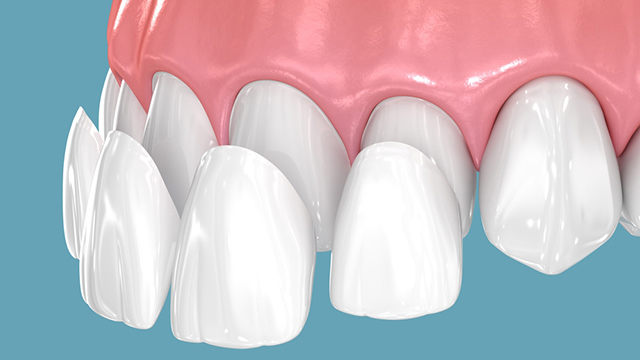
Laminate (Veneers)
Laminate veneers are thin, custom shells — usually ceramic — bonded to the front surface of teeth to improve their color, shape, size, or minor alignment, mainly in the visible smile zone.
Learn More
Bone-Regenerating Implants
Bone-regenerating implants involve a bone transplant procedure that adds bone material to areas with insufficient bone, helping create a suitable foundation for dental implant placement.
Learn More
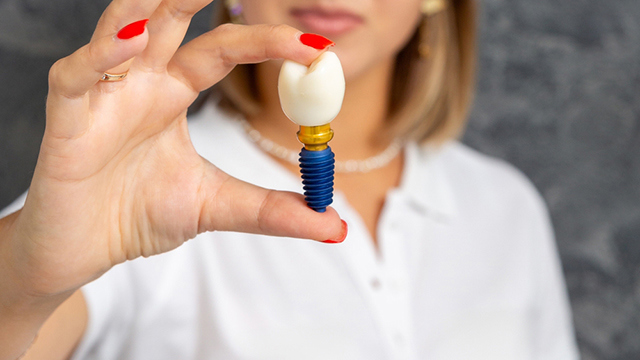
Bone Graft Implants
Bone graft implant treatment addresses one of the most common obstacles to getting a dental implant: not having enough bone to hold one securely.
Learn More