Trusted Dental Care in Seoul Since 1997 · SNU Dental Alumni · Multilingual Concierge


Periodontics & Gum Care · Needs Clinic Confirmation
Gum Contouring & Reshaping Surgery
Gum contouring and reshaping surgery is a dental procedure designed to reshape excess or uneven gum tissue surrounding the teeth, correcting proportions that can make otherwise healthy teeth look shorter or uneven than t
Schedule a ConsultationGum Contouring & Reshaping Surgery

Medically reviewed by Dr. Kim Jeong-chan, Representative Director and Head Dentist, Dongdaemun Dental Clinic, Seoul
Gum contouring and reshaping surgery is a dental procedure designed to reshape excess or uneven gum tissue surrounding the teeth, correcting proportions that can make otherwise healthy teeth look shorter or uneven than they actually are. Dentists perform this treatment to improve the symmetry of the gum line, expose more natural tooth structure, and create a balanced smile at Dongdaemun Dental Clinic.
Why Patients Seek This Treatment
US patients may request this procedure to address a "gummy smile," uneven gum lines, or teeth that appear short because of excess gum tissue. The concern is usually cosmetic and specific: patients often point to a photograph or a moment of self-consciousness in a smile as the reason they sought treatment, rather than describing a functional problem.
What Causes a Gummy Smile
A gummy smile can arise from several distinct causes, and telling them apart is the whole point of the consultation step. Excess or overgrown gum tissue covering more of the tooth than proportionally expected is the cause this specific procedure treats directly. A short upper jaw or excessive vertical growth of the jawbone can also make gums appear more prominent, which is a skeletal issue rather than a soft-tissue one and would require a different treatment approach entirely. A hyperactive upper lip that rises higher than average when smiling is a third possible cause, again unrelated to the gum tissue itself. Because these three causes look similar to an untrained eye but call for entirely different treatments, an accurate diagnosis before any procedure is genuinely important — not a formality.
Who Is a Good Candidate
Generally suitable for patients with excessive or uneven gum tissue who have healthy gums and realistic aesthetic expectations. Patients with untreated gum disease, active oral infection, poor healing conditions, or cases where the appearance is caused primarily by bone, tooth position, or lip movement may not be suitable for gum contouring alone — these underlying causes need to be identified first, since reshaping gum tissue will not correct a smile issue rooted in bone or jaw structure.
Consultation and Diagnosis
Examination normally assesses gum health, tooth proportions, the gum-to-tooth relationship, smile line, and the underlying causes of excess gum display before treatment planning. This diagnostic step is what separates a straightforward gum-tissue case from one where the "gummy" appearance actually originates somewhere else in the bite or jaw — a distinction that determines whether gum contouring alone will achieve the result the patient wants.
How the Procedure Works
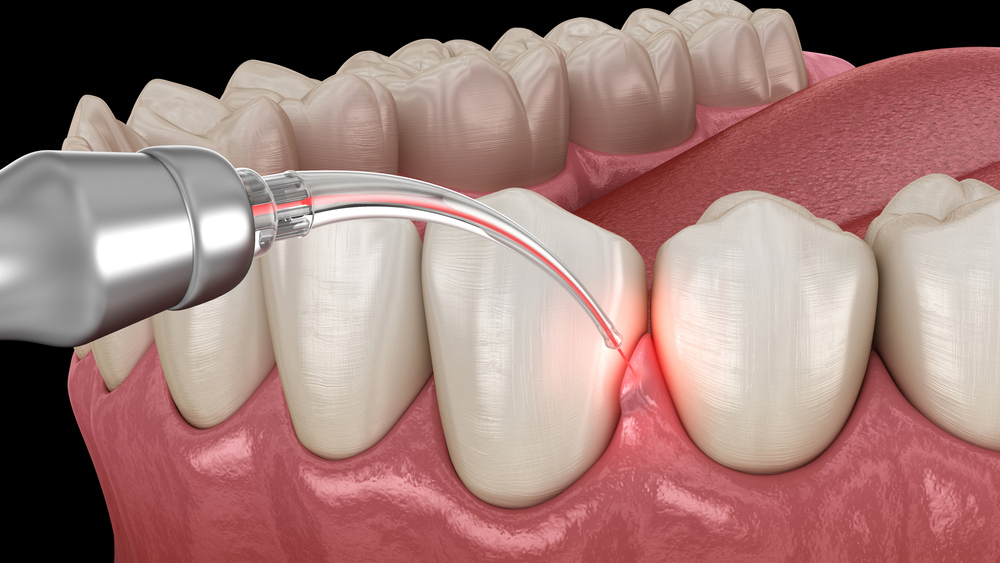
Numbing the treatment area with local anesthesia.
Marking the planned gum line based on the diagnostic assessment.
Removing or reshaping excess tissue carefully along that plan.
Refining the gum margins for a symmetrical result.
Providing post-operative instructions before the patient leaves.
Local anesthesia is commonly used, and mild soreness after treatment can generally be managed with appropriate pain medication and aftercare. Specific technique details vary depending on whether a laser or traditional instrument approach is chosen, based on individual soft-tissue thickness and patient needs.
Technology Used
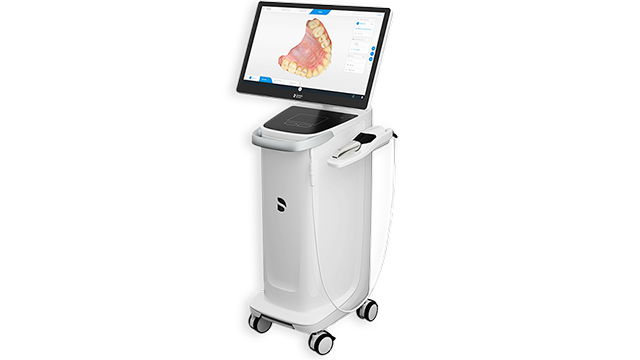
The clinic uses the CEREC Primescan 3D intraoral scanner (Dentsply Sirona) clinic-wide for digital scanning, supported by its in-house dental laboratory. For a cosmetic procedure like this, precise digital mapping of the existing gum line and tooth proportions before treatment helps plan a symmetrical result rather than relying on visual estimation alone.
Benefits
Benefits include improved smile symmetry, increased tooth visibility, easier oral hygiene maintenance around a more evenly contoured gum line, and immediate aesthetic enhancement of the gum line once healing progresses.
Laser Versus Traditional Technique
The choice between a laser and a traditional instrument approach depends on individual soft-tissue thickness and the patient's specific needs, rather than one method being a universal default. Laser techniques can offer more precise, controlled tissue removal with reduced bleeding during the procedure itself, which some patients and practitioners prefer for fine cosmetic contouring. A traditional instrument approach remains a well-established option, particularly where a larger amount of tissue needs to be reshaped. The clinic determines which approach fits a given case as part of treatment planning, rather than the patient needing to request one over the other in advance.
Risks and Side Effects
Possible effects include temporary pain, swelling, bleeding, sensitivity, infection, uneven gum margins, gum recession, or removal of more tissue than intended. As with any cosmetic surgical procedure, the outcome depends significantly on the skill and planning behind the initial marking and reshaping steps — which is why the diagnostic assessment of tooth proportions and smile line matters as much as the surgical technique itself.
Recovery Timeline
Initial discomfort and swelling generally improve over several days, while soft-tissue healing and the final gum-line appearance can take longer to fully settle. Patients should expect the immediate post-treatment appearance to look somewhat different from the final healed result.
Preparing for Treatment
A dental examination and gum-health assessment are normally required. Existing gum inflammation or infection should generally be treated before cosmetic reshaping — attempting cosmetic surgery on actively inflamed tissue both complicates the procedure and risks a less predictable healed outcome.
Aftercare
Follow the clinic's oral-hygiene instructions, avoid irritating foods while healing, use recommended rinses or medication, and attend follow-up appointments. Because the gum margin is actively remodeling during healing, more careful-than-usual hygiene around the treated area — without aggressive brushing that could disturb healing tissue — is typically advised for the initial period.
Results Timeline and Longevity
The gum line becomes clearer as healing progresses. Properly treated tissue can provide long-lasting results, although gum position can change with gum disease, inflammation, aging, or other factors over time — meaning the cosmetic result, while durable, is not necessarily permanent if underlying gum health is not maintained afterward.
Duration and Visit Requirements
The procedure usually takes one session lasting between forty-five minutes and two hours, followed by a single follow-up visit to evaluate tissue healing. This is a comparatively contained treatment in visit terms compared with other periodontal procedures at the clinic, which matters for international patients working around a limited stay.
Why Dongdaemun Dental Clinic
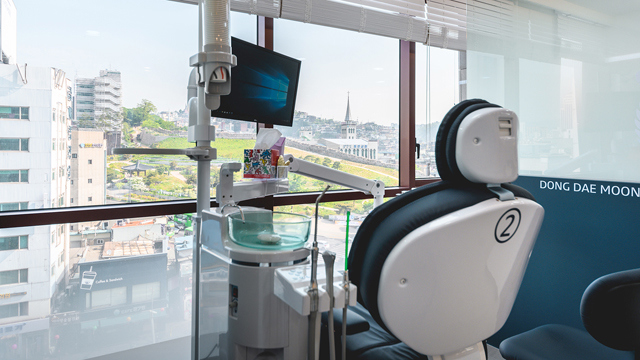
CEREC Primescan digital scanning for precise pre-treatment mapping of gum line and tooth proportions.
In-house dental laboratory supporting any related restorative work.
Diagnostic assessment that distinguishes true gum-tissue excess from bone- or bite-related causes of a gummy smile.
Seoul National University-trained dentists.
English, Japanese, and Chinese translation service for international patients.
Planning Your Visit as a US or International Patient
This procedure's relatively short visit requirement — one session plus a single follow-up — makes it more compatible with a shorter international trip than some of the clinic's other periodontal or restorative services. US patients typically fly into Incheon (ICN) or Gimpo (GMP), with the clinic reachable via AREX train plus subway to Dongdaemun Station (Lines 1 and 4), Exit 9; K-ETA generally allows visa-free entry for short stays for US passport holders, subject to confirming current requirements. English, Japanese, and Chinese translation service is available throughout.
Setting Realistic Expectations
Appropriate claims for this treatment are limited to reshaping excess or uneven gum tissue and improving gum-line symmetry or smile aesthetics — claims guaranteeing a particular cosmetic result should be treated with skepticism. Every patient's gum tissue, tooth proportions, and healing response are different, and the final result depends on the accuracy of the initial diagnostic assessment as much as the surgical execution itself — which is precisely why the consultation step is not skipped or shortened even for a procedure this contained.
The Bottom Line
Gum contouring reshapes excess or uneven gum tissue to improve smile symmetry and expose more natural tooth structure.
Diagnosis first confirms the cause is gum tissue itself, not bone, tooth position, or lip movement.
The procedure typically takes one session of 45 minutes to 2 hours, plus a single follow-up visit.
Results are generally long-lasting but not guaranteed permanent, since gum position can change over time.
Existing gum disease or infection is treated first, before cosmetic reshaping begins.
Frequently Asked Questions
Will this fix my gummy smile completely? That depends on the underlying cause. If excess gum tissue is the primary factor, this procedure directly addresses it; if bone, tooth position, or lip movement contribute, those factors need separate evaluation and treatment.
How long is recovery? Initial discomfort and swelling generally improve within several days, though the final gum-line appearance can take longer to fully settle as tissue continues healing.
Is this painful? Local anesthesia is used during the procedure, with mild soreness afterward generally manageable with medication and aftercare.
Will the results last? Properly treated tissue can provide long-lasting results, though gum position can change over time with gum disease, inflammation, or aging, so maintaining gum health afterward matters.
Can I combine this with teeth whitening or veneers? Cosmetic gum reshaping is commonly planned before other cosmetic work like whitening or veneers, so those treatments can be planned around your finalized gum line rather than the reverse.
How many visits does this need if I'm traveling from the US? Typically one treatment session of 45 minutes to 2 hours, plus a single follow-up visit — a comparatively short visit requirement among the clinic's periodontal services.
What if my gummy smile is actually caused by my jaw, not my gums? The consultation step is designed specifically to catch this. If your case involves a skeletal or lip-related cause rather than excess gum tissue, gum contouring alone would not address the underlying issue, and your dentist would discuss more appropriate options.
Is this the same as a "smile makeover"? It can be one component of a broader cosmetic plan, but it specifically addresses the gum-tissue proportion of your smile. Other elements — tooth shape, color, or alignment — are separate treatments that may or may not be relevant to your case.
Will my gums grow back to how they were before? Properly treated tissue generally provides long-lasting results, though gum position can shift over time with gum disease, inflammation, or aging — maintaining good gum health after the procedure supports keeping the result stable.
Does insurance typically cover this procedure? Coverage for cosmetic gum contouring varies and should be confirmed with your own insurer; this is considered a cosmetic procedure in most cases rather than a medically necessary one.
Book a Consultation at Dongdaemun Dental Clinic
To discuss gum contouring for your smile, contact Dongdaemun Dental Clinic in Seoul. The clinic is open Monday to Friday 10:00 AM–6:00 PM KST with a lunch break from 12:00 PM to 1:00 PM, and Saturday 10:00 AM–2:00 PM KST, closed Sundays and public holidays. Enquire through the contact page or by telephone on +82-2-2268-9529.
Disclaimer
This page is for general informational purposes and does not constitute individualized medical advice. Candidacy, technique, and expected outcomes can only be determined through a consultation with a qualified dentist.
Sources & Further Reading
Other Services
Explore additional dental treatments offered by our specialists.
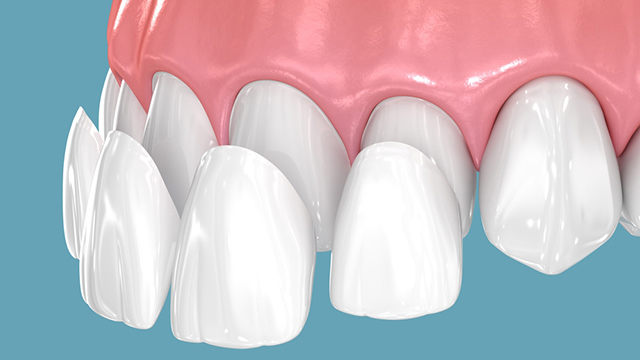
Laminate (Veneers)
Laminate veneers are thin, custom shells — usually ceramic — bonded to the front surface of teeth to improve their color, shape, size, or minor alignment, mainly in the visible smile zone.
Learn More
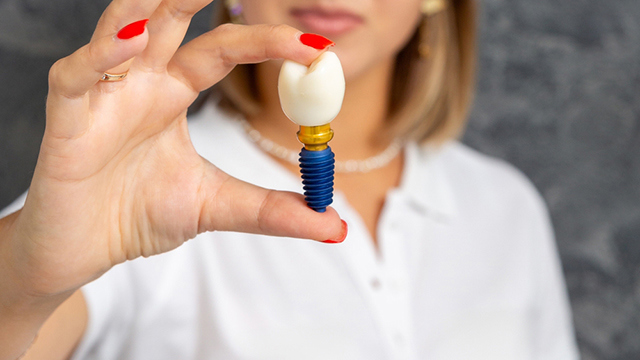
Bone-Regenerating Implants
Bone-regenerating implants involve a bone transplant procedure that adds bone material to areas with insufficient bone, helping create a suitable foundation for dental implant placement.
Learn More
Bone Graft Implants
Bone graft implant treatment addresses one of the most common obstacles to getting a dental implant: not having enough bone to hold one securely.
Learn More