Trusted Dental Care in Seoul Since 1997 · SNU Dental Alumni · Multilingual Concierge

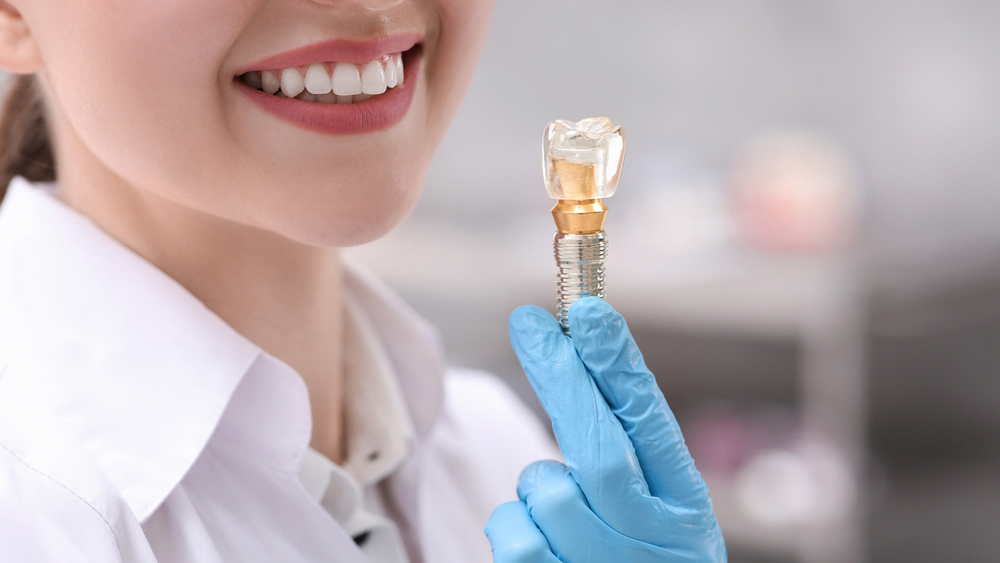
Dental Implants · Needs Clinic Confirmation
Implant Repair & Re-treatment
Implant repair and revision surgery treats problems with an existing implant.
Schedule a ConsultationImplant Repair & Revision Surgery
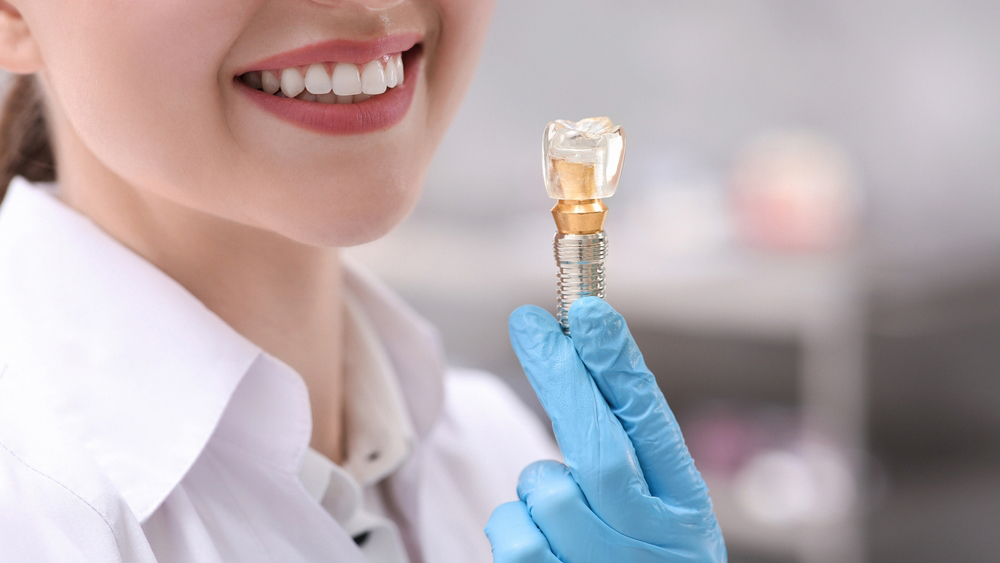
Medically reviewed by Dr. Kim Jeong-chan, Representative Director and Head Dentist, Dongdaemun Dental Clinic, Seoul
Implant repair and revision surgery treats problems with an existing implant. It involves evaluating the cause of the issue, repairing or removing the affected implant components, assessing the surrounding tissue and bone condition, and — if necessary — placing a new implant to restore function and stability. At Dongdaemun Dental Clinic, this is a specific area of concentration rather than a variation on routine placement.
Why This Is a Named Specialty Here
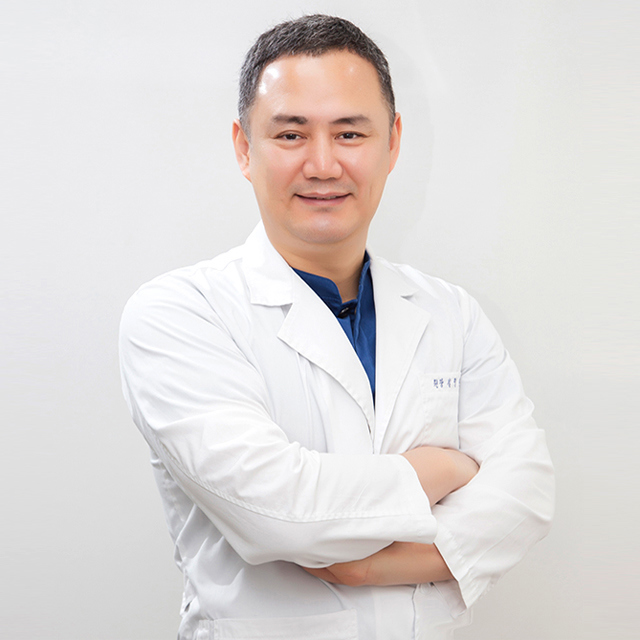
Dr. Kim Jeong-chan
Representative Director, Dongdaemun Dental Clinic
Dr. Kim Jeong-chan has performed more than 1,548 cumulative implant re-surgery and revision procedures — a caseload concentrated specifically in implant repair rather than spread across general implant placement. In his words: "Almost every dental clinic now places implants, but few can perform implant re-surgery. A failed implant needs a more complex, meticulous process and far greater experience." Revision work is more demanding than initial placement because the site has already been operated on, the bone may have changed, and the existing hardware has to be assessed before anything is replaced.
Who Needs This Treatment
The best candidates are patients who have problems with an existing implant — damage or complications affecting implant function, such as movement, a loosened or broken screw, or fractured connection parts. A proper evaluation is needed to determine the appropriate approach in each case. Patients who are not medically suitable for surgery, or whose oral condition cannot currently support implant treatment, may not be suitable candidates until those issues are addressed; a professional evaluation is required to confirm eligibility.
Revision Versus Routine Maintenance
Not every concern about an implant requires revision surgery. Routine maintenance — professional cleaning around the implant, minor bite adjustment, or tightening a slightly loose prosthetic screw — is a different, smaller intervention than the evaluation-driven repair process described here. The distinction matters for expectations: a patient calling about a "loose implant" may need a five-minute adjustment or a multi-stage revision, and the clinic's evaluation step exists specifically to tell the two apart rather than defaulting to the more invasive option.
Consultation and Diagnosis
The process starts with examining the condition of the existing implant, identifying the cause of the problem, and evaluating the surrounding oral tissue and bone to determine the appropriate treatment plan. This is a more involved diagnostic step than a first-time implant consultation, because it has to account for whatever already happened to the original implant, not just the current anatomy.
How the Procedure Proceeds
Evaluation of the existing implant and surrounding tissue.
Treatment of the damaged or problematic area.
Repair or replacement of the implant, depending on findings.
Restoration of function, with the goal of maintaining long-term oral stability.
The clinic uses the CEREC Primescan 3D intraoral scanner for impression-free digital scanning, its in-house dental laboratory, and implant components developed in-house by the director — the same directly manufactured system used across the clinic's implant work, with an approximately 20-year maintenance guarantee attached to it.
Appropriate anesthesia is used to help ensure comfort during the procedure, with pain management applied according to the patient's condition and treatment needs.
What Realistic Outcomes Look Like
The goal is to restore implant function, correct problems related to the previous procedure, and improve comfort and satisfaction. Realistic outcomes depend on the individual condition, implant status, and surgical complexity — successful revision can improve function, stability, and overall results, but it requires careful evaluation and follow-up care rather than a guaranteed fix.
Duration and the number of visits vary depending on the implant's condition and the required treatment plan. A detailed consultation and evaluation happens before surgery, followed by follow-up visits for recovery and monitoring.
When Revision Is the Right Path
Implant repair and revision surgery is considered when an existing implant has problems that cannot be resolved with simple treatments. The appropriate approach depends on the condition of the implant and surrounding tissue, with treatment options determined after evaluation rather than assumed in advance.
Signs You May Need This Service
Drawing on the clinic's broader implant-repair framing, patients typically arrive because of:
Implant movement — the implant itself feels loose or shifts.
Broken or loosened screws — the internal connection has failed mechanically.
Fractured connection parts — the joint between implant and abutment has cracked.
Peri-implantitis — inflammation and bone loss around the implant, which the American Academy of Periodontology describes as one of the inflammatory conditions that can affect the tissue around an implant if it is not properly maintained.
Planning Your Visit as a US or International Patient
Patients travelling specifically for implant repair are often responding to a failed or painful existing implant, or to a quote for revision work at home that felt prohibitively high — both are common trigger points the clinic recognizes among international inquiries. US patients typically fly into Incheon (ICN) or Gimpo (GMP), with direct flights from many US hubs taking roughly 13–15 hours; from Incheon, the clinic is reachable by AREX train plus subway to Dongdaemun Station (Lines 1 and 4), Exit 9. US passport holders can generally enter Korea visa-free for short stays via K-ETA — confirm current requirements before booking.
Bringing prior records matters more for revision cases than for first-time implants: X-rays or scans of the existing implant, notes on when and where it was placed, and a description of what has gone wrong all help the clinic's evaluation move faster once you arrive. Phone contact is available during clinic hours (KST) for follow-up questions after returning home, and English, Japanese, and Chinese translation service is available throughout the visit.
Comparing Revision With Other Options
Because a failing implant can sometimes be treated with a simpler intervention, and sometimes cannot, an honest revision-versus-replacement decision only follows the evaluation step — the clinic does not commit to a plan in advance of examining the existing implant, its connection components, and the surrounding bone. Patients who assume "loose implant" always means "new implant" are sometimes surprised that the connection or screw alone can be the fix.
Risk Reduction
The clinic's broader risk-reduction approach — strong fixation, integrated implant–abutment design, firm screw tightening through a temporary-crown stage, and a one-instrument-set-per-patient sterilization policy — applies to revision cases as it does to first-time placement, with the added step of assessing what specifically failed in the original treatment before repeating any part of the process.
Risks You Should Understand
Revision surgery carries its own risk profile, distinct from first-time placement. The American Academy of Periodontology notes that peri-implant diseases — the inflammatory conditions affecting the gum and, in more advanced cases, the bone around an implant — require conscientious home care and regular dental visits to manage, and that catching problems early generally leads to a more straightforward fix than waiting. On the mechanical side, revision work has to address whatever combination of implant fracture, screw breakage, connection-part fracture, or screw loosening caused the original failure, and a site that has already healed once may behave differently under a second procedure than fresh bone would.
Aftercare and Follow-Up
After revision treatment, the same principles that apply to any implant apply here, with extra attention warranted given the site's history: daily brushing and flossing exactly as for a natural tooth, and periodic follow-up visits so the periodontist or dentist can monitor the implant, the surrounding teeth, and the gums. The AAP frames this ongoing monitoring as a shared responsibility between the practice and the patient's general dentist, which matters in particular for international patients returning home — any general dentist can be brought into that follow-up loop with the right records from this clinic.
A Note on Timing
Delaying an evaluation once something feels wrong with an implant rarely improves the outcome. Mechanical problems like a loosened screw tend not to resolve on their own, and inflammatory problems around the implant follow the same logic as gum disease around natural teeth — earlier intervention is generally simpler than treatment after bone loss has progressed. Patients travelling internationally sometimes delay seeking help until a trip home is already planned; getting an evaluation sooner, even remotely through an initial consultation, gives the clinic more options to work with by the time you arrive.
Why Dongdaemun Dental Clinic for Revision

Dr. Kim Jeong-chan has performed 1,548+ cumulative implant re-surgery and revision procedures — a caseload most general implant practices do not have.
The clinic positions itself as a destination for failed or complicated implant cases, describing itself as "recommended by dentists" for difficult revisions.
Implant components are developed and manufactured in-house, with an approximately 20-year maintenance guarantee attached.
The CEREC Primescan 3D scanner supports precise reassessment of a previously placed implant.
Over 75% of new patients arrive by referral.
What the Evaluation Looks At
Because "my implant feels wrong" can mean several different things mechanically, the evaluation stage systematically works through the possibilities rather than assuming a cause:
What's checked | What it can reveal |
|---|---|
The implant itself | Whether it has moved, fractured, or remains structurally sound |
The screw and connection | Whether the screw has loosened or broken, or the connection has fractured |
Surrounding gum tissue | Whether inflammation or peri-implant disease is present |
Underlying bone | Whether bone loss has occurred around the implant site |
The original prosthetic | Whether the crown or bridge attached to the implant is contributing to the problem |
Only after this evaluation does the clinic determine whether the fix is a repair of existing components, a full replacement, or a combination that also involves bone grafting.
Combination Treatment
Depending on what the evaluation finds, implant repair and revision may be planned alongside periodontal treatment, cavity treatment, wisdom tooth extraction, scaling, or bone-graft procedures — whichever addresses the underlying condition that contributed to the original implant's failure. A revision plan that ignores an active gum infection, for instance, is unlikely to hold up any better than the implant it is replacing.
An initial phone, KakaoTalk, or online consultation before booking travel can help establish roughly what category of problem you are dealing with, even though a final plan always waits for in-person evaluation.
The Bottom Line
Implant repair and revision surgery treats implants that move, have loosened or broken screws, or have fractured connection parts.
Dr. Kim Jeong-chan has performed more than 1,548 such procedures.
The process evaluates the existing implant before deciding whether to repair or replace it.
Outcomes depend on the individual case; the clinic frames this as a considered revision rather than a guaranteed fix.
Follow-up and monitoring continue after the procedure to confirm stability.
Frequently Asked Questions
How is this different from a first-time implant? Revision starts from an already-operated site with existing hardware that has to be evaluated before anything is repaired or replaced, which makes it more complex than placing an implant in previously untouched bone.
What problems does this treat? Implant movement, broken or loosened screws, fractured connection parts, and peri-implant disease affecting the tissue around a previously placed implant.
Will I need a completely new implant? Not necessarily. The procedure begins with evaluation; some cases are resolved by repairing existing components, while others require replacement, depending on what the evaluation finds.
Who performs this procedure? Dr. Kim Jeong-chan, Representative Director and Head Dentist, who has performed more than 1,548 cumulative implant re-surgery and revision procedures.
How many visits does this take? Duration and visit count vary with the implant's condition and the required treatment plan; a detailed evaluation precedes surgery, and follow-up visits track recovery afterward.
Can this be combined with bone grafting? Where the evaluation finds bone changes around the original implant site, the clinic's bone-graft and bone-regenerating implant services can be planned alongside revision treatment.
What if the problem turns out to be gum disease, not the implant hardware? The evaluation checks the surrounding gum tissue specifically for this reason. If peri-implant disease is contributing to the failure, treating that inflammation is generally addressed as part of the revision plan rather than as a separate, later step.
Is revision surgery more painful than the original implant placement? Appropriate anesthesia and pain management are used according to the patient's condition, the same principle applied to first-time placement. Because the site has already been operated on once, the clinic's evaluation specifically looks at tissue condition beforehand to plan anesthesia and technique accordingly.
How do I know if I need repair versus a completely new implant elsewhere? That is exactly what the evaluation is designed to answer. Bringing existing records — X-rays, the original treatment date, and a description of the problem — lets the clinic assess whether repair, replacement, or a combination approach is the right path before you travel.
Will my original implant brand or system affect treatment? The evaluation includes assessing the existing hardware, which can include implants placed by other providers or systems, regardless of where the original procedure took place. The clinic's own implant components are used when replacement is needed, but the initial assessment works with whatever system is already in the patient's mouth.
Book a Consultation at Dongdaemun Dental Clinic
If you have an implant that has come loose, is causing pain, or has a broken component, contact Dongdaemun Dental Clinic in Seoul for an evaluation. The clinic is open Monday to Friday 10:00 AM–6:00 PM KST with a lunch break from 12:00 PM to 1:00 PM, and Saturday 10:00 AM–2:00 PM KST, closed Sundays and public holidays. Enquire through the contact page or by telephone on +82-2-2268-9529.
Disclaimer
This page is for general informational purposes and does not constitute individualized medical advice. Candidacy, technique, and expected outcomes can only be determined through a consultation with a qualified dentist.
Other Services
Explore additional dental treatments offered by our specialists.
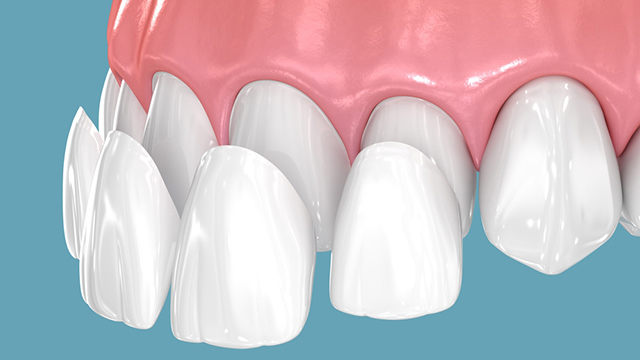
Laminate (Veneers)
Laminate veneers are thin, custom shells — usually ceramic — bonded to the front surface of teeth to improve their color, shape, size, or minor alignment, mainly in the visible smile zone.
Learn More

Bone-Regenerating Implants
Bone-regenerating implants involve a bone transplant procedure that adds bone material to areas with insufficient bone, helping create a suitable foundation for dental implant placement.
Learn More
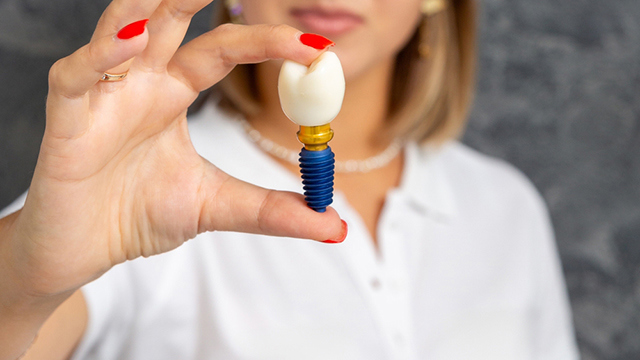
Bone Graft Implants
Bone graft implant treatment addresses one of the most common obstacles to getting a dental implant: not having enough bone to hold one securely.
Learn More