Trusted Dental Care in Seoul Since 1997 · SNU Dental Alumni · Multilingual Concierge

Dental Implants · Needs Clinic Confirmation
Low-Side-Effect Implants
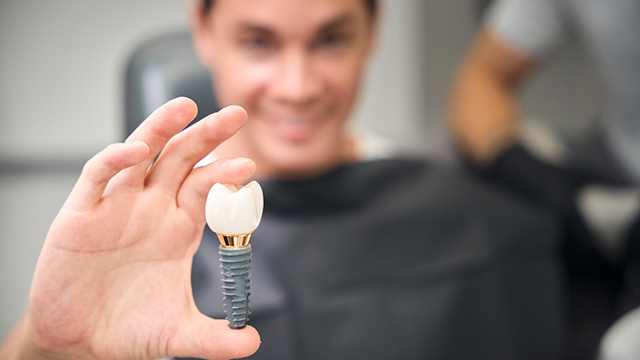
This service is Dongdaemun Dental Clinic's implant treatment and repair approach built specifically around minimizing complications — strong fixation, integrated implant-abutment construction, secure screw tightening, an
Schedule a ConsultationLow-Side-Effect Implants
Medically reviewed by Dr. Kim Jeong-chan, Representative Director and Head Dentist, Dongdaemun Dental Clinic, Seoul
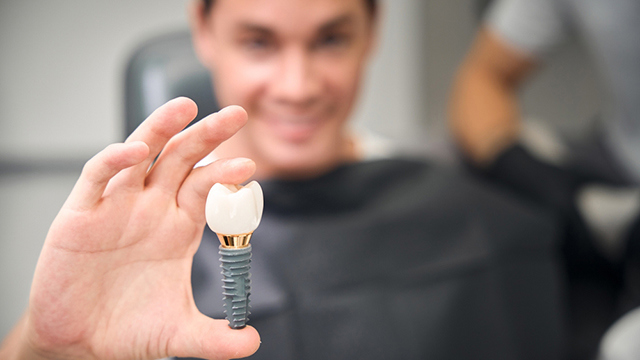
This service is Dongdaemun Dental Clinic's implant treatment and repair approach built specifically around minimizing complications — strong fixation, integrated implant-abutment construction, secure screw tightening, and resolving connection-related problems before they start. The clinic states that its implant repair method is designed for long-term maintenance rather than the shortest path to a placed implant.
Who This Is Designed For
Patients who need dental implants and who specifically want to minimize the risk of complications after placement are the core audience for this service, whether they are receiving a first implant or considering it after hearing about problems other patients have had elsewhere. Before treatment, the clinic evaluates gum and jawbone health using precision diagnostic equipment and develops a treatment plan based on the patient's goals and individual constitution, rather than applying a single standard protocol to every case.
What "Few Side Effects" Actually Means Here
The clinic is explicit that even with careful planning, some early adaptation effects are normal rather than a sign something has gone wrong. During the early stage after implant placement, patients may notice a foreign sensation or temporary difficulty speaking; according to the clinic, these symptoms gradually improve as patients become accustomed to the implant, and regular follow-up visits are recommended to monitor that adjustment.
The complications this approach specifically targets are more mechanical than that early adjustment period: implant fixture fracture (tearing), screw loosening, peri-implantitis, and — beyond the initial days — persistent rather than temporary foreign-body sensation or speech difficulty.
Why Complication Rates Vary Between Patients and Providers
Implant complications generally trace back to a small number of root causes: insufficient bone or gum health that wasn't properly assessed before surgery, a mechanical design that concentrates stress at the implant-abutment junction, inconsistent aftercare, or a patient's individual healing and hygiene factors that were not accounted for in the treatment plan. A provider that treats every case the same way, without adjusting for these variables, is more likely to see complications emerge over time than one that builds the plan around the specific patient in front of them. This service exists because the clinic frames complication prevention as a design and planning problem first, not something to be managed only after symptoms appear.
How the Clinic Reduces Risk
Three things work together in this approach:
Precise examination using precision diagnostic equipment, evaluating gum and bone health before any decision is made.
Individualized treatment planning based on the patient's treatment goals and physical constitution, rather than a one-size-fits-all protocol.
Emphasis on appropriate postoperative care to minimize side effects once the implant is placed.
The clinic also uses a directly manufactured implant product — developed by an adjunct professor of periodontology — carrying an approximately 20-year maintenance-period guarantee, alongside the CEREC Primescan digital 3D intraoral scanner, which reduces reliance on conventional impression materials and their associated discomfort.
Preparing for This Specific Treatment
Preparation includes a comprehensive examination of the gums and jawbone using precision diagnostic equipment before an individualized treatment plan is established, and being upfront with the dentist about any prior implant history or complications elsewhere. This upfront diagnostic investment is presented as the main lever for reducing complications later — the clinic's position is that most avoidable side effects trace back to problems that could have been identified before surgery rather than during it.
Aftercare
After placement, the clinic recommends avoiding excessively hard or tough foods during the initial healing period, starting with soft foods. Good oral hygiene — brushing, dental floss, and interdental brushes after meals and before bedtime — is emphasized, along with attending regular follow-up examinations. The clinic recommends follow-up checks every one to three months initially, then regular checkups every six months, even if there are no symptoms or discomfort — a schedule intended to catch mechanical or biological problems before they become noticeable to the patient.
Comfort During the Procedure
Digital scanning with the CEREC Primescan reduces the gagging and discomfort many patients associate with conventional rubber impression materials, and it improves the precision of the fit between fixture, abutment, and crown — a fit that directly affects how evenly chewing force is distributed once the implant is in daily use. Precision at the planning stage is, in this sense, itself a side-effect-reduction measure: an implant restored with a poorly fitting crown is more likely to develop the exact mechanical problems — screw loosening, uneven wear — this service is built to avoid.
Living With the Implant Day to Day
Beyond the structured follow-up schedule, daily habits matter more for a low-complication outcome than any single clinical decision made during placement. Brushing and flossing around the restored implant exactly as you would a natural tooth, avoiding habitually biting down on very hard objects, and reporting any new looseness or discomfort promptly rather than waiting for the next scheduled visit are all within the patient's control and materially affect whether this approach's low-complication goal is actually realized in practice.
What Results Are Realistic
According to the clinic, the goal is to reduce implant-related complications through individualized planning and postoperative management rather than to promise a complication-free experience for every patient. Patients should expect an initial adaptation period, during which a foreign sensation or mild speech difficulty may occur before improving as the mouth adjusts.
The Clinic's Broader Track Record

This approach draws on the same foundation as the clinic's other implant services: precision diagnostic equipment, an individualized treatment plan, artificial bone grafting when necessary, an implant management system, and a professional simulation system, developed over more than 30 years of accumulated clinical practice. The clinic also states that failed implants are retreated rather than simply reconstructed from scratch — consistent with its broader emphasis on revision and repair expertise.
Why Dongdaemun Dental Clinic
A directly manufactured implant product with an approximately 20-year maintenance-period guarantee.
Individualized treatment planning based on precision diagnostic evaluation, not a standard protocol applied to everyone.
Structured follow-up — every one to three months initially, then every six months — to catch problems early.
Over 30 years of accumulated clinical implant experience.
CEREC Primescan digital 3D intraoral scanning used throughout diagnosis and planning.
Planning Your Visit as a US or International Patient
US patients typically fly into Incheon (ICN) or Gimpo (GMP), with the clinic reachable via AREX train plus subway to Dongdaemun Station (Lines 1 and 4), Exit 9; K-ETA generally allows visa-free entry for short stays for US passport holders, though current requirements should be confirmed before booking. English, Japanese, and Chinese translation service is available throughout the visit, and phone contact is available during clinic hours (KST) for follow-up questions after returning home — useful given the clinic's emphasis on structured follow-up visits even after you leave Korea.
Setting Expectations Honestly
No implant approach, however carefully planned, eliminates risk entirely — bone and gum tissue are biological, not mechanical, and individual healing varies in ways no amount of pre-surgical planning can fully predict. What individualized diagnosis and structured follow-up change is the odds: catching a developing problem at a routine six-month check rather than only once it has become painful or visible is a meaningfully different outcome, even though neither is a guarantee.
The Bottom Line
This service centers on minimizing implant complications through individualized planning and structured follow-up.
Some early adaptation effects (foreign sensation, mild speech difficulty) are normal and expected to improve, not signs of failure.
The mechanical complications actively targeted are fixture fracture, screw loosening, and peri-implantitis.
A directly manufactured implant product carries an approximately 20-year maintenance guarantee.
Follow-up visits every one to three months initially, then every six months, are part of the risk-reduction plan itself.
Frequently Asked Questions
Will I feel anything unusual right after the implant is placed? Some patients notice a foreign sensation or temporary difficulty speaking in the early stage — this is described by the clinic as a normal adaptation effect that gradually improves, not a complication.
What specific problems is this approach designed to prevent? Implant fixture fracture, screw loosening, and peri-implantitis are the complications this method specifically targets, through fixation design, individualized planning, and structured follow-up.
How often will I need check-ups? Every one to three months initially, then every six months once things are stable — even without symptoms, since some complications develop before they are noticeable.
What if I already have side effects from an implant placed elsewhere? The clinic states that failed implants are retreated rather than simply reconstructed, and its implant repair service specifically addresses implants with existing problems.
Does the 20-year guarantee mean my implant is guaranteed for 20 years no matter what? It refers to the maintenance period the clinic's directly manufactured implant product is designed for, not a guarantee independent of the patient's own hygiene, follow-up attendance, and general oral health — all of which affect real-world longevity.
Can international patients keep up the recommended follow-up schedule? Given the six-monthly maintenance schedule after the initial period, international patients typically coordinate check-ups either on return visits or with their general dentist at home, using records provided by this clinic.
Does individualized planning take longer than a standard implant process? The diagnostic and planning stage is more thorough than a one-size-fits-all approach, which can mean additional time at the consultation stage, but this is presented as an investment that reduces the likelihood of needing revision treatment later.
What role does bone grafting play in reducing complications? Artificial bone grafting is used when necessary as part of the individualized plan — placing an implant into inadequate bone is one of the more common root causes of later complications, so the clinic addresses bone deficiency before placement rather than after problems appear.
Is a professional simulation system actually used, or is that just marketing language? The clinic describes using a professional simulation system alongside precision diagnostic equipment as part of its planning process; specific technical detail beyond that general description should be confirmed directly with the clinic at consultation.
How is this different from the clinic's other implant services? This service describes the clinic's broader complication-minimizing framework — individualized planning, structured follow-up, and a specific implant product — that also underlies its other implant offerings, rather than being a separate, unrelated procedure.
Book a Consultation at Dongdaemun Dental Clinic
To discuss a complication-minimizing implant approach for your case, contact Dongdaemun Dental Clinic in Seoul. The clinic is open Monday to Friday 10:00 AM–6:00 PM KST with a lunch break from 12:00 PM to 1:00 PM, and Saturday 10:00 AM–2:00 PM KST, closed Sundays and public holidays. Enquire through the contact page or by telephone on +82-2-2268-9529.
Disclaimer
This page is for general informational purposes and does not constitute individualized medical advice. Candidacy, technique, and expected outcomes can only be determined through a consultation with a qualified dentist.
Sources & Further Reading
Other Services
Explore additional dental treatments offered by our specialists.
Laminate (Veneers)
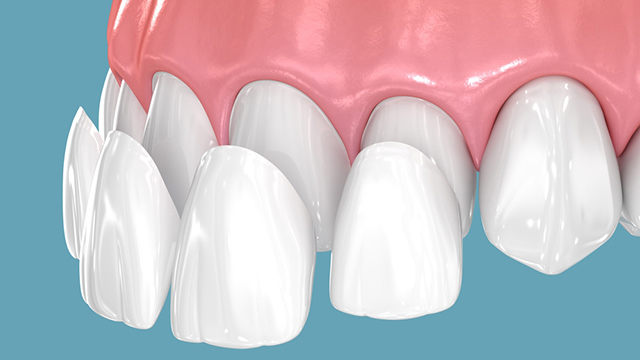
Laminate veneers are thin, custom shells — usually ceramic — bonded to the front surface of teeth to improve their color, shape, size, or minor alignment, mainly in the visible smile zone.
Learn More
Bone-Regenerating Implants
Bone-regenerating implants involve a bone transplant procedure that adds bone material to areas with insufficient bone, helping create a suitable foundation for dental implant placement.
Learn More
Bone Graft Implants
Bone graft implant treatment addresses one of the most common obstacles to getting a dental implant: not having enough bone to hold one securely.
Learn More