Trusted Dental Care in Seoul Since 1997 · SNU Dental Alumni · Multilingual Concierge


Dental Implants · Needs Clinic Confirmation
Occlusal Stability Program
The Occlusal Stabilization Program establishes a stable and balanced bite before or during restorative treatment.
Schedule a ConsultationOcclusal Stability Program

Medically reviewed by Dr. Kim Jeong-chan, Representative Director and Head Dentist, Dongdaemun Dental Clinic, Seoul
The Occlusal Stabilization Program establishes a stable and balanced bite before or during restorative treatment. The program evaluates a patient's occlusion, corrects bite instability, and creates a stable occlusal relationship to improve chewing function, jaw stability, and the long-term success of prosthetic or implant restorations planned or delivered at Dongdaemun Dental Clinic.
Why Bite Stability Matters Before Any Restoration Begins
An implant or a prosthetic restoration only performs as well as the bite it sits within. If the underlying occlusion is unbalanced — one side carrying more force than it should, or the jaw meeting unevenly — that imbalance transfers directly onto the new restoration, often the moment it goes into function. This program exists specifically to catch and correct that instability before it becomes the new restoration's problem rather than after.
What "Occlusion" Actually Covers
Occlusion refers to how the upper and lower teeth meet when the jaw closes — not just whether the teeth touch, but the sequence, force distribution, and timing of that contact across the whole arch. A bite can look fine at rest and still be unbalanced under function: certain teeth or restorations absorbing more chewing force than they were designed for, the jaw sliding into a slightly different position than intended, or muscles compensating for an imbalance in ways that create strain over time. None of this is necessarily visible without a targeted evaluation, which is exactly what this program is designed to catch before a new implant or prosthetic restoration is placed into that same uneven system.
Who This Is For
The program suits patients with an unstable or imbalanced bite, those preparing for implant or prosthetic treatment, and individuals who need occlusal stabilization to support functional rehabilitation and improve the long-term stability of their dental restorations. Patients travelling for comprehensive dental rehabilitation that requires precise occlusal management are a particularly common fit, since complex, multi-step restorative plans depend on a stable foundation more than a single simple restoration would.
The Evaluation Process
The program begins with a detailed evaluation of the patient's occlusion to identify instability and assess the relationship between the teeth and jaw. Based on this examination, a personalized treatment plan is developed to establish a stable occlusion that supports functional rehabilitation and restorative treatment — this is not a generic bite check, but a targeted assessment aimed specifically at whatever restorative work is planned or already underway.
How the Program Proceeds
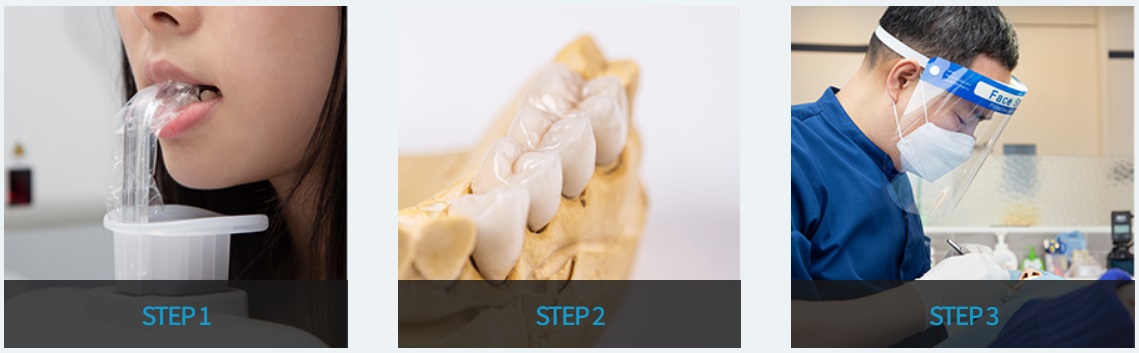
Bite evaluation — the dentist carefully examines the patient's occlusion to identify imbalance or instability.
Occlusal analysis — the relationship between the teeth and jaw is assessed to determine the appropriate stabilization plan.
Treatment planning — a personalized occlusal stabilization plan is created based on the examination results.
Occlusal stabilization — the bite is adjusted and stabilized to establish a balanced occlusal relationship.
Preparation for restorative treatment — once a stable bite is achieved, it provides a functional foundation for implant or prosthetic treatment and long-term maintenance.
Benefits
The program helps establish a stable and balanced bite, improves chewing function, enhances jaw stability, and provides a reliable foundation for implant and prosthetic treatment. It is intended to support the long-term stability and success of restorative dental care generally, rather than being a stand-alone cosmetic adjustment.
Why This Protects Your Restoration Investment
Implant and prosthetic treatment represents a significant investment of time, healing, and typically travel for international patients — protecting that investment from an underlying bite problem is the entire logic of doing occlusal work first rather than discovering an imbalance after the final restoration is placed. A restoration placed into an unstable bite can wear unevenly, loosen prematurely, or transfer strain to the jaw joint and surrounding muscles, all of which are more difficult and expensive to correct after the fact than before it.
Aftercare
After placement of the occlusal stabilization appliance, patients should wear it as instructed by the dentist, maintain good oral hygiene by cleaning both the appliance and the teeth regularly, attend scheduled follow-up visits for occlusal adjustment and evaluation, and report any persistent discomfort, pain, or appliance damage promptly to support stable adaptation.
How This Compares With Other Occlusal Approaches
Occlusal stabilization therapy generally focuses on adjusting the bite relationship and using an occlusal appliance to help stabilize jaw function. Compared with other occlusal approaches, this program aims to provide a balanced occlusion and reduce stress on the temporomandibular joint and surrounding muscles, framed specifically around supporting predictable implant and prosthetic outcomes rather than treating jaw joint symptoms in isolation.
Signs Your Bite May Need Evaluation
While a formal diagnosis requires the clinic's examination, patients sometimes notice indirect signs before ever discussing occlusion specifically: uneven wear on certain teeth, jaw fatigue or soreness after eating, a sense that the bite feels "off" on one side, or previous restorations that seem to loosen or wear faster than expected. None of these on their own confirms an occlusal problem, but they are reasonable prompts to raise the topic at a consultation, particularly for patients planning implant or prosthetic treatment.
Duration and Visits
The program is individualized, so treatment duration and the number of visits vary depending on the patient's occlusal condition and treatment progress. A personalized treatment plan is created after examination rather than following a fixed schedule applied to every patient.
Where This Fits in a Larger Treatment Plan
Because the program is framed as preparation for — or support during — implant and prosthetic treatment, it is rarely the only service a patient receives. It is commonly paired with the clinic's implant placement, full-mouth reconstruction, or bone-graft services as part of a broader rehabilitation plan, with occlusal evaluation running throughout rather than being confined to a single early visit.
Coordinating With Your Broader Treatment Team
Because this program is designed to support other restorative work rather than stand alone, the dentist overseeing your occlusal evaluation coordinates directly with whoever is planning your implant, prosthetic, or full-mouth reconstruction treatment at the clinic. That coordination matters practically: a stabilization plan built without reference to the restorative work it is meant to support would defeat the purpose of doing occlusal work first at all.
Why Dongdaemun Dental Clinic

Individualized occlusal evaluation and stabilization protocol built specifically to support implant and prosthetic longevity.
Explicit link between bite stability and long-term restoration success, rather than treating occlusion as a separate issue.
Seoul National University-trained dentists.
Roughly 30 years of restorative and implant experience in the Dongdaemun area.
CEREC Primescan digital diagnostic workflow used across the clinic's implant and prosthetic services.
Planning Your Visit as a US or International Patient
Because this program is individualized and often part of a longer restorative plan, international patients should expect a staged schedule confirmed after examination rather than a single fixed visit count. US patients typically fly into Incheon (ICN) or Gimpo (GMP), reachable from the clinic via AREX train plus subway to Dongdaemun Station (Lines 1 and 4), Exit 9; K-ETA generally allows visa-free entry for short stays for US passport holders, subject to confirming current requirements. English, Japanese, and Chinese translation service is available, and phone contact is available during clinic hours (KST) for follow-up questions after returning home.
A Realistic View of What Stabilization Achieves

Occlusal stabilization improves the odds that a restoration will hold up as intended, but it does not turn a complex case into a simple one, and it does not eliminate every source of future wear or adjustment. What it does reliably provide is a documented, examined starting point — rather than an assumption — for how your bite behaves before an implant or prosthetic restoration is built into it.
The Bottom Line
The program stabilizes the bite before or during implant and prosthetic treatment to protect the new restoration's long-term success.
Evaluation and treatment planning are individualized to the patient's specific occlusal condition.
The five-step process runs from bite evaluation through stabilization to preparing for restorative treatment.
It is commonly paired with implant, full-mouth reconstruction, or bone-graft treatment rather than used alone.
Duration and visit count depend on the individual case rather than following a fixed schedule.
Frequently Asked Questions
Do I need this if I'm only getting one implant? It is most relevant to complex or multi-step restorative plans, where an unstable bite has more opportunity to affect the outcome. Your evaluation will determine whether it is recommended for your specific case.
Is this the same as treatment for jaw joint (TMJ) pain? It shares some occlusal-adjustment principles with TMJ-focused approaches, but this program is specifically oriented around supporting implant and prosthetic outcomes rather than treating jaw joint symptoms as the primary concern.
How long do I wear the stabilization appliance? Duration varies by individual occlusal condition and treatment progress; your personalized plan, created after examination, will set expectations for your specific case.
What happens if I skip this before getting an implant? An unstable bite that isn't addressed beforehand can transfer excess or uneven force onto a new implant or prosthetic restoration, which the clinic frames as a risk to the long-term stability of that restoration.
Can this be combined with the clinic's other implant services? Yes — it is commonly planned alongside implant placement, full-mouth reconstruction, or bone-graft treatment as part of a coordinated restorative plan.
Will the appliance be uncomfortable to wear? Some adjustment period is normal with any oral appliance. If discomfort persists or worsens rather than settling, that should be reported promptly so the fit can be reassessed rather than tolerated indefinitely.
Is occlusal stabilization a one-time fix? The program establishes a stable baseline, but bite relationships can shift over time — particularly around new restorative work — which is why scheduled follow-up evaluation is part of the process rather than a single appointment.
Does insurance or the clinic separate this from implant treatment cost? Cost structuring for combined treatment plans should be confirmed directly with the clinic at consultation, since it depends on the specific combination of services your case requires.
What happens during the occlusal analysis step specifically? The relationship between your teeth and jaw is assessed in detail — beyond a simple visual check — to determine exactly where and how the bite is unbalanced, which is what the personalized stabilization plan is then built around.
Book a Consultation at Dongdaemun Dental Clinic
To find out whether occlusal stabilization should be part of your treatment plan, contact Dongdaemun Dental Clinic in Seoul. The clinic is open Monday to Friday 10:00 AM–6:00 PM KST with a lunch break from 12:00 PM to 1:00 PM, and Saturday 10:00 AM–2:00 PM KST, closed Sundays and public holidays. Enquire through the contact page or by telephone on +82-2-2268-9529.
Disclaimer
This page is for general informational purposes and does not constitute individualized medical advice. Candidacy, technique, and expected outcomes can only be determined through a consultation with a qualified dentist.
Sources & Further Reading
Other Services
Explore additional dental treatments offered by our specialists.
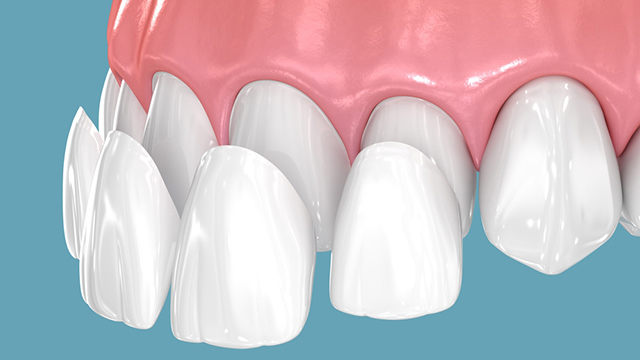
Laminate (Veneers)
Laminate veneers are thin, custom shells — usually ceramic — bonded to the front surface of teeth to improve their color, shape, size, or minor alignment, mainly in the visible smile zone.
Learn More

Bone-Regenerating Implants
Bone-regenerating implants involve a bone transplant procedure that adds bone material to areas with insufficient bone, helping create a suitable foundation for dental implant placement.
Learn More
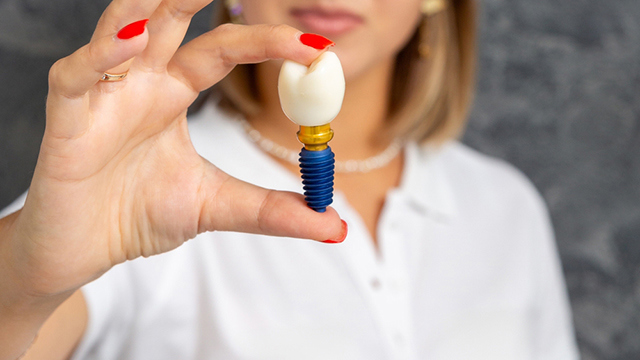
Bone Graft Implants
Bone graft implant treatment addresses one of the most common obstacles to getting a dental implant: not having enough bone to hold one securely.
Learn More