Trusted Dental Care in Seoul Since 1997 · SNU Dental Alumni · Multilingual Concierge


Dentures · Needs Clinic Confirmation
Partial Denture
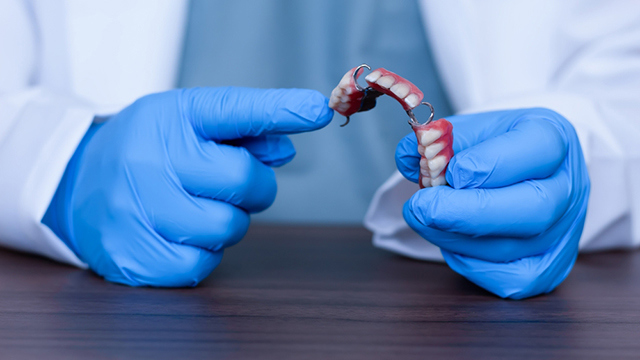
A partial denture is a removable appliance that replaces several missing teeth while preserving and working around the healthy natural teeth a patient still has, restoring chewing ability, speech, and appearance without
Schedule a ConsultationPartial Denture

Medically reviewed by Dr. Kim Jeong-chan, Representative Director and Head Dentist, Dongdaemun Dental Clinic, Seoul
A partial denture is a removable appliance that replaces several missing teeth while preserving and working around the healthy natural teeth a patient still has, restoring chewing ability, speech, and appearance without requiring a full-arch replacement. At Dongdaemun Dental Clinic, treatment follows a structured examination-to-fitting protocol.
Why Patients Seek This Treatment
US patients seek partial dentures to regain basic chewing function, restore clear speech, prevent facial changes caused by missing teeth, and access an affordable, non-surgical option when several teeth are missing but enough healthy teeth remain to support a removable appliance.
Who Is a Good Candidate
A partial denture may suit people who are missing several teeth but have enough healthy teeth and gum support remaining to retain the appliance. A dentist assesses the remaining teeth and gum condition to confirm this is the appropriate option rather than a full denture or another restoration.
Who May Need Treatment First
Treatment may need to be postponed if there is active infection, uncontrolled gum disease, or significant oral inflammation until these problems are treated. The clinic's examination is what identifies whether any preparatory treatment is needed before fitting can begin.
Consultation and Diagnosis
The dentist evaluates the teeth, gums, jaw, and bite, discusses functional and cosmetic needs, and determines the appropriate denture design. Because a partial denture must work around existing healthy teeth rather than replacing an entire arch, this assessment includes how the appliance will anchor itself against those remaining teeth.
How Treatment Proceeds
Impressions or scans of the arch, capturing both the missing-tooth spaces and the remaining healthy teeth.
Bite and alignment assessment to determine how the partial denture will fit against the natural bite.
Custom trial fitting to check comfort and stability before final fabrication.
Final fabrication, followed by precise fitting adjustments.
How Long the Process Takes
Treatment usually requires several appointments for examination, impressions or scans, fitting, and adjustments, with the exact time varying by case depending on how many teeth are being replaced and the condition of the remaining teeth and gums.
Is It Painful
Partial denture fitting is generally not painful, although temporary gum soreness or pressure may occur while adjusting to the denture. The appliance itself normally does not require anesthesia; local anesthesia may be used only if tooth preparation or extraction is needed beforehand.
Benefits
A well-fitted partial denture can improve appearance, chewing, and speech, restoring function in the specific areas where teeth are missing while leaving healthy remaining teeth undisturbed. An adjustment period is a normal part of this improvement rather than a sign of a problem.
Risks and Side Effects
Possible problems include poor fit, discomfort, gum irritation, denture movement, and plaque buildup if oral hygiene around the appliance is inadequate. Mild gum soreness, increased saliva, difficulty speaking, and chewing difficulties can also occur during the initial adjustment period.
How the Clinic Reduces Risk
Proper examination, assessment of the teeth and gums, accurate impressions or scans, careful fitting, and follow-up adjustments all help reduce the problems associated with a poorly fitting appliance. This structured examination-to-fitting sequence is the basis of the clinic's approach to this service specifically.
Recovery Timeline
There is usually no major recovery period with a partial denture, but adapting to speaking, chewing, and wearing the appliance can take several days to a few weeks. The replacement teeth are visible immediately after fitting, with comfort and function improving as the patient adapts.
Preparing for Treatment
Maintain good oral hygiene and provide the dentist with your dental and medical history, medications, allergies, and any previous treatment information. Avoid neglecting oral hygiene beforehand, and inform the dentist about any infections, gum problems, or other relevant health conditions.
Aftercare
Avoid forcing the denture into place and avoid very hard foods during the initial adjustment period. Keep the denture clean as instructed, and attend follow-up appointments so fit and comfort can be reassessed and adjusted as needed.
What a Partial Denture Actually Consists Of
A partial denture typically combines replacement teeth set into a base that matches the color of the gums, connected by a metal or acrylic framework that rests against and around the remaining natural teeth to hold the appliance securely in place. This framework design is precisely why the assessment of which remaining teeth are healthy enough to support a partial denture matters — the appliance depends on those teeth for stability in a way a complete denture, resting on the gum ridge itself, does not.
Signs You May Be a Candidate
Gaps from one or more missing teeth that affect chewing on one side of the mouth, difficulty pronouncing certain sounds clearly, a noticeable change in facial support around the mouth, or simply wanting to prevent remaining teeth from drifting into the space left by a missing tooth are all common reasons patients pursue a partial denture. Left unaddressed, gaps from missing teeth can also allow neighboring teeth to shift out of position over time, which is one of several functional reasons to address the gap rather than treating it as a purely cosmetic decision.
A removable partial denture can replace several missing teeth without requiring the same treatment approach as a fixed bridge or dental implants, since it does not depend on anchoring to adjacent teeth through permanent bonding or on implant surgery into the jawbone. This makes it a comparatively less invasive option, though it is removable rather than fixed in place, which is a tradeoff some patients weigh against the convenience of a fixed restoration.
Combining With Other Treatment
Partial dentures may be planned alongside treatments such as extractions, fillings, periodontal treatment, crowns, or implants when clinically appropriate, particularly when a patient has multiple dental concerns being addressed as part of one overall treatment plan.
Why Dongdaemun Dental Clinic
Structured examination-to-fitting protocol, including trial fitting before final fabrication.
Assessment designed specifically around preserving and working with remaining healthy teeth.
Follow-up adjustment visits included as part of the fitting process.
Seoul National University-trained dentists.
English, Japanese, and Chinese translation service for international patients.
Planning Your Visit as a US or International Patient
Because the process usually spans several appointments — examination, impressions, fitting, and adjustment — international patients should plan their stay in Korea around this schedule, with the exact number of visits depending on how many teeth are being replaced and individual healing or preparatory treatment needs. US patients typically fly into Incheon (ICN) or Gimpo (GMP), with the clinic reachable via AREX train plus subway to Dongdaemun Station (Lines 1 and 4), Exit 9; K-ETA generally allows visa-free entry for short stays for US passport holders, subject to confirming current requirements. English, Japanese, and Chinese translation service is available throughout the visit.
Traveling Home After Treatment
If no surgical treatment is performed, travel is generally possible after fitting once the dentist confirms everything is satisfactory. If extractions or other treatment were needed first, confirm appropriate travel timing with the dentist.
What Documents Help at Consultation
A clinic may request dental photos, X-rays or scans, medical history, medication information, and details about which teeth are missing — useful information to prepare in advance, particularly for an international patient trying to make efficient use of a limited number of visits.
How This Differs From a Complete Denture
A partial denture is designed for patients who still have some healthy, well-supported natural teeth remaining, replacing only the missing ones and anchoring against the teeth that remain. A complete denture, by contrast, replaces every tooth in an arch because none remain to anchor against. Which category applies to a given patient is determined at the initial dental examination based on the condition and number of remaining teeth, not assumed in advance.
Living With a Partial Denture Long-Term
Beyond the initial adjustment period, day-to-day life with a partial denture generally involves removing it for cleaning at least once daily, being mindful of very hard or sticky foods that could dislodge or damage the framework, and continuing regular dental check-ups so both the appliance and the remaining natural teeth it anchors against can be monitored. Because the appliance depends on those remaining teeth for support, keeping them healthy through good oral hygiene is arguably just as important to the partial denture's continued fit as caring for the appliance itself.
Setting Realistic Expectations
Appropriate claims for this treatment are limited to replacing several missing teeth and helping restore appearance, chewing, and speech. Perfect comfort, speech, chewing ability, appearance, or a specific lifespan cannot be guaranteed, because results vary between patients depending on oral anatomy, remaining tooth condition, and how well the patient adapts to wearing a removable appliance.
The Bottom Line
A partial denture replaces several missing teeth while preserving remaining healthy teeth, rather than replacing an entire arch.
The process typically spans several appointments: examination, impressions, trial fitting, and adjustment.
Temporary gum soreness or an adjustment period of several days to a few weeks is normal.
Good oral hygiene around the appliance helps prevent plaque buildup and fit problems over time.
Whether a partial or complete denture applies to your case is determined at the initial examination.
Frequently Asked Questions
Am I a good candidate for a partial denture? People missing several teeth who still have enough healthy remaining teeth and gum support to retain the appliance are generally suitable candidates, confirmed through examination.
Will this be painful? Fitting is generally not painful, though temporary gum soreness or pressure is common during the adjustment period; anesthesia isn't typically needed for the appliance itself unless tooth preparation or extraction is required first.
How long does the whole process take? Usually several appointments for examination, impressions, fitting, and adjustments, with total time varying by how many teeth are being replaced and the condition of remaining teeth and gums.
How is this different from a complete denture? A partial denture replaces only the missing teeth and anchors against remaining healthy teeth, while a complete denture replaces an entire arch because no natural teeth remain to anchor against.
Can I combine this with treatment for a cavity or gum disease? Yes — partial dentures may be planned alongside extractions, fillings, periodontal treatment, crowns, or implants when clinically appropriate for your case.
Will my partial denture feel noticeable? Mild gum soreness, increased saliva, and some difficulty speaking are common during the initial adjustment period, generally improving as the patient adapts to wearing the appliance.
How do I care for a partial denture? Keep the denture clean as instructed, avoid forcing it into place, avoid very hard foods during the initial adjustment period, and attend follow-up appointments for reassessment.
Can I fly home right after getting my partial denture? If no surgical treatment was performed, travel is generally possible once the dentist confirms the fit is satisfactory; if extractions were needed first, confirm timing with the dentist.
Will a partial denture last forever? No — a specific lifespan cannot be guaranteed, and fit or comfort can change over time as the remaining teeth and gums change, similar to other removable dental appliances.
What if a partial denture doesn't fit correctly at first? Attend the scheduled follow-up adjustment visits — this is a normal, expected part of the fitting process, not a sign that treatment has gone wrong or that the appliance needs to be remade entirely.
Do I need to remove my partial denture at night? Specific removal instructions should be confirmed with your dentist, though removable appliances are generally taken out for cleaning at least once daily as part of routine care.
Book a Consultation at Dongdaemun Dental Clinic
To discuss partial dentures, contact Dongdaemun Dental Clinic in Seoul. The clinic is open Monday to Friday 10:00 AM–6:00 PM KST with a lunch break from 12:00 PM to 1:00 PM, and Saturday 10:00 AM–2:00 PM KST, closed Sundays and public holidays. Enquire through the contact page or by telephone on +82-2-2268-9529.
Disclaimer
This page is for general informational purposes and does not constitute individualized medical advice. Candidacy, technique, and expected outcomes can only be determined through a consultation with a qualified dentist.
Sources & Further Reading
Other Services
Explore additional dental treatments offered by our specialists.
Laminate (Veneers)
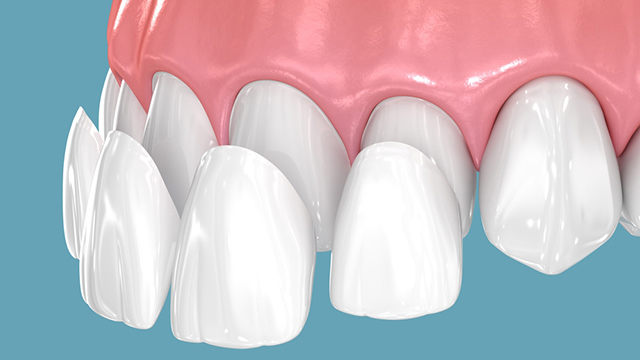
Laminate veneers are thin, custom shells — usually ceramic — bonded to the front surface of teeth to improve their color, shape, size, or minor alignment, mainly in the visible smile zone.
Learn More
Bone-Regenerating Implants
Bone-regenerating implants involve a bone transplant procedure that adds bone material to areas with insufficient bone, helping create a suitable foundation for dental implant placement.
Learn More
Bone Graft Implants
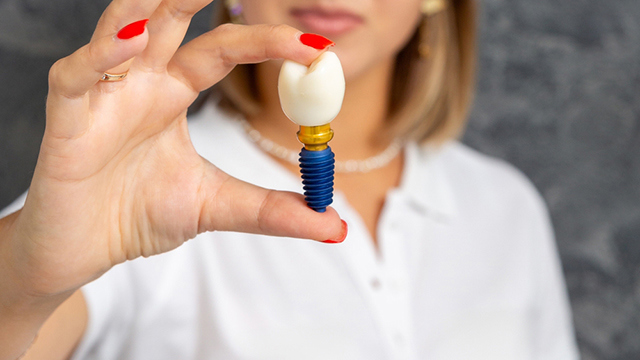
Bone graft implant treatment addresses one of the most common obstacles to getting a dental implant: not having enough bone to hold one securely.
Learn More