Trusted Dental Care in Seoul Since 1997 · SNU Dental Alumni · Multilingual Concierge

Periodontics & Gum Care · Needs Clinic Confirmation
Periodontal Treatment
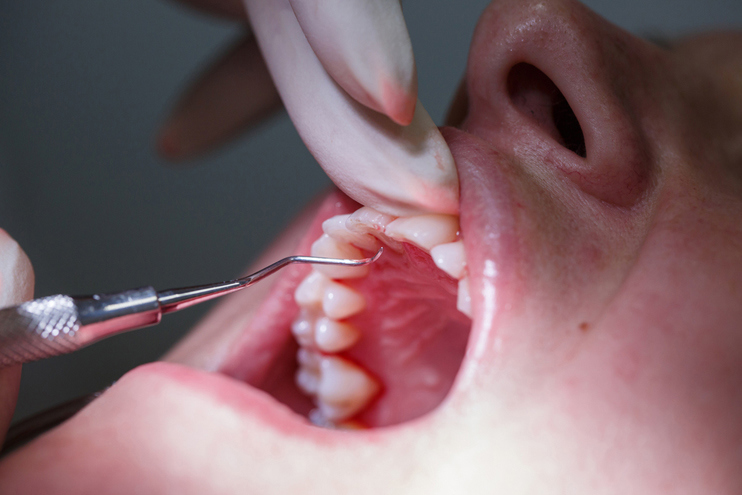
Periodontal treatment (gum treatment) addresses swelling, pain, and bleeding caused by inflammation in the tissues surrounding the gums due to tartar buildup.
Schedule a ConsultationPeriodontal Treatment
Medically reviewed by Dr. Kim Jeong-chan, Representative Director and Head Dentist, Dongdaemun Dental Clinic, Seoul
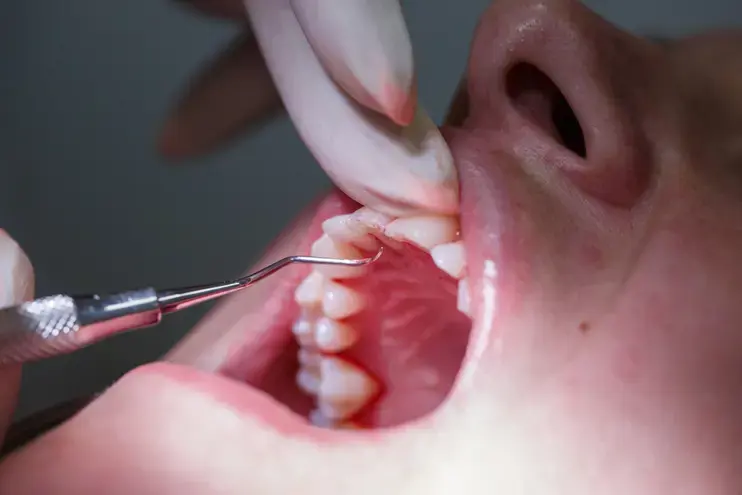
Periodontal treatment (gum treatment) addresses swelling, pain, and bleeding caused by inflammation in the tissues surrounding the gums due to tartar buildup. Gum disease affects more than 80% of adults, and delaying treatment can lead to erosion of the gum bone, weakened teeth, and tooth looseness — which is why this is treated as a priority rather than a cosmetic afterthought at Dongdaemun Dental Clinic.
Led by a Periodontics Specialist
Dr. Kim Jeong-chan graduated from Seoul National University College of Dentistry, completed periodontics training at Seoul National University Graduate School, and has served as a Clinical Assistant Professor of Periodontics at Seoul National University Dental Hospital. Periodontology among his core specializations means gum treatment here is led by someone whose formal training is specifically in this tissue, not a general dentist treating gum disease as a secondary interest.
Signs You May Need This Treatment Soon
Best candidates include patients who experience periodic gum swelling, patients with loose or painful teeth, patients with increased sensitivity to hot, cold, or touch, and patients who notice gum sensitivity or bleeding while brushing. Any one of these on its own can be easy to dismiss as normal, but together — or persisting over time — they are the signals that gum disease has progressed beyond what daily brushing alone can manage, and that professional intervention is likely to be more effective the sooner it happens.
What Causes This in the First Place
Tartar — hardened plaque that has calcified onto the tooth surface, particularly near and below the gumline — is the primary trigger the clinic identifies. Once plaque hardens into tartar, ordinary brushing and flossing can no longer remove it; only professional treatment can. Tartar left in place keeps the surrounding gum tissue chronically irritated, which is what produces the swelling, bleeding, and sensitivity patients notice. This is why periodontal treatment is fundamentally about removing that hardened buildup and calming the resulting inflammation, rather than simply treating symptoms with rinses or medication alone.
Why Patients Seek This Treatment
Patients seek periodontal treatment to relieve swollen, painful, or bleeding gums, prevent bad breath, maintain healthy gums, and help prevent the tooth damage caused by gum disease. The underlying motivation is almost always the same: catching the problem before it progresses to the point of tooth looseness or bone loss, which is harder and more invasive to treat later.
Consultation and Diagnosis
The process begins with patient registration, a pre-treatment questionnaire, and a one-on-one consultation to evaluate dental health. This is followed by a detailed examination using precision diagnostic equipment and clinical evaluation to accurately identify the problem and establish an appropriate treatment plan.
How Treatment Proceeds
Registration and consultation, including a pre-treatment questionnaire and one-on-one discussion of your dental health.
Detailed examination using precision diagnostic equipment and clinical evaluation to identify the problem and develop a treatment plan.
Treatment to remove tartar and plaque — the causes of gum disease — and treat inflamed gum tissue.
Follow-up care with periodic visits to continuously manage the treated area.
What This Treatment Achieves
Periodontal treatment helps restore healthy gums, reduces swelling, pain, and bleeding, prevents bad breath, and helps prevent tooth damage associated with gum disease. Because gum disease is a progressive condition rather than a one-time event, "restoring healthy gums" here means bringing the disease process under control, not simply masking symptoms for a short period.
Gingivitis Versus More Advanced Disease
Gum disease is not a single fixed condition — it exists on a spectrum, and where a patient falls on that spectrum affects both the treatment approach and how urgently it should be addressed. Early-stage inflammation, often called gingivitis, is generally still reversible with professional cleaning and improved home care once the irritating tartar is removed. More advanced periodontal disease, where the supporting bone has already begun to erode, requires more involved treatment and carries a real risk of permanent tooth loss if left unmanaged. Part of what the clinic's diagnostic examination establishes is exactly where a patient sits on that spectrum, since the right treatment intensity differs meaningfully between the two.
Understanding Gum Disease Progression
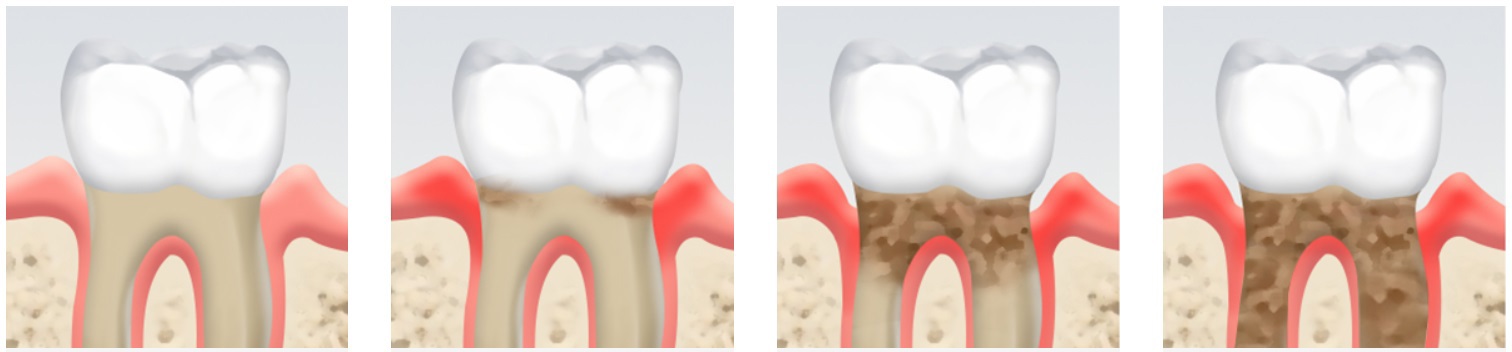
Left untreated, the inflammation this treatment addresses does not stay contained to soft tissue. Tartar buildup below the gumline triggers ongoing inflammation, which over time can erode the bone that anchors the teeth in place. Once that bone erosion begins, teeth can loosen — a stage that is considerably more difficult to reverse than the swelling, bleeding, and sensitivity that mark earlier disease. This progression is exactly why the clinic frames gum treatment as prevention against a specific, well-understood downstream risk rather than as a purely cosmetic or comfort-driven service.
Risk Factors Worth Knowing
While the direct trigger is tartar buildup, several factors make gum disease more likely or more severe: smoking, which impairs gum healing and masks some warning signs like bleeding; uncontrolled diabetes, which affects the body's ability to fight the underlying infection; certain medications that reduce saliva flow; hormonal changes; and simply inconsistent brushing and flossing habits over time. None of these guarantee gum disease will develop, but patients with one or more of these factors may benefit from more frequent monitoring rather than waiting for symptoms to appear.
How This Relates to Scaling and Teeth Cleaning
Periodontal treatment and the clinic's separate Dental Scaling & Teeth Cleaning service overlap in method — both remove tartar and plaque — but differ in scope and urgency. Scaling and cleaning is generally positioned as routine maintenance and early-stage prevention, while periodontal treatment specifically addresses active inflammation, pain, swelling, or bleeding that has already developed. Patients are sometimes uncertain which service they need; the clinic's initial consultation and examination make that determination rather than the patient having to self-diagnose in advance.
Aftercare and Ongoing Maintenance
Because gum disease is a condition that can recur if the underlying causes are not managed, aftercare extends well beyond the treatment appointment itself. Consistent daily brushing and flossing, avoiding tobacco use, and keeping up with the periodic follow-up visits the clinic schedules are all part of preventing the same inflammation from building back up. Patients who treat the in-clinic procedure as a one-time fix, without addressing daily habits afterward, are more likely to see symptoms return.
Why Dongdaemun Dental Clinic

Led by Dr. Kim Jeong-chan, an SNU-trained periodontist and former SNU Dental Hospital adjunct professor of periodontics.
Structured diagnostic process using precision equipment before any treatment plan is finalized.
Continued management through periodic follow-up visits rather than a single isolated treatment.
Roughly 30 years of practice in the Dongdaemun area.
English, Japanese, and Chinese translation service for international patients.
Planning Your Visit as a US or International Patient
US patients typically fly into Incheon (ICN) or Gimpo (GMP), with the clinic reachable via AREX train plus subway to Dongdaemun Station (Lines 1 and 4), Exit 9; K-ETA generally allows visa-free entry for short stays for US passport holders, subject to confirming current requirements. The two questions the clinic addresses most for international patients are dentist qualifications (all SNU-trained, with Dr. Kim a former SNU adjunct professor) and English-language support (a dedicated translation service). Phone contact is available during clinic hours (KST) for follow-up questions after returning home — relevant here given the ongoing, periodic-visit nature of gum disease management.
What Happens If Bone Has Already Been Lost
Where the diagnostic examination finds that gum disease has already progressed to bone erosion, periodontal treatment addresses the active inflammation first, but restoring lost bone volume is a separate consideration. Depending on the extent of the damage, the clinic's bone-regenerating implant service — which uses a barrier-membrane technique specifically for periodontitis-damaged bone — may be relevant as a follow-on step once the active disease is controlled. This sequencing matters: treating inflammation and rebuilding lost structure are related but distinct goals, and trying to do both at once, before the infection is under control, generally produces worse results than addressing them in order.
The Bottom Line
Periodontal treatment addresses active gum inflammation caused by tartar buildup before it progresses to bone erosion and tooth damage.
Warning signs include gum swelling, bleeding while brushing, tooth sensitivity, and loose or painful teeth.
Treatment removes tartar and plaque and treats inflamed tissue, followed by periodic monitoring visits.
Dr. Kim Jeong-chan, an SNU-trained periodontist, leads this service.
Left untreated, gum disease can progress to bone erosion and tooth looseness — a much harder problem to reverse.
A Practical Note for Travelling Patients
If you're planning treatment around travel to Seoul, mentioning your symptoms in advance — swelling, bleeding, sensitivity, or looseness — helps the clinic anticipate roughly what stage of treatment you may need before you arrive, even though the exact plan is only confirmed after in-person examination. Patients with more advanced symptoms should generally allow for the possibility of a slightly longer visit or a follow-up plan extending beyond a single trip, rather than assuming a same-day resolution for a condition that has likely developed over months or years.
Frequently Asked Questions
How do I know if I have gum disease? Common signs include swollen or bleeding gums, especially while brushing, increased sensitivity to hot or cold, and teeth that feel loose or painful. Any of these warrants an evaluation.
Is gum disease really that common? Yes — it affects more than 80% of adults at some point, which is part of why the clinic treats it as a standard, structured service rather than an unusual referral.
What happens if I ignore the symptoms? Delaying treatment can lead to erosion of the bone supporting your teeth, weakened teeth, and eventual tooth looseness — problems that are considerably harder to treat than the earlier inflammation.
Who will treat me? Dr. Kim Jeong-chan, Representative Director and Head Dentist, an SNU-trained periodontist and former Clinical Assistant Professor of Periodontics at SNU Dental Hospital.
How many visits will this take? Initial treatment addresses the active tartar and inflammation; periodic follow-up visits continue afterward to manage the treated area and catch any recurrence early.
Can this be combined with other treatment, like scaling or gum contouring? Yes — gum health, scaling, and cosmetic gum procedures are closely related, and your evaluation will determine whether combined treatment is appropriate for your specific condition.
Is bleeding when I brush always a sign of gum disease? Bleeding gums are one of the more common early signs, though not the only possible cause. It's worth having evaluated rather than assumed either way, particularly if it happens consistently rather than occasionally.
Will treatment be painful? Specific anesthesia details for this procedure should be confirmed at consultation; the clinic's general approach to periodontal work emphasizes managing patient comfort throughout the diagnostic and treatment process.
Does smoking make gum disease worse? Yes — smoking is a well-established risk factor that impairs gum healing and can mask bleeding, one of the earlier warning signs, which sometimes delays diagnosis.
Can gum disease affect my overall health, not just my mouth? Gum disease is a chronic inflammatory condition, and general dental guidance links oral inflammation to broader health considerations; discuss any relevant medical history with your dentist during consultation.
How often should I have follow-up visits after treatment? The clinic schedules periodic follow-up visits to continuously manage the treated area; the specific interval depends on how advanced your condition was and how your gums respond to initial treatment.
Is periodontal disease reversible? Early-stage inflammation (gingivitis) is generally reversible with treatment and improved home care. More advanced disease, involving bone loss, can be managed and stabilized but the lost bone itself is not typically regrown without additional grafting procedures.
What should I do between now and my appointment if my gums are bothering me? Maintain gentle but thorough brushing and flossing, avoid tobacco if you use it, and avoid delaying the consultation — waiting rarely improves the underlying tartar buildup and inflammation on its own.
Book a Consultation at Dongdaemun Dental Clinic
If you have swollen, bleeding, or painful gums, contact Dongdaemun Dental Clinic in Seoul for an evaluation. The clinic is open Monday to Friday 10:00 AM–6:00 PM KST with a lunch break from 12:00 PM to 1:00 PM, and Saturday 10:00 AM–2:00 PM KST, closed Sundays and public holidays. Enquire through the contact page or by telephone on +82-2-2268-9529.
If you recognize any of the warning signs described above, treat them as a prompt to schedule an evaluation rather than something to monitor indefinitely on your own.
Disclaimer
This page is for general informational purposes and does not constitute individualized medical advice. Candidacy, technique, and expected outcomes can only be determined through a consultation with a qualified dentist.
Sources & Further Reading
Other Services
Explore additional dental treatments offered by our specialists.
Laminate (Veneers)
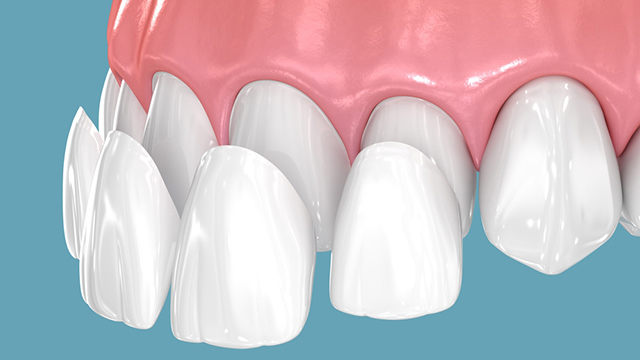
Laminate veneers are thin, custom shells — usually ceramic — bonded to the front surface of teeth to improve their color, shape, size, or minor alignment, mainly in the visible smile zone.
Learn More

Bone-Regenerating Implants
Bone-regenerating implants involve a bone transplant procedure that adds bone material to areas with insufficient bone, helping create a suitable foundation for dental implant placement.
Learn More

Bone Graft Implants
Bone graft implant treatment addresses one of the most common obstacles to getting a dental implant: not having enough bone to hold one securely.
Learn More