Trusted Dental Care in Seoul Since 1997 · SNU Dental Alumni · Multilingual Concierge

Teeth Whitening · Needs Clinic Confirmation
Professional Teeth Whitening
Teeth whitening is a cosmetic dental treatment that lightens the natural color of teeth by reducing stains and discoloration accumulated from food, drink, smoking, and the natural aging process.
Schedule a ConsultationProfessional Teeth Whitening
Medically reviewed by Dr. Kim Jeong-chan, Representative Director and Head Dentist, Dongdaemun Dental Clinic, Seoul
Teeth whitening is a cosmetic dental treatment that lightens the natural color of teeth by reducing stains and discoloration accumulated from food, drink, smoking, and the natural aging process. At Dongdaemun Dental Clinic, this is delivered as a dentist-supervised, professional-grade protocol rather than an over-the-counter routine, starting with an examination to confirm whitening is the right treatment for what is actually causing the discoloration.
What Brings Patients In
US patients typically request whitening to improve smile brightness and reduce discoloration caused by foods, drinks, smoking, aging, or other staining factors accumulated over years. The common thread across nearly every inquiry is a desire for a visibly brighter, more even smile color — the specific cause of staining varies, but the underlying goal is consistent.
Understanding Why Teeth Discolor
Tooth discoloration generally falls into two broad categories, and knowing which type you have matters for setting realistic expectations. Extrinsic staining sits on the outer enamel surface and comes from foods, drinks like coffee, tea, and red wine, smoking, and general accumulation over time — this type of staining typically responds well to professional whitening. Intrinsic discoloration originates inside the tooth structure itself, sometimes from childhood exposure to certain medications, developmental factors, or trauma to the tooth — this type can respond less predictably to standard whitening and may need a different cosmetic approach entirely. The consultation step exists specifically to make this distinction before committing to a whitening protocol that may not achieve the desired result for a genuinely intrinsic case.
Who Is a Good Candidate
Adults with healthy teeth and gums, suitable natural-tooth discoloration, and realistic expectations about the degree of change achievable are generally good candidates. Patients with untreated cavities, active gum disease, significant tooth sensitivity, or restorations that need evaluation may require dental treatment before whitening — the clinic checks for these first rather than proceeding straight to a cosmetic treatment while an underlying dental issue is unaddressed.
The Consultation Step
The dentist examines teeth and gums, identifies the type and cause of discoloration, checks for cavities or sensitivity, and determines whether whitening is appropriate for the specific case. This matters because not all discoloration responds the same way to whitening — staining from food and drink generally lightens well, while some forms of internal or medication-related discoloration respond less predictably.
How the Procedure Works
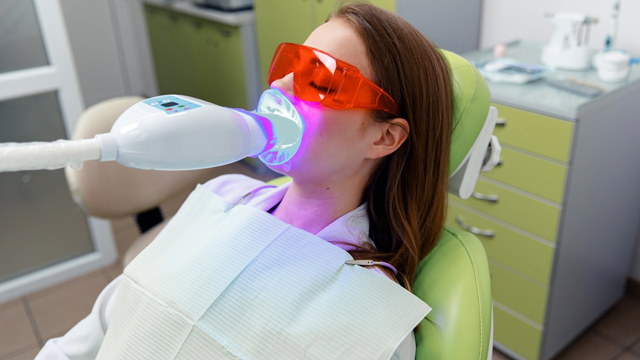
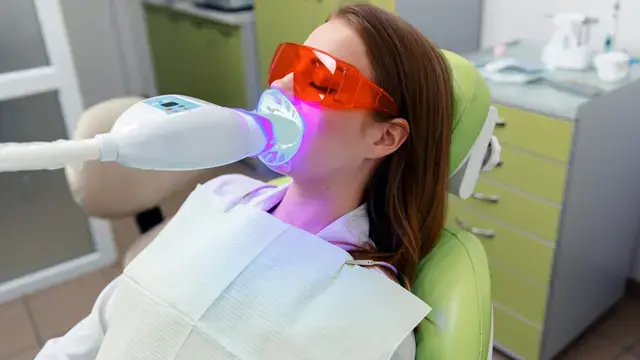
The teeth are examined and prepared, the whitening material is applied according to the selected method, and treatment is completed after the recommended exposure period. Anesthesia is generally not required; temporary tooth sensitivity or gum irritation can occur and usually settles after treatment.
Technology Used
Professional in-office whitening at the clinic utilizes high-concentration peroxide gels paired with high-intensity LED or plasma activation lights, alongside custom-fitted tray fabrication systems for home maintenance. Protocols vary by case, ranging from a single-visit high-concentration light-activated session to combination therapy that pairs an initial in-office session with custom take-home whitening trays for extended shade longevity.
What Results Look Like
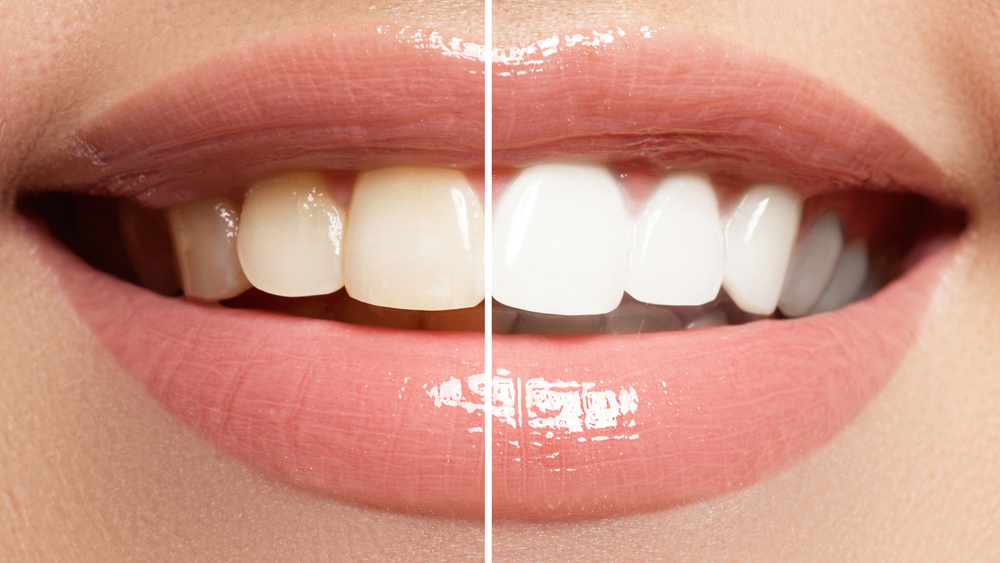
Whitening can make natural teeth visibly lighter and improve smile brightness, but the degree of whitening varies according to the original tooth color and the type of staining present. Results are not permanent and can gradually fade with diet, habits, and aging — which is why the clinic frames take-home maintenance trays as an option for extending the result rather than a one-time treatment being expected to last indefinitely.
Comparing In-Office and Take-Home Approaches
Approach | What it involves | Typical use case |
|---|---|---|
Single-visit in-office | High-concentration gel with LED or plasma activation, completed in one appointment | Patients wanting a faster result before an event or with limited time in Korea |
Combination therapy | In-office session plus custom take-home trays | Patients wanting a deeper result and longer-lasting maintenance capability |
Neither is universally better — the choice depends on how much change is realistic for the starting shade, how long the patient wants the result to last, and practical travel timing for international patients.
Why Professional Supervision Matters
Over-the-counter whitening products are formulated conservatively precisely because they are used without professional oversight — the concentration has to be safe for essentially anyone to use without a dental exam first. Professional in-office whitening can use higher-concentration materials specifically because a dentist has already checked for cavities, gum disease, and existing sensitivity, and can calibrate exposure time and concentration to what the individual patient's teeth and gums can tolerate. That difference in oversight is what allows professional whitening to generally achieve a more noticeable result in fewer sessions than store-bought alternatives, while managing the sensitivity risk that comes with higher-strength material.
Risks and Side Effects
Temporary sensitivity and gum irritation are the most common side effects. Overuse or inappropriate application can increase sensitivity or irritate oral tissues, which is one of the reasons professional supervision matters — a dentist can calibrate concentration and exposure to the individual patient rather than applying a fixed over-the-counter formula regardless of sensitivity history.
Recovery and Aftercare
There is generally little to no downtime, and any sensitivity usually improves shortly after treatment. Aftercare guidance includes following the dentist's instructions, maintaining good oral hygiene, and limiting strongly staining foods and drinks immediately after treatment when advised — since the tooth surface can be more receptive to new staining in the period right after whitening.
Keeping the Result Once You Get It
Diet and habits after whitening influence how long the brighter shade lasts more than almost anything else. Strongly staining foods and drinks — coffee, tea, red wine, dark sauces, and tobacco use — will begin re-staining the enamel over time regardless of how the initial treatment was done. Patients who maintain good oral hygiene and moderate their exposure to these staining sources generally hold onto their result noticeably longer than those who return to prior habits immediately. This is one reason the clinic offers custom take-home trays as an option: they let a patient do periodic top-up treatments at home rather than needing to return for a full in-office session every time the shade begins to fade.
Duration and Visit Requirements
Treatment time and the number of visits depend on the whitening method chosen and the degree of discoloration being addressed. A single-visit protocol can be completed in one appointment; combination therapy involves an initial visit plus ongoing use of take-home trays.
Setting Honest Expectations
Approved claims for this treatment are limited deliberately: whitening or lightening natural tooth discoloration and improving smile brightness, without guaranteeing a specific shade or a permanent result. Any provider promising an exact final shade before examining your teeth, or claiming the result will never fade, is making a claim the underlying biology of tooth staining does not really support — enamel continues to be exposed to the same staining sources after treatment as before it.
Why Dongdaemun Dental Clinic
Dentist-supervised whitening rather than an unsupervised over-the-counter approach.
High-intensity LED/plasma activation technology paired with custom tray fabrication for maintenance.
Pre-treatment screening for cavities, gum disease, and sensitivity before any cosmetic treatment begins.
Dentists trained at Seoul National University.
English, Japanese, and Chinese translation service for international patients.
Planning Your Visit as a US or International Patient
A single-visit whitening protocol can fit into a shorter trip, while combination therapy involving take-home trays requires an initial in-clinic visit followed by a period of home use — international patients should factor this into trip planning if pursuing the longer-lasting option. US patients typically fly into Incheon (ICN) or Gimpo (GMP), with the clinic reachable via AREX train plus subway to Dongdaemun Station (Lines 1 and 4), Exit 9; K-ETA generally allows visa-free entry for short stays for US passport holders, subject to confirming current requirements. English, Japanese, and Chinese translation service is available throughout the visit.
A Note on Booking Timing
If whitening is planned around a specific event or the end of a broader dental trip, book the consultation early enough to allow for the examination step and, if needed, treatment of any cavities or gum issues first — rushing straight into whitening while skipping that screening step is exactly the scenario the clinic's protocol is designed to avoid.
The Bottom Line
Whitening lightens natural tooth color; the achievable degree of change depends on starting shade and staining cause.
The clinic screens for cavities, gum disease, and sensitivity before recommending whitening.
Both single-visit and combination in-office-plus-take-home protocols are available, matched to patient goals and timing.
Temporary sensitivity is the most common side effect and usually resolves after treatment.
Results are not permanent; take-home trays can help extend the result over time.
Patients who plan ahead and complete the screening step comfortably tend to have a smoother, faster whitening visit once treatment day arrives, without last-minute surprises about untreated cavities or gum issues.
Frequently Asked Questions
How white will my teeth get? This depends on your original tooth color and the type of staining present — the clinic sets realistic expectations at the consultation rather than promising a specific shade.
Will whitening hurt? Anesthesia is not generally required. Temporary sensitivity or gum irritation can occur and usually settles after treatment.
How long will the results last? Results are not permanent and fade gradually with diet, habits, and aging. Take-home maintenance trays can help extend the result for patients who choose the combination approach.
Can I get this done in a single visit to Korea? The single-visit, high-concentration light-activated protocol is designed for exactly this situation; combination therapy with take-home trays requires more time to use fully.
Do I need a dental check-up first? Yes — the dentist examines your teeth and gums, checks for cavities and sensitivity, and confirms whitening is appropriate before treatment begins.
Is over-the-counter whitening the same as this? No. This is dentist-supervised, using higher-concentration professional-grade materials and light activation, with candidacy confirmed by a dental examination first — different from an unsupervised store-bought product.
Will whitening work on crowns, veneers, or fillings? Whitening acts on natural tooth enamel; existing restorations generally do not change shade the same way. If you have visible restorations in the smile zone, this is worth discussing at consultation so results across your smile stay consistent.
What foods and drinks should I avoid right after treatment? Strongly staining items — coffee, tea, red wine, and similar dark foods and drinks — are best limited immediately after treatment, since the tooth surface can be more receptive to new staining in that period.
How is the take-home tray option different from a drugstore whitening kit? The take-home trays used here are custom-fitted to your teeth specifically, following professional examination, rather than a generic one-size-fits-all tray — this generally improves both comfort and even material distribution across the teeth.
Can I combine whitening with other cosmetic or restorative treatment? Whitening is typically done before other cosmetic restorative work such as veneers or crowns, so those restorations can be shade-matched to your whitened natural teeth rather than the other way around.
Is whitening safe to do more than once? Whitening can generally be repeated over time as the effect fades, though the clinic's examination-first approach applies each time — confirming your teeth and gums remain suitable before another round of treatment.
Book a Consultation at Dongdaemun Dental Clinic
To discuss professional teeth whitening, contact Dongdaemun Dental Clinic in Seoul. The clinic is open Monday to Friday 10:00 AM–6:00 PM KST with a lunch break from 12:00 PM to 1:00 PM, and Saturday 10:00 AM–2:00 PM KST, closed Sundays and public holidays. Enquire through the contact page or by telephone on +82-2-2268-9529.
Disclaimer
This page is for general informational purposes and does not constitute individualized medical advice. Candidacy, technique, and expected outcomes can only be determined through a consultation with a qualified dentist.
Sources & Further Reading
Other Services
Explore additional dental treatments offered by our specialists.
Laminate (Veneers)
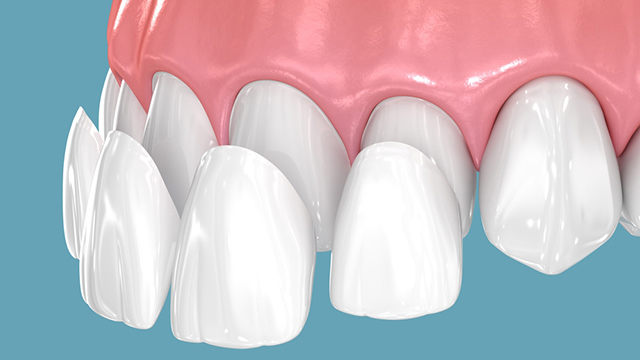
Laminate veneers are thin, custom shells — usually ceramic — bonded to the front surface of teeth to improve their color, shape, size, or minor alignment, mainly in the visible smile zone.
Learn More
Bone-Regenerating Implants
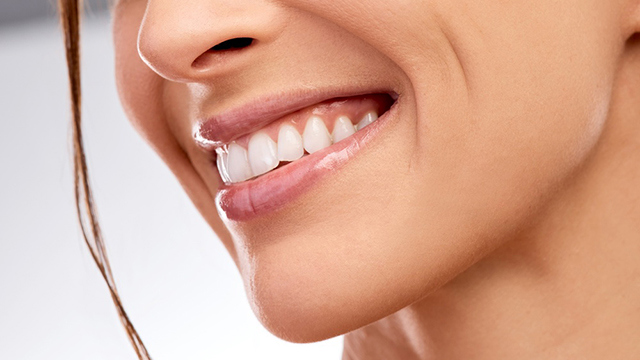
Bone-regenerating implants involve a bone transplant procedure that adds bone material to areas with insufficient bone, helping create a suitable foundation for dental implant placement.
Learn More
Bone Graft Implants
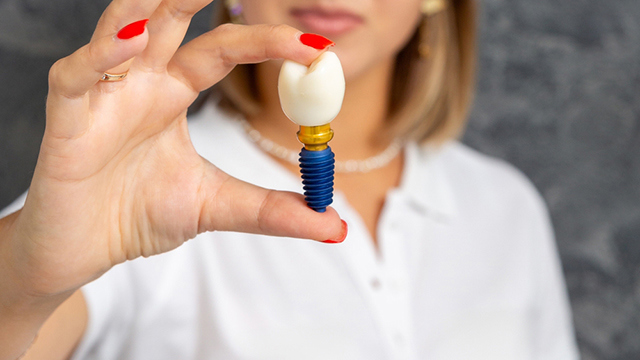
Bone graft implant treatment addresses one of the most common obstacles to getting a dental implant: not having enough bone to hold one securely.
Learn More