Trusted Dental Care in Seoul Since 1997 · SNU Dental Alumni · Multilingual Concierge


General Dentistry · Needs Clinic Confirmation
Resin Fillings
Resin fillings use a tooth-colored composite material to repair teeth affected by decay or minor damage, restoring function while preserving more of the tooth's natural appearance than a metal filling.
Schedule a ConsultationResin (Composite) Fillings

Medically reviewed by Dr. Huh Byeong-soo, Director, Dongdaemun Dental Clinic, Seoul
Resin fillings use a tooth-colored composite material to repair teeth affected by decay or minor damage, restoring function while preserving more of the tooth's natural appearance than a metal filling. At Dongdaemun Dental Clinic, a straightforward resin filling can often be completed in a single visit following examination.
Why Patients Seek This Treatment
Patients may choose resin fillings because the material can provide a natural-looking result while preserving more healthy tooth structure than some alternative restorations, making it a common choice for visible teeth as well as back teeth.
Who Is a Good Candidate
Patients with small-to-moderate cavities or minor tooth defects are generally suitable candidates. Extensive tooth damage, severe decay, or cases requiring a larger restoration may need a different treatment such as an inlay or a crown instead — the examining dentist determines which category a specific tooth falls into.
Consultation and Diagnosis
The dentist examines the tooth and may use X-rays to determine the extent of decay and the appropriate restoration. This assessment is what confirms whether a direct resin filling is appropriate or whether a larger restoration is actually needed.
How Treatment Proceeds
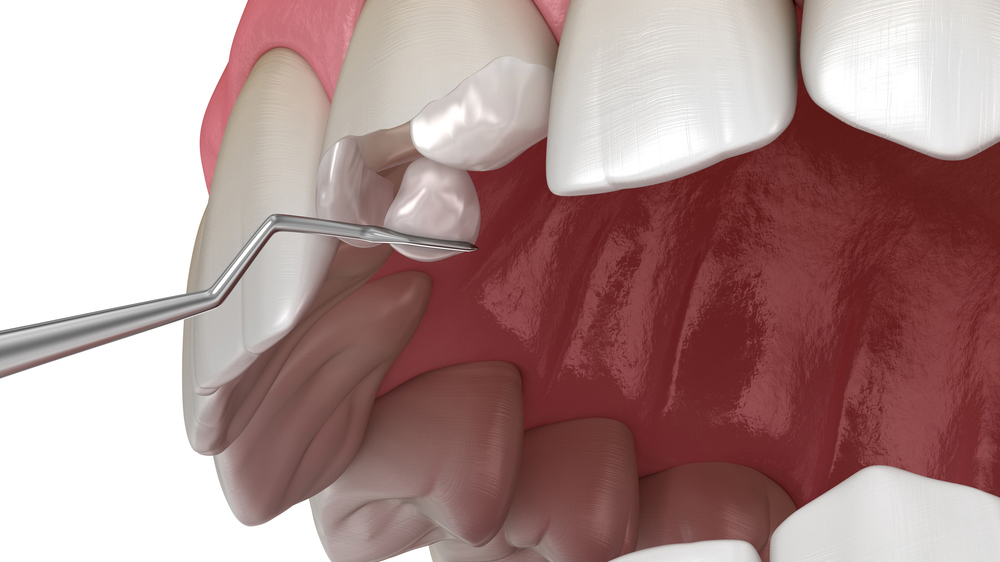
Examination, including X-rays where needed to assess the extent of decay.
Local anesthesia is used when needed to keep the procedure comfortable.
The decayed portion is removed and the area is cleaned.
Bonding and composite resin are applied, shaped to match the tooth.
The material is hardened with a curing light.
The bite is checked and adjusted as needed before the patient leaves.
Is It Painful
Resin fillings are usually done under local anesthesia when needed and are generally well tolerated; very small or superficial restorations may sometimes be performed without anesthesia depending on the tooth and the patient's sensitivity. The clinic's specific approach to anesthesia for this procedure should be confirmed at consultation.
Benefits
Resin fillings can restore tooth function and provide a tooth-colored appearance that blends with the surrounding teeth, addressing both the functional and cosmetic sides of a cavity or minor tooth defect in the same treatment.
Composite Versus Metal Fillings
According to the American Dental Association, composite resin fillings provide good durability and resistance to fracture in small- to mid-size restorations that need to withstand the ordinary pressure of chewing, and can be used on either front or back teeth — making them a broadly applicable option rather than one limited to cosmetically visible areas. Tooth-colored fillings are now used more often than amalgam or gold fillings, largely for cosmetic reasons, since composite blends with the natural tooth color rather than standing out. The ADA also notes that composite fillings can cost more than amalgam and, according to some studies, may need replacement somewhat more often — tradeoffs worth being aware of when discussing filling material options at consultation. Placing a composite filling also generally takes longer than a metal filling, because the tooth needs to be kept clean and dry throughout the process.
Signs You Might Need a Filling
Sensitivity to hot, cold, or sweet foods, a visible dark spot or small hole on a tooth, a rough or catching feeling when running your tongue over a tooth surface, or mild discomfort when biting down can all indicate a cavity or minor tooth damage that a resin filling could address. Catching these signs early is part of why a small, straightforward filling is possible in the first place — waiting longer generally allows the same problem to progress toward needing a larger restoration instead.
Temporary sensitivity, wear, staining, chipping, or recurrent decay can occur over time with any filling material, resin included. Larger restorations can be subject to greater functional stress, which is one reason very extensive damage is better addressed with an inlay or crown rather than a direct filling.
Recovery Timeline
Recovery is generally immediate, with any sensitivity typically temporary. Normal activities and eating can usually resume once any numbness from anesthesia has worn off, avoiding chewing until sensation fully returns so you don't accidentally bite your cheek, lip, or tongue.
Preparing for Treatment
Follow the dentist's examination and treatment recommendations; usually no special preparation is required beyond normal oral hygiene and disclosing any relevant symptoms, previous dental treatment, medications, or medical conditions.
Aftercare
Maintain regular brushing and flossing, avoid excessive biting forces on the restored tooth if the dentist advises particular caution, and attend dental check-ups so the restoration can be monitored over time.
Results Timeline and Longevity
The restoration is functional and visible immediately after placement, curing, shaping, and polishing. Longevity varies with oral hygiene, bite forces, diet, and the size and location of the filling — there is no single fixed lifespan that applies to every restoration.
Duration and Visit Requirements
A straightforward filling is commonly completed in one visit, with total time varying according to which tooth is involved and the extent of treatment needed. This makes resin fillings one of the more time-efficient general dentistry services for a patient managing a limited number of visits.
Alternative Treatments and Comparisons
Depending on the condition of the tooth, alternatives can include glass-ionomer fillings, indirect restorations, crowns, or other restorative treatments — the appropriate option depends on how much of the tooth structure needs to be addressed, which is assessed at the examination stage rather than chosen by preference alone.
Combining With Other Treatment
Resin fillings can be performed alongside other appropriate dental treatments, including scaling and cleaning, periodontal treatment, additional restorations, root canal treatment, crowns, inlays, or other restorative procedures when clinically indicated, allowing multiple concerns to be addressed efficiently within a limited number of visits.
How This Differs From Cavity Treatment More Broadly
Resin filling is one specific treatment option within the clinic's broader cavity treatment approach, generally reserved for smaller, more straightforward cases rather than the fuller range of severity that a general cavity consultation can lead to — which spans from a simple filling through an inlay, a crown, or root canal treatment for more advanced decay. Patients whose examination reveals more extensive damage than a direct filling can appropriately address would be guided toward one of those other options instead, rather than having a resin filling placed in a situation it isn't suited for.
Why Dongdaemun Dental Clinic
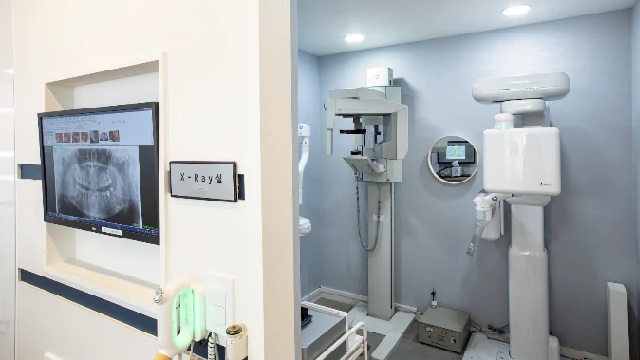
Structured diagnostic examination determines whether a direct filling or a larger restoration is the right fit for a given tooth.
Same-visit restoration protocol for straightforward cases.
Seoul National University-trained dentists.
English, Japanese, and Chinese translation service for international patients.
Planning Your Visit as a US or International Patient
A straightforward resin filling generally does not require a prolonged stay in Korea; if the diagnosis is uncomplicated and only one or a few fillings are needed, treatment may be completed during a single dental visit. Patients requiring multiple restorations, or treatment alongside other dental work, should allow additional time. US patients typically fly into Incheon (ICN) or Gimpo (GMP), with the clinic reachable via AREX train plus subway to Dongdaemun Station (Lines 1 and 4), Exit 9; K-ETA generally allows visa-free entry for short stays for US passport holders, subject to confirming current requirements. English, Japanese, and Chinese translation service is available throughout the visit.
What to Bring to Your Consultation
Clear photographs of the affected tooth, previous dental X-rays or scans, previous treatment records, and information about current symptoms and relevant medications or medical history can help the dentist assess your case efficiently, particularly useful for an international patient's preliminary inquiry before traveling.
Setting Realistic Expectations
A resin filling cannot guarantee that the tooth will never develop additional decay, sensitivity, fracture, or another dental problem, nor can it be guaranteed to last permanently. Large restorations, heavy biting forces, and poor oral hygiene can all reduce longevity — appropriate claims for this treatment are limited to restoring tooth function and providing a natural, tooth-colored appearance rather than promising permanence.
The Bottom Line
Resin fillings use tooth-colored composite material to repair decay or minor damage while preserving more natural tooth structure than some alternatives.
A straightforward case is commonly completed in one visit.
Composite material generally takes longer to place than metal fillings but blends with the natural tooth color.
Longevity depends on oral hygiene, bite forces, diet, and the size and location of the filling.
More extensive damage may need a different restoration such as an inlay or crown instead.
Frequently Asked Questions
Can international patients complete resin fillings in one visit? A straightforward, uncomplicated case can often be completed in a single visit; patients needing multiple restorations or additional treatment should plan for more time.
How long should international patients stay in Korea for this treatment? This depends on how many fillings are needed and whether other dental treatment is planned alongside them — a single straightforward filling generally requires the least time.
Can I travel home after resin filling treatment? There is generally no special flying restriction after an uncomplicated resin filling once any numbness from anesthesia has worn off; if another procedure was performed at the same time, the travel recommendation may change.
Will this be painful? Local anesthesia is used when needed and the procedure is generally well tolerated; very small restorations may sometimes be done without anesthesia depending on the case.
How long will the filling last? Longevity varies with oral hygiene, bite forces, diet, and the size and location of the filling — there is no fixed lifespan that applies to every restoration.
Why choose a resin filling over a metal one? Composite resin blends with the natural tooth color and preserves more tooth structure, though it can cost more and, per some studies, may need replacement somewhat more often than a metal filling.
What if my cavity is too large for a filling? More extensive damage may require an inlay, onlay, or crown instead — this is determined at the examination stage based on how much tooth structure needs to be addressed.
Can resin fillings be combined with other treatment? Yes — fillings can be performed alongside scaling and cleaning, periodontal treatment, additional restorations, or other restorative procedures when clinically appropriate.
Will I need follow-up visits after a filling? A straightforward filling usually does not require a dedicated follow-up if it feels comfortable and the bite is normal; a follow-up may be needed if there is persistent sensitivity or bite discomfort.
Does this treatment require X-rays? The dentist examines the tooth and may use X-rays where needed to determine the extent of decay and the most appropriate restoration before proceeding with treatment.
Book a Consultation at Dongdaemun Dental Clinic
To discuss resin fillings, contact Dongdaemun Dental Clinic in Seoul. The clinic is open Monday to Friday 10:00 AM–6:00 PM KST with a lunch break from 12:00 PM to 1:00 PM, and Saturday 10:00 AM–2:00 PM KST, closed Sundays and public holidays. Enquire through the contact page or by telephone on +82-2-2268-9529.
Disclaimer
This page is for general informational purposes and does not constitute individualized medical advice. Candidacy, technique, and expected outcomes can only be determined through a consultation with a qualified dentist.
Sources & Further Reading
Other Services
Explore additional dental treatments offered by our specialists.
Laminate (Veneers)
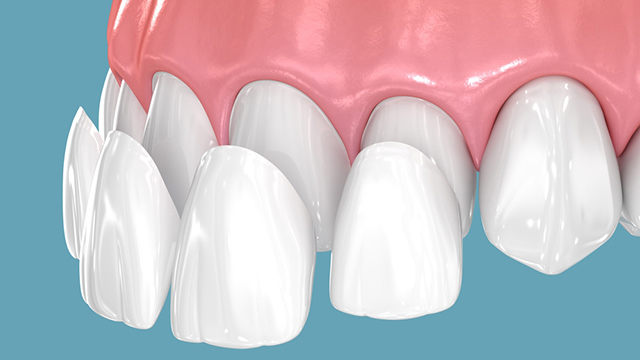
Laminate veneers are thin, custom shells — usually ceramic — bonded to the front surface of teeth to improve their color, shape, size, or minor alignment, mainly in the visible smile zone.
Learn More

Bone-Regenerating Implants
Bone-regenerating implants involve a bone transplant procedure that adds bone material to areas with insufficient bone, helping create a suitable foundation for dental implant placement.
Learn More
Bone Graft Implants
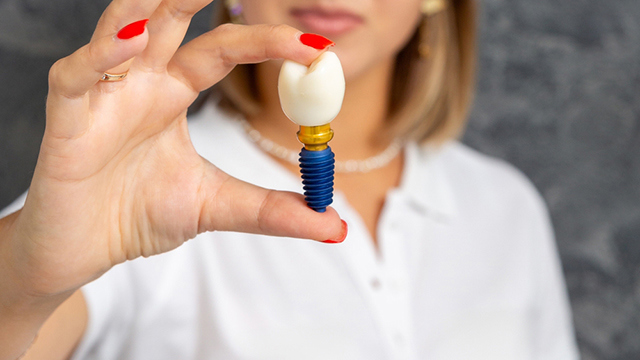
Bone graft implant treatment addresses one of the most common obstacles to getting a dental implant: not having enough bone to hold one securely.
Learn More