Trusted Dental Care in Seoul Since 1997 · SNU Dental Alumni · Multilingual Concierge


General Dentistry · Needs Clinic Confirmation
Wisdom Tooth Extraction
Wisdom tooth extraction removes third molars that typically develop between the ages of 17 and 25 and, according to Dongdaemun Dental Clinic, often fail to erupt properly because they become trapped or blocked by the jaw
Schedule a ConsultationWisdom Tooth Extraction

Medically reviewed by Dr. Huh Byeong-soo, Director, Dongdaemun Dental Clinic, Seoul
Wisdom tooth extraction removes third molars that typically develop between the ages of 17 and 25 and, according to Dongdaemun Dental Clinic, often fail to erupt properly because they become trapped or blocked by the jawbone. Extraction is generally recommended when wisdom teeth erupt abnormally and are identified as a source of pain or other complications during examination.
Why Patients Seek This Treatment
Patients seek wisdom tooth extraction to relieve pain and help prevent problems associated with abnormal wisdom teeth, including cavities in adjacent teeth, bad breath, gum inflammation, and complications related to impacted wisdom teeth.
Who Is a Good Candidate
Patients whose wisdom teeth erupt abnormally or become impacted — causing pain, tooth decay, pressure on neighboring teeth, gum inflammation, or other complications as identified during examination — are generally suitable candidates for extraction.
Consultation and Diagnosis
Treatment begins with registration, a pre-treatment questionnaire, and a one-on-one consultation to assess dental health, followed by a detailed examination using precision diagnostic equipment and clinical examination to accurately identify the condition and establish a treatment plan.
How Treatment Proceeds

Registration and consultation, including a pre-treatment questionnaire and dental assessment.
Detailed examination using precision diagnostic equipment and clinical evaluation.
The dentist identifies the location and shape of the wisdom tooth and safely removes it.
Periodic follow-up visits are scheduled to monitor healing and provide ongoing care.
Why Wisdom Teeth Often Cause Problems
According to the American Dental Association, wisdom teeth can lead to problems when there isn't enough space for them to surface or when they come through in the wrong position — a situation dentists describe as impacted, meaning the tooth is trapped in the jaw or under the gums. As a wisdom tooth attempts to erupt in this trapped position, it can allow food to become caught, create an entry point for bacteria and infection, and in some cases form a cyst that damages the roots of nearby teeth or the supporting bone. This general pattern is consistent with the clinic's own description of wisdom teeth as a type of tissue that often fails to erupt properly due to jawbone constraints.
When Extraction Is Typically Recommended
Reasons a dentist may recommend removal generally include pain, infection, cysts, damage to neighboring teeth, gum disease, and tooth decay that cannot reasonably be restored, per the American Dental Association's general patient guidance. At Dongdaemun Dental Clinic specifically, extraction is recommended when the examination identifies abnormal eruption together with associated complications such as these.
Benefits
Wisdom tooth extraction may provide pain relief, help prevent cavities in adjacent teeth, reduce bad breath, and address problems caused by impacted or abnormally erupted wisdom teeth, according to the clinic's own patient information.
What Recovery Generally Involves
Recovery specifics for this procedure were not independently confirmed by the clinic, but general guidance from the American Association of Oral and Maxillofacial Surgeons describes swelling, pain, and discomfort as common during the first few days after extraction, along with the possibility of light bleeding — symptoms that generally improve gradually over time. An ice pack applied intermittently during the first 48 to 72 hours is commonly recommended to help reduce swelling, with moist heat sometimes suggested afterward for ongoing jaw soreness. Soft foods and adequate fluid intake are typically recommended in the initial days, while hard or crunchy foods, using a straw, and smoking are generally best avoided since they can disturb the healing clot at the extraction site.
The Healing Timeline in General Terms
Per AAOMS guidance, the surgical site typically begins regenerating new tissue after about the first week, with the initial healing phase generally spanning one to two weeks and continued healing over roughly two to four weeks afterward, though the exact pace varies from person to person. If all four wisdom teeth are removed in the same visit, each individual site heals as its own separate area and may progress at a different pace. Persisting seriously, this general guidance should be confirmed against the specific instructions your dentist provides after your own procedure, since individual cases vary.
Oral Hygiene During Healing
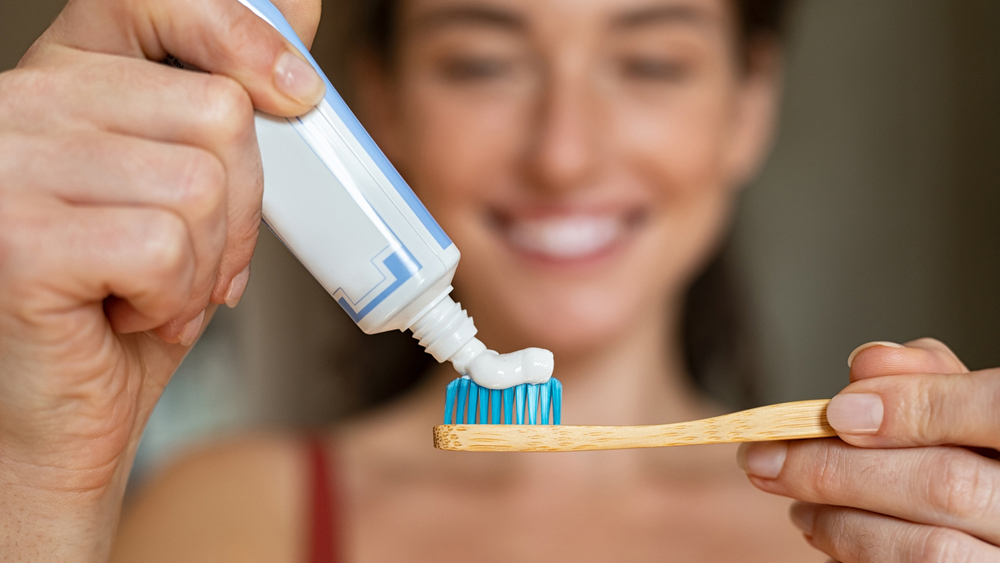
General surgical guidance recommends resuming gentle brushing the day after extraction while avoiding the surgical site directly, along with gentle warm salt-water rinsing to support healing rather than vigorous rinsing, which can dislodge the protective blood clot and lead to a painful complication called dry socket. These are general recovery principles from oral surgery guidance rather than clinic-specific instructions, which should be confirmed directly with your dentist at Dongdaemun Dental Clinic following your own procedure.
Signs Your Wisdom Teeth May Need Attention
Pain or pressure near the back of the jaw, swelling or tenderness in the gums behind the last molar, difficulty fully opening the mouth, bad breath or an unpleasant taste that doesn't resolve with normal brushing, and visible crowding or shifting of nearby teeth can all indicate an impacted or problematic wisdom tooth. None of these need to be severe before scheduling an examination — catching an impacted wisdom tooth before it causes infection or damage to a neighboring tooth is generally more straightforward than addressing those complications after the fact.
Understanding Impaction in More Detail
An impacted wisdom tooth is one that hasn't fully erupted through the gum and bone into its expected position, usually because there simply isn't enough room in the jaw. Impaction can be partial, where part of the tooth has broken through the gum while the rest remains covered, or complete, where the tooth remains fully embedded. Partial impaction is often the more problematic of the two in practical terms, since the exposed portion of the tooth creates a pocket where food and bacteria can accumulate around a surface that is difficult to clean with normal brushing, increasing the risk of localized gum infection.
Anesthesia and Sedation Options in General
Wisdom tooth extraction can be performed under various levels of anesthesia depending on the complexity of the case and the provider's assessment, ranging from local anesthesia for a straightforward extraction to deeper sedation for more involved impacted-tooth cases — this is general information about how such procedures are commonly approached, not a confirmed description of this specific clinic's protocol. The appropriate approach for an individual patient is determined at consultation based on the position and condition of the tooth being removed.
Periodic follow-up visits are scheduled after extraction to monitor healing and provide ongoing care, consistent with the clinic's broader pattern of structured post-treatment monitoring across its general dentistry services.
Technology and Diagnostic Approach
The clinic's protocol relies on precision diagnostic equipment and clinical examination to accurately identify the position and shape of an impacted or abnormally erupting wisdom tooth before treatment, supporting the dentist's assessment of the safest extraction approach for that specific tooth.
Why Dongdaemun Dental Clinic

Precision diagnostic equipment and structured consultation protocol for identifying wisdom tooth position and complications.
Periodic follow-up visits scheduled to monitor healing after extraction.
Seoul National University-trained dentists.
English, Japanese, and Chinese translation service for international patients.
Planning Your Visit as a US or International Patient
Because recovery generally continues to progress over one to several weeks per general oral-surgery guidance, and because follow-up visits are part of the clinic's protocol, international patients should discuss realistic visit and recovery timing with the clinic directly rather than assuming a single same-day trip covers both the procedure and full healing. US patients typically fly into Incheon (ICN) or Gimpo (GMP), with the clinic reachable via AREX train plus subway to Dongdaemun Station (Lines 1 and 4), Exit 9; K-ETA generally allows visa-free entry for short stays for US passport holders, subject to confirming current requirements. English, Japanese, and Chinese translation service is available throughout the visit.
Keeping Wisdom Teeth Instead of Removing Them
Not every wisdom tooth needs to come out — per general ADA patient guidance, teeth that are not removed should continue to be monitored, since the potential for problems developing later still exists, particularly as patients age. Regular dental visits allow ongoing evaluation of wisdom teeth alongside overall dental health, which is consistent with the examination-first approach the clinic applies before recommending extraction in the first place.
How This Differs From Other General Dentistry Services
Wisdom tooth extraction addresses a structural eruption problem with a third molar rather than decay in an existing tooth, which is the distinction that separates it from the clinic's cavity treatment service. It's also a different procedure from resin fillings, which repair damage to a tooth that is otherwise properly positioned. Patients occasionally arrive uncertain which category their concern falls into — jaw pain near the back of the mouth, for instance, could stem from either an erupting wisdom tooth or an unrelated cavity in a nearby molar — which is exactly why the initial examination step exists, to identify the actual source of a symptom before recommending a specific treatment path.
Setting Realistic Expectations
Approved claims for this treatment are limited to what the clinic's own information supports: removing abnormally erupted or impacted wisdom teeth, and helping relieve pain, prevent cavities in adjacent teeth, reduce bad breath, and manage complications associated with impacted wisdom teeth. Recovery timeline, anesthesia specifics, and exact visit requirements beyond this were not independently confirmed by the clinic and are presented here using general oral-surgery guidance for context, to be confirmed directly with the clinic for your individual case.
The Bottom Line
Extraction is recommended when examination identifies abnormal eruption or impaction causing pain or other complications.
General recovery guidance describes swelling and discomfort as common in the first few days, gradually improving over one to several weeks.
Periodic follow-up visits are part of the clinic's post-extraction protocol.
Not every wisdom tooth requires removal — some can be monitored over time instead.
Specific anesthesia and recovery details for your case should be confirmed directly with the clinic.
Frequently Asked Questions
How do I know if my wisdom teeth need to come out? The clinic's examination — including precision diagnostic equipment and clinical evaluation — identifies whether a wisdom tooth is impacted or erupting abnormally and causing complications that warrant removal.
Will this be painful? Anesthesia and pain-management specifics for this procedure were not independently confirmed; general oral-surgery guidance describes some discomfort as common in the days following extraction, generally improving over time.
How long does recovery take? General guidance from oral and maxillofacial surgery sources describes an initial healing phase of roughly one to two weeks, with continued healing over two to four weeks, though individual recovery varies and should be discussed with your dentist.
Do all four wisdom teeth need to come out at once? This depends on your individual examination findings; if multiple teeth are extracted in the same visit, each site heals as its own separate area.
What if I don't want to remove my wisdom teeth? Wisdom teeth that are not removed can continue to be monitored through regular dental visits, since the potential for future problems remains even if there are no issues currently.
What foods should I eat during recovery? General guidance recommends soft foods and adequate fluids in the initial days, avoiding hard or crunchy foods, straws, and smoking, which can disturb healing — confirm specifics with your dentist.
Will I need follow-up visits after extraction? Yes — the clinic schedules periodic follow-up visits afterward to monitor healing and provide ongoing care as needed.
Can I travel internationally soon after extraction? This depends on your individual healing progress and the clinic's assessment; discuss realistic travel timing directly with the clinic given that recovery generally continues over one to several weeks.
What causes wisdom tooth pain in the first place? Pain often results from impaction — a tooth trapped in the jaw or under the gum without enough room to erupt properly — which can trap food, create an entry point for infection, or press against neighboring teeth.
Does this procedure require special anesthesia? Anesthesia details for this specific procedure were not independently confirmed as part of this content; ask the clinic directly what to expect for your individual case before your appointment.
Book a Consultation at Dongdaemun Dental Clinic
To discuss wisdom tooth extraction, contact Dongdaemun Dental Clinic in Seoul. The clinic is open Monday to Friday 10:00 AM–6:00 PM KST with a lunch break from 12:00 PM to 1:00 PM, and Saturday 10:00 AM–2:00 PM KST, closed Sundays and public holidays. Enquire through the contact page or by telephone on +82-2-2268-9529.
Disclaimer
This page is for general informational purposes and does not constitute individualized medical advice. Candidacy, technique, and expected outcomes can only be determined through a consultation with a qualified dentist.
Sources & Further Reading
Other Services
Explore additional dental treatments offered by our specialists.
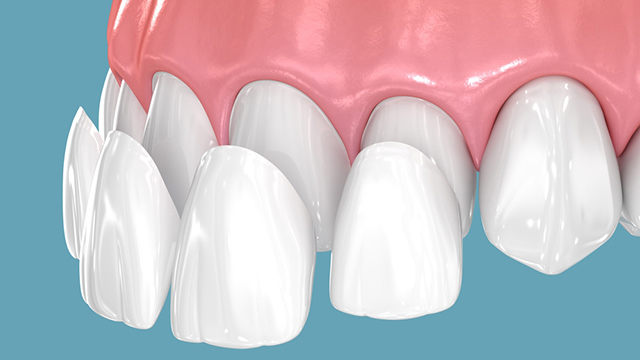
Laminate (Veneers)
Laminate veneers are thin, custom shells — usually ceramic — bonded to the front surface of teeth to improve their color, shape, size, or minor alignment, mainly in the visible smile zone.
Learn More
Bone-Regenerating Implants
Bone-regenerating implants involve a bone transplant procedure that adds bone material to areas with insufficient bone, helping create a suitable foundation for dental implant placement.
Learn More
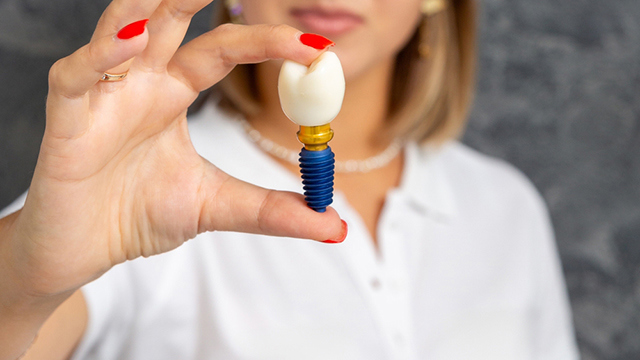
Bone Graft Implants
Bone graft implant treatment addresses one of the most common obstacles to getting a dental implant: not having enough bone to hold one securely.
Learn More