Trusted Dental Care in Seoul Since 1997 · SNU Dental Alumni · Multilingual Concierge


Specialty Overview
Aesthetic Prosthodontics
Aesthetic Prosthodontics restores damaged teeth with natural-looking crowns, veneers, inlays, and digital prosthetic treatments.
Schedule a ConsultationAesthetic Prosthodontics in Seoul
Medically reviewed by Dr. Kim Jeong-chan, Representative Director and Head Dentist, Dongdaemun Dental Clinic, Seoul
Aesthetic Prosthodontics at Dongdaemun Dental Clinic covers restorations that repair or rebuild damaged teeth while keeping their natural appearance: all-ceramic and zirconia crowns, digitally planned prosthetic treatment, laminate veneers, and dental inlays. Restorations are planned using the clinic's CEREC Primescan digital 3D intraoral scanner (Dentsply Sirona) and produced through its in-house dental laboratory.
What Aesthetic Prosthodontics Covers
Four services make up this specialty at the clinic:
Digital Prosthetic Treatment — digital scanning and CAD/CAM design used to plan crowns, inlays, onlays, and bridges.
All-Ceramic / Zirconia Crowns — full-coverage, tooth-colored restorations for damaged, weakened, or heavily restored teeth.
Laminate (Veneers) — thin ceramic shells bonded to the front of teeth to improve color, shape, or minor alignment.
Dental Inlays — custom restorations for teeth with more damage than a filling can support but not enough to need a crown.
Digital Prosthetic Treatment
Digital prosthetic treatment uses digital intraoral scanning and computer-aided design and manufacturing (CAD/CAM) to plan and fabricate restorations such as crowns, inlays, onlays, and bridges. Dongdaemun Dental Clinic uses the CEREC Primescan digital 3D intraoral scanner from Dentsply Sirona, which digitally scans the mouth and reduces the need for conventional impression materials, together with an in-house dental laboratory.
Who it suits. Patients needing tooth-colored or functional restorations — crowns, inlays/onlays, bridges, or implant prostheses — particularly where accurate digital records can support the restoration's design. The clinic publicly lists zirconia, all-ceramic, PFM, PFG, and gold crowns, plus ceramic and gold inlays.
Who should wait. Digital scanning is not automatically suited to every case. Difficult-to-scan anatomy, active bleeding or moisture contamination, very limited mouth opening, or complex full-arch situations may call for conventional impressions or additional verification, determined at examination.
Benefits. A more comfortable scanning experience than conventional impression material, a digital 3D record, and an efficient digital handoff to the dental laboratory for CAD/CAM fabrication. A digital workflow does not by itself guarantee a perfect result — preparation, scanning quality, design, fabrication, material choice, bite, and follow-up all still matter.
All-Ceramic / Zirconia Crowns
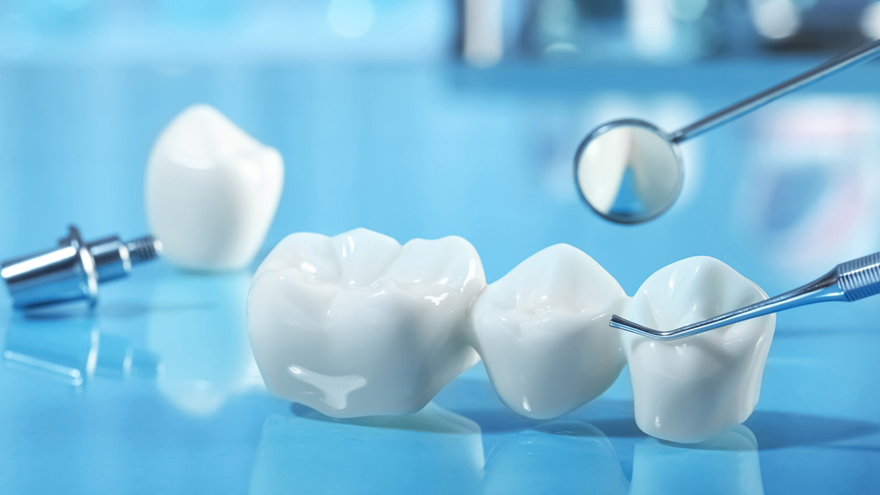
An all-ceramic crown is a tooth-colored, full-coverage restoration that rebuilds a prepared tooth's shape, strength, and appearance. Zirconia is one type of ceramic material used for crowns, valued for its strength and durability.
Who it suits. Patients with a significantly damaged, weakened, decayed, heavily restored, worn, or discolored tooth that needs full-coverage restoration, once the dentist confirms enough healthy tooth structure remains.
Procedure steps:
Examine and plan the tooth.
Administer local anesthesia when needed.
Reshape the tooth to create room for the crown.
Take an impression or digital scan.
Place a temporary crown if required.
Fabricate the permanent crown.
Check fit, bite, and appearance, then cement the crown permanently.
Recovery. Crown placement is an outpatient procedure with no surgical recovery period. Mild sensitivity or gum tenderness can follow tooth preparation and generally improves; patients should follow their dentist's specific instructions.
Laminate (Veneers)
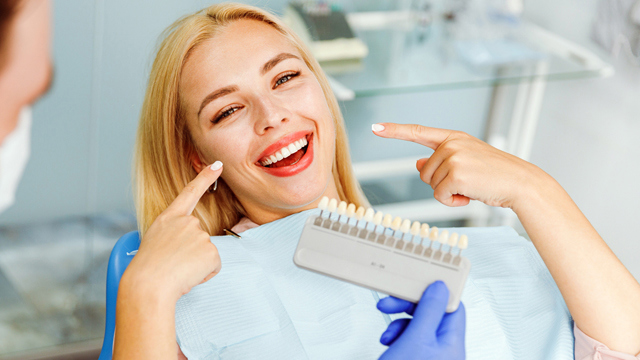
Laminate veneers are thin, custom ceramic shells bonded to the front of teeth to improve color, shape, size, or minor alignment — mainly in the visible smile zone — and typically involve less tooth preparation than a crown.
Who it suits. Generally adults with healthy teeth and gums who have cosmetic concerns such as discoloration, minor chips, irregular shape, or small gaps, once the dentist has assessed tooth structure, bite, gum health, and available enamel.
Who should wait. Patients with untreated decay, active gum disease, or inadequate oral hygiene should generally have those conditions addressed first. Severe tooth damage, certain bite problems, or significant grinding may call for a different treatment or added protection such as a night guard.
Longevity. The cosmetic result is visible immediately once veneers are bonded. According to the American Dental Association, feldspathic porcelain and glass-ceramic laminate veneers have shown an overall survival rate of about 89% after an average of 9 years, though individual outcomes vary and veneers are not considered a lifetime restoration.
Dental Inlays
A dental inlay is a custom restoration placed inside a damaged or decayed tooth when a regular filling would not provide enough support but a crown is not yet needed.
Who it suits. Patients with moderate decay, cracks, or a damaged filling where enough healthy tooth structure remains for an inlay, confirmed at examination.
Procedure steps. The damaged area is removed, the tooth is prepared, an impression or digital scan is taken, the custom inlay is fabricated, and it is then bonded or cemented and adjusted to the bite. Conventional laboratory-made inlays commonly need two visits; CAD/CAM technology can allow some cases to be completed in one appointment.
Alternatives. Depending on the extent of damage, alternatives include a direct filling, an onlay covering more of the tooth's cusps, or a full crown.
Consultation and Diagnosis Across These Services
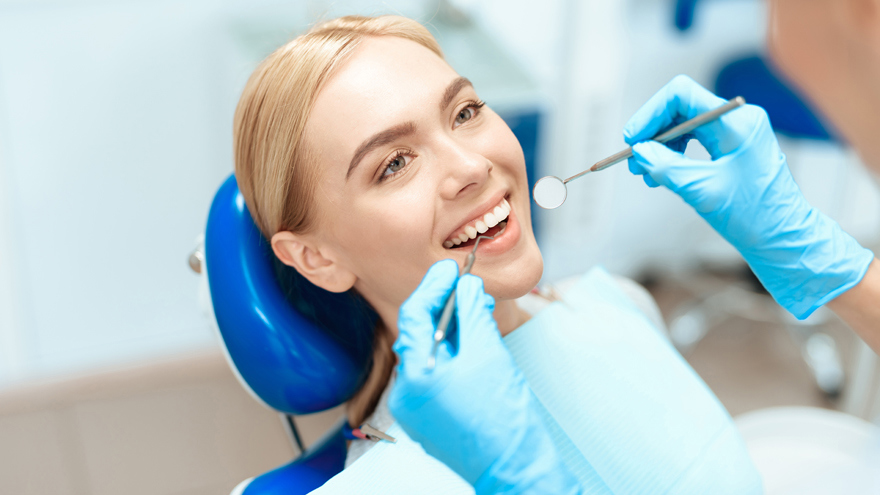
For each of these four services, the dentist first evaluates the tooth or teeth, remaining tooth structure, gums, bite, and (for veneers) aesthetic goals, sometimes with photographs, X-rays, or other imaging. The dentist then determines whether the case is suitable for the requested restoration and, for crowns and prosthetics, whether a digital workflow fits the case. The clinic's stated general consultation flow — inquiry by phone, KakaoTalk, or an online booking board, followed by an in-clinic exam with CEREC Primescan 3D scanning and imaging — applies before treatment is finalized.
Anesthesia and Comfort
Local anesthesia is commonly used for tooth preparation across crowns, veneers, and inlays; digital scanning itself does not require anesthesia. Some cases with minimal or no tooth preparation — for example certain veneer cases — may need little or no anesthesia, decided case by case. Temporary sensitivity after preparation is common and generally improves over the following days.
Risks and What Cannot Be Guaranteed
Across these restorations, possible issues include temporary sensitivity, bite discomfort, restoration fracture or chipping, loosening or debonding, recurrent decay around the margins, and gum irritation. Zirconia crowns can specifically debond, wear an opposing tooth, or fracture; veneers can chip, debond, or show staining at the margins over time; inlays can loosen or fail if decay recurs beneath them.
What cannot be guaranteed. No restoration in this group can be guaranteed to be permanent, achieve a perfect color match, or remain free of future sensitivity or complications. Veneer treatment is generally irreversible once enamel has been prepared. Longevity for all four services depends on the material chosen, bite forces, grinding habits, oral hygiene, and regular dental care.
Aftercare Across These Services
Maintain regular brushing and interdental cleaning, avoid using treated teeth to bite very hard objects, and attend the follow-up visits the clinic schedules to check bite and restoration fit. Patients who grind or clench their teeth may be advised to use a protective night guard, particularly after veneer or crown placement.
How the Clinic Reduces Risk
The clinic uses its CEREC Primescan digital 3D scanner for precision diagnosis in place of conventional rubber impressions, applies a one-instrument-set-per-patient sterilization policy, and relies on Seoul National University-trained dentists for clinical evaluation and treatment planning.
Alternatives and How These Services Differ
Digital and conventional prosthetic workflows differ mainly in how the tooth is recorded — an intraoral digital scan and CAD/CAM design versus a physical impression and model — with digital methods generally more comfortable and efficient, and conventional impressions still useful where digital scanning is clinically difficult. All-ceramic and zirconia crowns cover the whole visible tooth and remove more structure than a veneer, which covers only the front surface; an inlay, in turn, restores less of the tooth than either a crown or an onlay and is reserved for damage a filling cannot support. Choosing between them is a clinical decision made after examination, not a matter of patient preference alone.
Combination Procedures
Depending on diagnosis, these restorations may be combined with root canal treatment, periodontal treatment, fillings or core build-up, tooth preparation, implant placement, or bone-grafting procedures. Veneers in particular are often planned together with professional teeth whitening, completed first, since conventional whitening does not change the color of an already-placed veneer.
What Independent Dental Research Shows
Beyond the clinic's own materials, independent dental research helps set realistic expectations for this group of restorations. The Cleveland Clinic notes that dental crowns — whether all-ceramic, zirconia, metal, or a metal-ceramic combination — commonly last between five and fifteen years with proper care, a range that depends heavily on oral hygiene, bite forces, and regular dental visits rather than the material alone. Peer-reviewed research on zirconia specifically has found that fully sintered zirconia ceramics can reach a flexural strength of at least 800 megapascals, among the highest of any dental ceramic, which is part of why zirconia is increasingly used for crowns on back teeth that bear heavy chewing loads. For inlays specifically, a systematic review and meta-analysis of ceramic and resin inlay, onlay, and overlay restorations found survival rates that vary by material and follow-up period, reinforcing that longevity depends on more than one variable — supporting the clinic's own guidance that no restoration in this specialty can be guaranteed to last a fixed number of years.
Who Provides Your Care
|
|
Dr. Kim Jeong-chan, Representative Director | Dr. Huh Byeong-soo, Master's Degree in Dentistry |
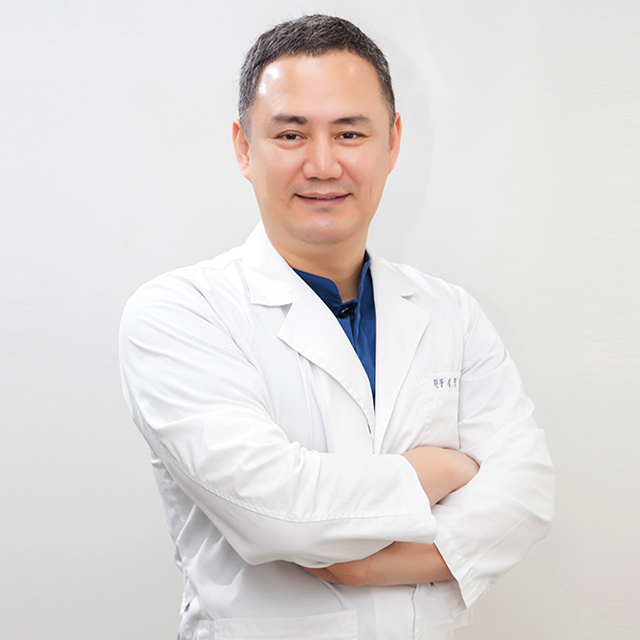
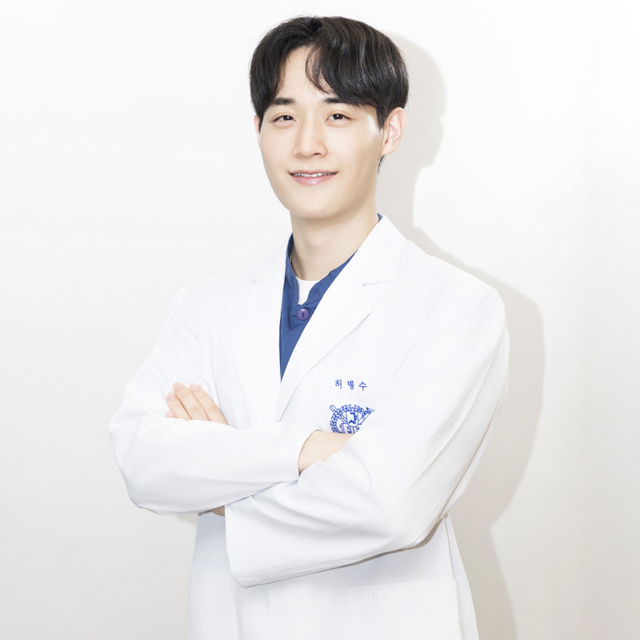
Dentists at Dongdaemun Dental Clinic are all Seoul National University-trained. Representative director Dr. Kim Jeong-chan brings a periodontology background and roughly 30 years of clinical experience to the clinic's overall treatment philosophy. Dr. Huh Byeong-soo, Director, trained in the Deep Implant System at both Basic and Master level after graduate study at SNU's Graduate School of Dentistry and an externship at Osaka University School of Dentistry, and lists general dentistry and implant treatment among his core specializations.
Language Support for International Patients
The clinic offers a dedicated translation service for foreign patients in English, Japanese, and Chinese, and states there are no language limitations across patient services, not only an initial consultation.
Why Dongdaemun Dental Clinic
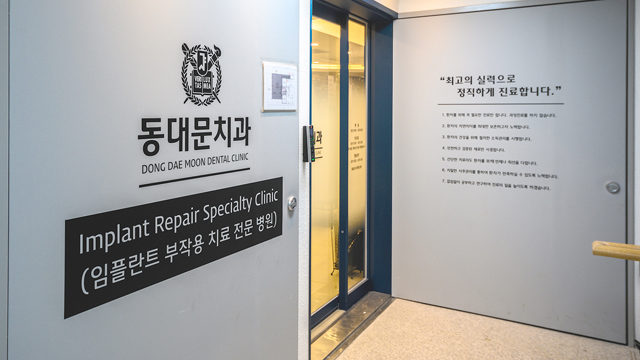
CEREC Primescan digital 3D intraoral scanning is used across all four services in this specialty, supporting precise diagnosis and CAD/CAM restoration design.
An in-house dental laboratory has supported prosthetic fabrication since 2003.
A one-instrument-set-per-patient sterilization policy applies clinic-wide.
Dentists are all Seoul National University-trained.
Over 75% of new patients are reported to arrive by referral.
English, Japanese, and Chinese translation service is available for international patients.
Planning Your Visit as a US or International Patient
US patients generally fly into Incheon (ICN) or Gimpo (GMP), with direct flights from many US hubs taking roughly 13–15 hours; from Incheon, the clinic is reachable by AREX train plus subway to Dongdaemun Station (Lines 1 and 4), Exit 9. US passport holders can generally enter Korea visa-free for short stays via K-ETA, though current entry requirements should be confirmed before booking. An online consultation board is available before travel, and phone or KakaoTalk contact is available during clinic hours (KST) for follow-up questions after returning home.
Treatment involving a dental laboratory — crowns, veneers, and most inlays — commonly needs more than one appointment, so international patients should plan for multiple visits rather than assume same-day completion; some digital workflows may allow different scheduling, confirmed with the clinic during consultation.
The Bottom Line
Aesthetic Prosthodontics at the clinic covers digital prosthetic treatment, all-ceramic/zirconia crowns, laminate veneers, and dental inlays.
Restorations are planned with CEREC Primescan digital 3D scanning and produced through the clinic's in-house dental laboratory.
Crowns and veneers generally need more than one appointment when a dental laboratory fabricates the restoration; inlays commonly need two visits, occasionally one with CAD/CAM.
None of these restorations is guaranteed to be permanent — longevity depends on material, bite forces, habits, and maintenance.
English, Japanese, and Chinese language support is available throughout the process for international patients.
Frequently Asked Questions
Who is a good candidate for aesthetic prosthodontics? Patients with a damaged, weakened, decayed, or cosmetically compromised tooth suited to a crown, veneer, or inlay, confirmed by examination and, where relevant, digital scanning.
Is treatment painful? Local anesthesia is used for tooth preparation when needed; digital scanning itself does not require anesthesia. Temporary sensitivity after preparation is common and generally improves.
How many visits will this take? Most of these restorations are fabricated in a dental laboratory and need more than one visit — typically an examination/preparation appointment and a separate fitting or placement appointment. Some digital workflows may allow different scheduling, confirmed at consultation.
How does digital scanning change treatment? The CEREC Primescan scanner records the mouth digitally instead of with conventional impression material, which many patients find more comfortable, and sends records electronically to the in-house dental laboratory for CAD/CAM design and fabrication.
Can these procedures be combined? Yes. Depending on diagnosis, they may be combined with root canal treatment, periodontal treatment, fillings, implant placement, or bone-grafting; veneers are often planned together with teeth whitening, completed beforehand.
Is online consultation available before I travel? Yes — the clinic offers an online consultation board for prospective patients to discuss their case in advance.
What if I have a concern after I return home? Patients can contact the clinic by phone at +82-2-2268-9529, or by KakaoTalk during clinic hours (KST).
Will I be able to communicate with the dentist in English? Yes. The clinic offers a dedicated translation service for foreign patients in English, Japanese, and Chinese, with no stated language limitations across patient services.
Book a Consultation at Dongdaemun Dental Clinic
To discuss digital prosthetic treatment, all-ceramic or zirconia crowns, veneers, or dental inlays, contact Dongdaemun Dental Clinic in Seoul. The clinic is open Monday to Friday 10:00 AM–6:00 PM KST with a lunch break from 12:00 PM to 1:00 PM, and Saturday 10:00 AM–2:00 PM KST, closed Sundays and public holidays. Enquire through the contact page or by telephone on +82-2-2268-9529.
Disclaimer
This page is for general informational purposes and does not constitute individualized medical advice. Candidacy, technique, and expected outcomes can only be determined through a consultation with a qualified dentist.
Sources & Further Reading
Related Services
Dental procedures available within our specialized departments.
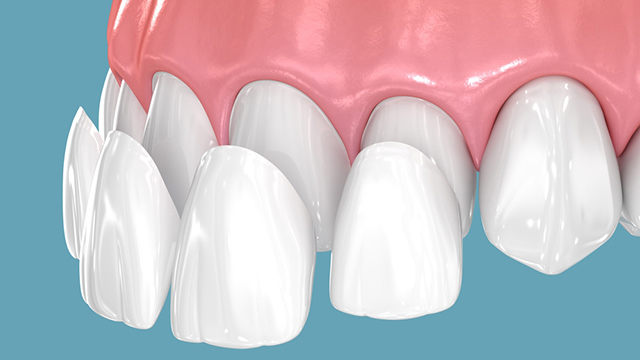
Laminate (Veneers)
Laminate veneers are thin, custom shells — usually ceramic — bonded to the front surface of teeth to improve their color, shape, size, or minor alignment, mainly in the visible smile zone.
Learn More
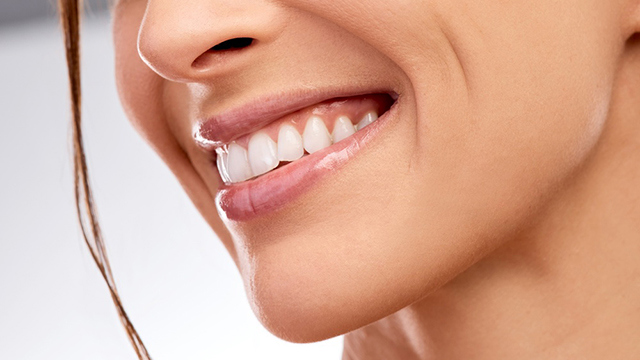
Bone-Regenerating Implants
Bone-regenerating implants involve a bone transplant procedure that adds bone material to areas with insufficient bone, helping create a suitable foundation for dental implant placement.
Learn More
Bone Graft Implants
Bone graft implant treatment addresses one of the most common obstacles to getting a dental implant: not having enough bone to hold one securely.
Learn More