Trusted Dental Care in Seoul Since 1997 · SNU Dental Alumni · Multilingual Concierge


Specialty Overview
General Dentistry
General Dentistry provides comprehensive care for common dental concerns, helping preserve natural teeth and maintain long-term oral health.
Schedule a ConsultationGeneral Dentistry Services in Seoul

Medically reviewed by Dr. Huh Byeong-soo, Director, Dongdaemun Dental Clinic, Seoul
General Dentistry at Dongdaemun Dental Clinic covers cavity treatment, wisdom-tooth extraction, and resin fillings, alongside periodontal treatment, scaling, and orthodontics available elsewhere at the clinic. The clinic's stated approach across these services is to preserve natural teeth as much as possible.
What General Dentistry Covers
Three procedures make up the core of general dentistry care at the clinic:
Cavity treatment for teeth damaged by dental caries, using direct restoration, an inlay, a crown, or root canal treatment depending on severity.
Wisdom tooth extraction for third molars that erupt abnormally or become impacted.
Resin fillings using tooth-colored composite material to repair teeth affected by decay or minor damage.
Cavity Treatment
Cavity treatment addresses teeth damaged by dental caries. Depending on the severity of the decay, treatment may include direct restoration, an inlay, a crown, or root canal treatment. Early treatment matters because pain can begin and progressively worsen if treatment is delayed.
Who it suits. Patients diagnosed with tooth decay requiring treatment. Depending on the stage of decay, candidates may receive direct restoration, an inlay, a crown, or root canal treatment as determined during consultation and examination.
Why patients seek it. To restore chewing ability, improve accurate pronunciation, prevent the spread of tooth decay, and relieve problems caused by dental caries before they become more severe.
How treatment is staged, by severity:
Stage of decay | Typical treatment |
|---|---|
Early-stage | Direct restoration |
Moderate | Inlay |
Extensive damage or fracture | Crown |
Decay reaching the nerve | Root canal treatment |
Decay progressed to the root (advanced) | Extraction, with implant treatment considered afterward |
Wisdom Tooth Extraction
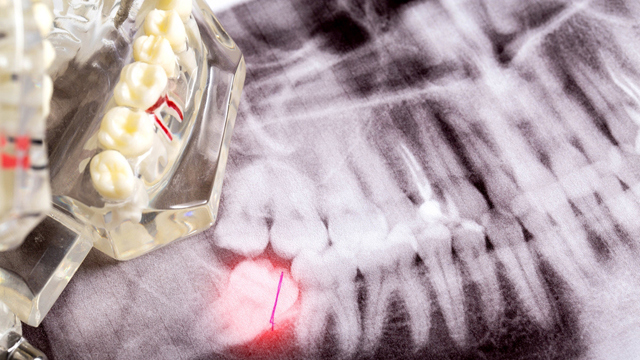
Wisdom tooth extraction removes third molars that typically develop between the ages of 17 and 25. According to the clinic, wisdom teeth are a type of degenerative tissue and often fail to erupt properly because they become trapped or blocked by the jawbone. Extraction is generally recommended when wisdom teeth erupt abnormally.
Who it suits. Patients whose wisdom teeth erupt abnormally or are impacted, causing pain, tooth decay, pressure on neighboring teeth, gum inflammation, or other complications identified during examination.
Why patients seek it. To relieve pain and help prevent problems associated with abnormal wisdom teeth, including cavities in adjacent teeth, bad breath, gum inflammation, and complications related to impacted wisdom teeth.
Procedure steps:
Registration, a pre-treatment questionnaire, and a one-on-one consultation to assess dental health.
Detailed examination using precision diagnostic equipment and clinical evaluation.
The dentist identifies the location and shape of the wisdom tooth and safely removes it.
Periodic follow-up visits monitor healing and provide ongoing care.
Resin Fillings
Resin fillings use a tooth-colored composite material to repair teeth affected by decay or minor damage, restoring function while preserving more of the natural tooth structure than some alternative restorations.
Who it suits. Patients with small-to-moderate cavities or minor tooth defects. Extensive tooth damage, severe decay, or cases requiring a larger restoration may need a different treatment such as an inlay or crown.
How it's done. The dentist examines the tooth, sometimes using X-rays to determine the extent of decay, then removes the decayed portion, cleans the area, applies bonding and composite resin, shapes it, hardens it with a curing light, and checks the bite. Local anesthesia may be used when needed to keep the procedure comfortable.
Recovery. Generally immediate, with temporary sensitivity possible. A straightforward filling is commonly completed in one visit, though time varies with the tooth and extent of treatment.
Aftercare. Maintain regular brushing and flossing, avoid excessive biting forces on the restored tooth, and attend dental check-ups. Possible issues include temporary sensitivity, wear, staining, chipping, or recurrent decay.
Recovery Expectations Across These Procedures
Recovery differs by procedure. Resin fillings have essentially immediate recovery, with normal activity resuming right away and only temporary sensitivity to watch for. Cavity treatment and wisdom-tooth extraction both rely on periodic follow-up visits afterward so the clinic can monitor the treated area and healing directly, rather than leaving recovery entirely self-assessed by the patient.
Your First Visit: Consultation and Diagnosis
Across general dentistry procedures, the clinic follows a consistent diagnostic approach: it checks the patient's dental and general health through a medical questionnaire and one-to-one consultation, followed by a detailed examination using diagnostic equipment and clinical tests to establish the appropriate treatment plan. For cavity treatment and wisdom tooth extraction specifically, this includes registration and a pre-treatment questionnaire ahead of the one-on-one consultation.
How Cavity Treatment and Extraction Proceed
For cavity treatment, the sequence is: registration and consultation with a pre-treatment questionnaire; a detailed examination using precision diagnostic equipment and clinical evaluation; local anesthesia; removal of the cavity; treatment appropriate to the severity of the decay (direct restoration, inlay, crown, or root canal); and periodic follow-up visits for continued care.
Anesthesia and Comfort
Anesthesia is used before cavity removal and treatment, and local anesthesia may be used for resin fillings when needed. Very small or superficial resin restorations may sometimes be completed without anesthesia, depending on the tooth and the patient's sensitivity.
Benefits and Realistic Outcomes
The clinic states that timely cavity treatment can improve chewing ability and pronunciation and help prevent the progression of tooth decay. Wisdom tooth extraction may relieve pain and help prevent cavities in adjacent teeth, bad breath, and gum inflammation associated with impacted teeth. Resin fillings restore tooth function with a tooth-colored appearance.
Risks and What Cannot Be Guaranteed
Delaying cavity treatment can lead to increasing symptoms and pain, and advanced decay may progress to needing root canal treatment or extraction. Resin fillings carry their own risk profile: temporary sensitivity, wear, staining, chipping, or recurrent decay can occur, and larger restorations face greater functional stress over time.
What cannot be guaranteed. A resin filling cannot guarantee that a tooth will never develop additional decay, sensitivity, or fracture, and it cannot be guaranteed to last permanently — large restorations, heavy biting forces, and poor oral hygiene can all reduce longevity.
How the Clinic Reduces Risk
The clinic checks dental and general health status, performs detailed examinations and clinical tests, establishes an appropriate treatment plan, and provides periodic follow-up care. For resin fillings specifically, this includes detailed clinical examination and precision digital diagnosis with the CEREC Primescan scanner, care from Seoul National University-trained dentists, and a one-instrument-set-per-patient sterilization policy.
Alternatives and How Procedures Differ
Cavity treatment options are selected by severity rather than presented as competing alternatives: direct restoration for earlier decay, inlay for more advanced decay, crown for extensive damage, and root canal treatment or extraction when decay reaches the nerve or root. Resin fillings differ from metal (amalgam) fillings mainly in appearance and bonding — they are tooth-colored and bond to the tooth, while larger cavities may still need an inlay or crown regardless of filling material.
Preparing for Treatment
Before cavity treatment or wisdom tooth extraction, patients complete a medical questionnaire and receive a one-to-one consultation to assess dental health, followed by a detailed examination to establish the treatment plan. Before a resin filling, patients should maintain normal oral hygiene and provide the dentist with current symptoms, previous dental treatment, medications, and relevant medical conditions; bringing existing dental X-rays or treatment records from another dentist can help with assessment.
The common thread across all three procedures is that the clinic checks general and dental health before recommending a specific treatment path, rather than moving straight to a fixed protocol. That matters most for cavity treatment, where the same underlying problem — decay — can lead to five different treatments depending on how far it has progressed, and for wisdom-tooth cases, where the position and shape of the tooth has to be identified before extraction is planned.
What Documents Help International Patients
For a preliminary inquiry, useful materials include clear photographs of the affected tooth, previous dental X-rays or scans, previous treatment records, and information about current symptoms and medications. The dentist may request additional imaging or examination before confirming the treatment plan.
Who Provides Your Care
|
|
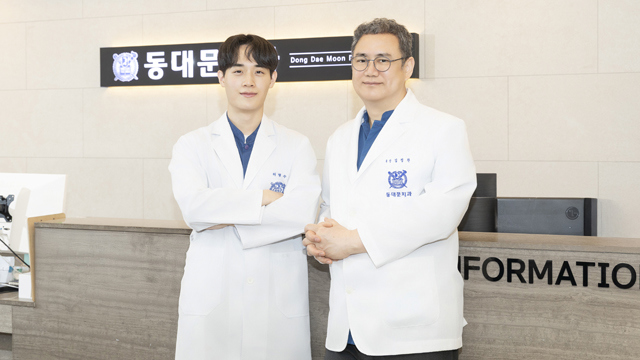
Dr. Kim Jeong-chan, Representative Director | Dr. Huh Byeong-soo, Master's Degree in Dentistry |


Dentists at Dongdaemun Dental Clinic are all Seoul National University-trained. Dr. Heo Byung-soo, Director, lists general dentistry and implant treatment among his core specializations, having trained in the Deep Implant System at both Basic and Master level after graduate study at SNU's Graduate School of Dentistry and an externship at Osaka University School of Dentistry. Representative director Dr. Kim Jeong-chan brings a periodontology background and roughly 30 years of clinical experience to the clinic's overall treatment philosophy, which the clinic describes as treating every patient "with the heart of treating one's own family."
Language Support for International Patients
The clinic advertises English translation service, plus Japanese and Chinese, describing itself as offering dental services for foreign patients "by speaking in English, Japanese, and Chinese." Translated documents are available, and the clinic states there are no language limitations — multilingual support extends across all patient services, not only an initial consultation.
Why Dongdaemun Dental Clinic
Wisdom-tooth extraction and cavity treatment are named among the clinic's top-known procedures, alongside implant repair, dental implants, and bone-graft implants.
Detailed diagnostic equipment and clinical examinations are used to identify problems and establish treatment plans across general dentistry.
The CEREC Primescan digital scanner supports precise, comfortable diagnosis.
A one-instrument-set-per-patient sterilization policy applies clinic-wide.
Dentists are all Seoul National University-trained, with roughly 30 years of practice in the Dongdaemun area and an in-house dental laboratory operating since 2003.
Over 75% of new patients are reported to arrive by referral.
English, Japanese, and Chinese translation service is available for international patients, with translated documents and no stated language limitations.
Planning Your Visit as a US or International Patient
Common concerns for US patients considering dental treatment abroad include dentist credentials, English communication, sterilization and safety, what happens if a problem arises after returning home, and cost transparency. On credentials and language, the clinic's dentists are all SNU-trained and English translation service is offered.
For travel planning: US patients generally fly into Incheon (ICN) or Gimpo (GMP), with direct flights from many US hubs taking roughly 13–15 hours; from Incheon, the clinic is reachable by AREX train plus subway to Dongdaemun Station (Lines 1 and 4), Exit 9. US passport holders can generally enter Korea visa-free for short stays via K-ETA, though current entry requirements should be confirmed before booking. An online consultation board is available before travel, and phone or KakaoTalk contact is available during clinic hours (KST) for follow-up questions after returning home. A straightforward cavity treatment or resin filling generally does not require an extended stay; patients needing multiple procedures should allow additional time and confirm the schedule with the clinic after examination.
The Bottom Line
General dentistry at the clinic centers on cavity treatment, wisdom-tooth extraction, and resin fillings, with a stated goal of preserving natural teeth.
Cavity treatment is staged by severity: direct restoration, inlay, crown, or root canal treatment.
Wisdom-tooth extraction addresses abnormally erupted or impacted third molars.
Resin fillings restore small-to-moderate cavities with a tooth-colored material in generally one visit.
Delaying treatment tends to make problems, and the eventual treatment needed, more extensive.
English, Japanese, and Chinese language support, with translated documents, is available throughout the process for international patients.
Frequently Asked Questions
Who is a good candidate for general dentistry care? Patients who need routine dental care to maintain or restore oral health — including tooth decay, wisdom-tooth problems, or minor damage suitable for a filling — can receive an examination and an individualized treatment plan.
Is cavity treatment painful? Local anesthesia is used before the cavity is removed, though the clinic's source does not specifically describe the level of discomfort during treatment itself.
Is a resin filling painful? Resin fillings are usually done under local anesthetic when needed and are generally well tolerated; very small restorations may not require anesthesia at all.
How long does a resin filling take? A straightforward filling can often be completed in one appointment; treatment time depends on the number of surfaces and teeth being treated.
What happens if I delay treating a cavity? Delaying treatment can lead to increasing symptoms and pain, and advanced decay may require root canal treatment or extraction rather than a simpler restoration.
Can these procedures be combined with other dental work? Yes. Cavity treatment methods are already selected according to severity, and general dentistry procedures can be planned alongside other treatment such as periodontal care or restorative work when clinically appropriate.
Is online consultation available before I travel? Yes — the clinic offers an online consultation board for prospective patients to discuss their situation in advance.
What if I have a concern after I return home? Patients can contact the clinic by phone at +82-2-2268-9529, or by KakaoTalk during clinic hours (KST).
Will I be able to communicate with the dentist in English? Yes. The clinic states it offers dental services for foreign patients in English, Japanese, and Chinese, with translated documents available and no stated language limitations across patient services.
Can I combine general dentistry with other treatment at the same visit? Cavity treatment, wisdom-tooth extraction, and resin fillings can be planned alongside the clinic's other services, such as periodontal treatment or scaling, when clinically appropriate — the treatment method for each procedure is selected according to its own severity rather than bundled by default.
Book a Consultation at Dongdaemun Dental Clinic
To discuss cavity treatment, wisdom-tooth extraction, or resin fillings, contact Dongdaemun Dental Clinic in Seoul. The clinic is open Monday to Friday 10:00 AM–6:00 PM KST with a lunch break from 12:00 PM to 1:00 PM, and Saturday 10:00 AM–2:00 PM KST, closed Sundays and public holidays. Enquire through the contact page or by telephone on +82-2-2268-9529.
Disclaimer
This page is for general informational purposes and does not constitute individualized medical advice. Candidacy, technique, and expected outcomes can only be determined through a consultation with a qualified dentist.
Sources & Further Reading
Related Services
Dental procedures available within our specialized departments.
Laminate (Veneers)
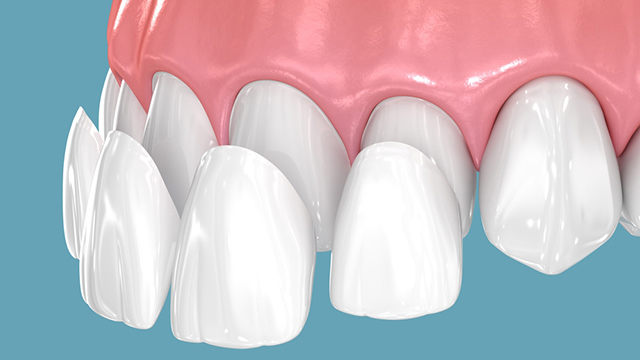
Laminate veneers are thin, custom shells — usually ceramic — bonded to the front surface of teeth to improve their color, shape, size, or minor alignment, mainly in the visible smile zone.
Learn More

Bone-Regenerating Implants
Bone-regenerating implants involve a bone transplant procedure that adds bone material to areas with insufficient bone, helping create a suitable foundation for dental implant placement.
Learn More

Bone Graft Implants
Bone graft implant treatment addresses one of the most common obstacles to getting a dental implant: not having enough bone to hold one securely.
Learn More