Trusted Dental Care in Seoul Since 1997 · SNU Dental Alumni · Multilingual Concierge

Specialty Overview
Periodontics & Gum Care
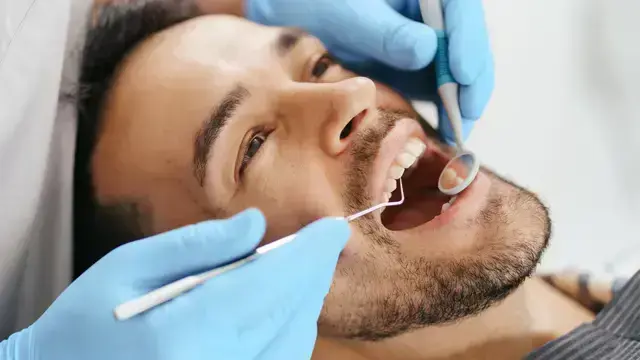
Periodontal treatment addresses swelling, pain, and bleeding caused by inflammation in the tissues around the teeth, driven by tartar and plaque buildup.
Schedule a ConsultationPeriodontics & Gum Care in Seoul
Medically reviewed by Dr. Kim Jeong-chan, Representative Director and Head Dentist, Dongdaemun Dental Clinic, Seoul
Periodontal treatment addresses swelling, pain, and bleeding caused by inflammation in the tissues around the teeth, driven by tartar and plaque buildup. Gum disease affects more than 80% of adults, and delaying treatment can lead to erosion of the gum bone, weakened teeth, and loosening. At Dongdaemun Dental Clinic in Seoul, gum care is directed by Dr. Kim Jeong-chan, who trained in periodontics at Seoul National University Graduate School and served as a Clinical Assistant Professor of Periodontics at SNU Dental Hospital.
Why Gum Health Matters
Gum disease begins as an infection of the tissues that hold your teeth in place. Because those tissues are the foundation the teeth sit in, the consequences of leaving it untreated are structural rather than cosmetic. The clinic describes the progression plainly: inflammation from tartar buildup produces swelling, pain, and bleeding, and if treatment is delayed, the gum bone erodes, the teeth weaken, and looseness follows.
This is also why gum health is inseparable from the rest of dentistry. An implant, a crown, or a denture all depend on the tissue around them. Treating the gums first is not a preliminary step to the "real" work — for a great many patients it is the work.
Who Directs Gum Care at Dongdaemun Dental Clinic
|
|
Dr. Kim Jeong-chan, Representative Director | Dr. Huh Byeong-soo, Master's Degree in Dentistry |
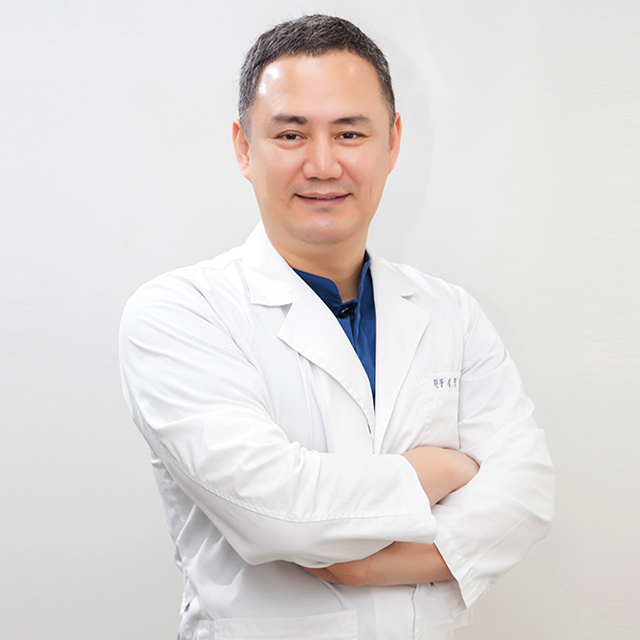

Dr. Kim Jeong-chan is Representative Director and Head Dentist. His periodontal credentials are specific:
Graduated from Seoul National University College of Dentistry.
Completed periodontics training at Seoul National University Graduate School.
Served as a Clinical Assistant Professor of Periodontics at Seoul National University Dental Hospital.
Lists periodontology among his core specializations, alongside the management of peri-implantitis and implant complications.
30 years of clinical experience, with more than 21,588 implant procedures and 1,548 implant revision procedures performed.
That last point matters more for gum care than it first appears. Peri-implantitis — inflammation and bone loss around an implant — is a periodontal problem attached to a prosthetic one, and it is a stated area of his expertise. He is the author of Peri-implantitis Not Taught in Textbooks, later published in an English edition.
Dongdaemun Dental Clinic's dentists are all Seoul National University–trained. Dr. Heo Byung-soo, Director, also practices at the clinic, holding a Master of Science in Dentistry from SNU.
What Raises Your Risk
Treatment planning starts with understanding why the disease developed. The American Academy of Periodontology identifies a range of contributing risk factors, and it advises discussing them with your periodontist so the disease can be classified correctly and the right treatment plan established:
Age — studies indicate older people have the highest rates of periodontal disease, and CDC data indicates over 70% of Americans aged 65 and older have some form of gum disease.
Smoking and tobacco use — shown to be among the most significant risk factors in both development and progression.
Genetics — some people are genetically susceptible and may develop it despite diligent home care.
Stress — research demonstrates stress can make it harder for the body to fight infection, including periodontal infections.
Medications — oral contraceptives, anti-depressants, and certain heart medicines can affect oral health.
Clenching or grinding — puts excess force on the supporting tissues and can accelerate their destruction.
Other systemic diseases — studies have shown connections between periodontal disease and cardiovascular disease, diabetes, and rheumatoid arthritis.
Poor nutrition or obesity — a diet low in key nutrients compromises immune response, and research indicates obesity may increase risk.
Gum Care Treatments at the Clinic
Dongdaemun Dental Clinic provides three distinct treatments under periodontics and gum care.
Treatment | Addresses | Typical use |
|---|---|---|
Periodontal treatment | Inflammation, swelling, pain, bleeding from tartar buildup | Active gum disease |
Dental scaling & teeth cleaning | Hardened tartar and plaque on the tooth surface | Prevention and early-stage gum disease |
Gum contouring & reshaping | Excess or uneven gum tissue | Gummy smile, uneven gum line |
Periodontal Treatment
Who it suits. The clinic identifies suitable candidates as patients who experience periodic gum swelling; patients with loose or painful teeth; patients with increased sensitivity to hot, cold, or touch; and patients who notice gum sensitivity or bleeding while brushing.
Why patients seek it. To relieve swollen, painful, or bleeding gums, prevent bad breath, maintain healthy gums, and help prevent tooth damage caused by gum disease.
The treatment sequence the clinic follows:
Registration and consultation, including a pre-treatment questionnaire and a one-on-one consultation to evaluate dental health.
Detailed examination using precision diagnostic equipment and clinical examinations, to identify the problem accurately and establish a treatment plan.
Treatment to remove the tartar and plaque that cause gum disease, and to treat the inflamed gum tissues.
Follow-up care through periodic visits to continuously manage the treated area.
What it achieves. The clinic states the treatment helps restore healthy gums, reduce swelling, pain and bleeding, prevent bad breath, and help prevent tooth damage associated with gum disease.
Dental Scaling & Teeth Cleaning
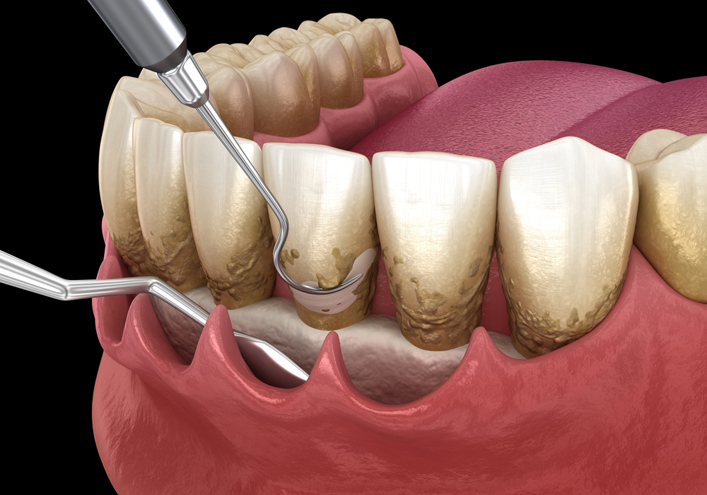
Scaling removes hardened tartar and plaque — the primary causes of gum disease — leaving the tooth surface clean and smooth. The clinic performs it both to prevent oral health problems and to treat early-stage gum disease, and notes it also helps prevent bad breath.
Suitable for patients who have tartar or staining on their teeth, mild gum disease, bleeding gums caused by gum disease, or bad breath that is worse than usual.
The sequence mirrors periodontal treatment: registration and consultation with a pre-treatment questionnaire, detailed examination using precision diagnostic equipment and clinical examinations, treatment to remove plaque and tartar while cleaning the tooth surface, then periodic follow-up visits to manage the treated area.
What it achieves. Removal of tartar and plaque, a cleaned and smoothed tooth surface, help preventing gum disease, support for treating early-stage gum disease, and reduced bad breath.
Gum Contouring & Reshaping Surgery
Gum contouring reshapes excess or uneven gum tissue around the teeth. It is performed to improve the symmetry of the gum line, expose more natural tooth structure, and create a balanced smile.
Who it suits. Patients with excessive or uneven gum tissue who have healthy gums and realistic aesthetic expectations. Patients commonly seek it for a "gummy smile," an uneven gum line, or teeth that look short because of excess gum tissue.
Who it does not suit. Patients with untreated gum disease, active oral infection, or poor healing conditions. It is also unsuitable where the appearance is caused primarily by bone, tooth position, or lip movement rather than the gum tissue itself — in those cases contouring alone will not solve the problem.
Examination assesses gum health, tooth proportions, the gum-to-tooth relationship, the smile line, and the underlying causes of excess gum display before any treatment planning.
The procedure. The area is numbed, the planned gum line is marked, excess tissue is carefully removed or reshaped, the gum margins are refined, and post-operative instructions are provided. Local anesthesia is commonly used, and mild soreness afterward can generally be managed with appropriate pain medication and aftercare. The procedure usually takes one session lasting between forty-five minutes and two hours, followed by a single follow-up visit to evaluate tissue healing.
Risks. Possible effects include temporary pain, swelling, bleeding, sensitivity, infection, uneven gum margins, gum recession, or removal of more tissue than desired.
Recovery and results. Initial discomfort and swelling generally improve over several days, while soft-tissue healing and the final gum-line appearance take longer. The gum line becomes clearer as healing progresses, and properly treated tissue can provide long-lasting results — though gum position can change with gum disease, inflammation, aging, or other factors.
Before contouring, a dental examination and gum-health assessment are normally required, and existing gum inflammation or infection should be treated before cosmetic reshaping. That ordering is deliberate: reshaping tissue that is actively inflamed does not produce a stable result.
Gum Health and Dental Implants
For patients who have implants, or who are considering them, gum care is not a separate concern. The American Academy of Periodontology notes that dental implants are intimately connected with both the soft tissues of the gums and the underlying bone, and that an ideal implant candidate has healthy gum tissue free of periodontal disease. It also notes that implants require the same conscientious brushing, flossing, and regular professional visits as natural teeth in order to prevent peri-implant disease — the inflammatory conditions that affect the tissue and bone around an implant.
This is where the clinic's two areas of focus meet. Dr. Kim's core specializations span both periodontology and the management of peri-implantitis and implant complications, and his book on peri-implantitis addresses exactly that overlap. For a patient with an existing implant and inflamed gums, the two problems are assessed together rather than referred between clinicians.
The practical implication for patients planning implant treatment is sequencing: gum disease is generally treated and stabilized before restorative work begins, because the tissue being built on has to be healthy first.
Practical Information for International Patients
The clinic offers English, Japanese, and Chinese translation service, and its dentists are all Seoul National University–trained. Enquiries can be made through the clinic's online contact channels or by telephone.
Two features of the treatment pathway are worth noting for anyone travelling. First, every treatment here includes scheduled follow-up visits as part of the protocol rather than as an optional extra, so it is worth discussing timing against your travel dates at the consultation stage. Second, gum contouring is designed as a single session with one follow-up, which makes it more straightforward to fit into a limited stay than treatments requiring several appointments. Periodontal treatment and scaling, by contrast, are framed around continuous management over periodic visits.
Technology and Facilities
The clinic uses the CEREC Primescan 3D intraoral scanner from Dentsply Sirona for digital scanning, and operates its own dental laboratory, in service since 2003. For gum contouring, technique varies depending on whether a laser or traditional instrument approach is chosen, based on individual soft-tissue thickness and patient needs.
Safety and Clinic Standards

Gum care is directed by a dentist with formal periodontics training at SNU Graduate School and teaching experience at SNU Dental Hospital.
Every treatment pathway begins with a pre-treatment questionnaire, a one-on-one consultation, and examination using precision diagnostic equipment before any treatment is performed.
Follow-up is built into each treatment as periodic visits to continuously manage the treated area, rather than being left to the patient to request.
The clinic reports that over 75% of new patients arrive by referral.
The clinic states it treats every patient "with the heart of treating one's own family," emphasizing systematic treatment planning, correct procedures, and careful aftercare.
The Bottom Line
Gum disease affects more than 80% of adults, and untreated it erodes gum bone and loosens teeth.
Dongdaemun Dental Clinic offers periodontal treatment, scaling and cleaning, and gum contouring under one periodontics-trained director.
Dr. Kim Jeong-chan trained in periodontics at SNU Graduate School and taught periodontics at SNU Dental Hospital.
Every pathway starts with questionnaire, one-on-one consultation, and precision diagnostic examination before treatment.
Gum contouring is one session of roughly 45 minutes to 2 hours, with one follow-up visit.
Frequently Asked Questions
How common is gum disease? The clinic notes it affects more than 80% of adults. The AAP adds that CDC data indicates over 70% of Americans aged 65 and older have some form of gum disease, with older people showing the highest rates.
What happens if I delay treatment? The clinic states that delaying treatment can lead to erosion of the gum bone, weakened teeth, and tooth looseness. Because the gums and bone are the foundation the teeth sit in, the damage is structural rather than cosmetic.
What are the signs I should come in? Periodic gum swelling, loose or painful teeth, increased sensitivity to hot, cold or touch, and gum sensitivity or bleeding while brushing are all listed by the clinic as reasons to be assessed.
What raises my risk of gum disease? The AAP identifies age, smoking and tobacco use, genetics, stress, certain medications, clenching or grinding, systemic diseases including cardiovascular disease, diabetes and rheumatoid arthritis, and poor nutrition or obesity. It advises discussing these with your periodontist so the disease is classified correctly.
What is the difference between scaling and periodontal treatment? Scaling removes hardened tartar and plaque from the tooth surface and is used for prevention and early-stage gum disease. Periodontal treatment additionally treats inflamed gum tissue where inflammation has already taken hold. Both follow the same consultation and examination sequence at this clinic.
Can gum contouring fix a gummy smile? It can when the excess gum display is caused by the gum tissue itself. Where the appearance is driven primarily by bone, tooth position, or lip movement, the clinic notes that contouring alone may not be suitable — which is why the examination assesses tooth proportions, the gum-to-tooth relationship, and the smile line before planning.
How long does gum contouring take? Usually one session of between forty-five minutes and two hours, followed by a single follow-up visit to evaluate tissue healing. Local anesthesia is commonly used and mild soreness afterward is generally manageable.
Who will treat me? Dr. Kim Jeong-chan directs gum care. He trained in periodontics at SNU Graduate School and served as a Clinical Assistant Professor of Periodontics at SNU Dental Hospital. Dr. Heo Byung-soo, Director, also practices at the clinic.
Book a Consultation at Dongdaemun Dental Clinic
To have swollen, bleeding, or painful gums assessed, or to discuss gum contouring, contact Dongdaemun Dental Clinic in Seoul. The clinic is open Monday to Friday 10:00 AM–6:00 PM KST with a lunch break from 12:00 PM to 1:00 PM, and Saturday 10:00 AM–2:00 PM KST, closed Sundays and public holidays. Enquire through the contact page or by telephone on +82-2-2268-9529. English, Japanese, and Chinese translation service is offered.
Disclaimer
This page is for general informational purposes and does not constitute individualized medical advice. Candidacy, technique, and expected outcomes can only be determined through a consultation with a qualified dentist.
Sources & Further Reading
Related Services
Dental procedures available within our specialized departments.
Laminate (Veneers)
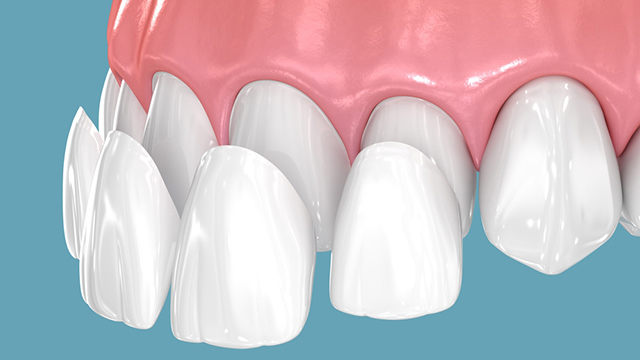
Laminate veneers are thin, custom shells — usually ceramic — bonded to the front surface of teeth to improve their color, shape, size, or minor alignment, mainly in the visible smile zone.
Learn More

Bone-Regenerating Implants
Bone-regenerating implants involve a bone transplant procedure that adds bone material to areas with insufficient bone, helping create a suitable foundation for dental implant placement.
Learn More
Bone Graft Implants
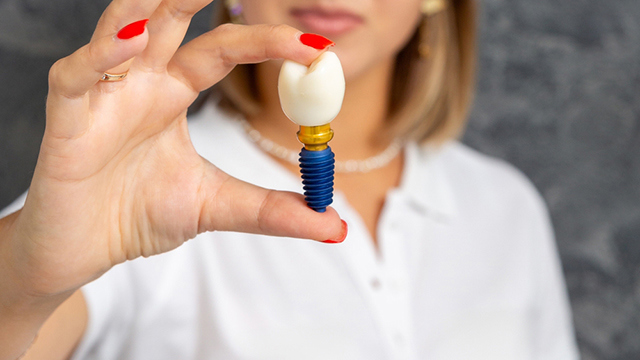
Bone graft implant treatment addresses one of the most common obstacles to getting a dental implant: not having enough bone to hold one securely.
Learn More